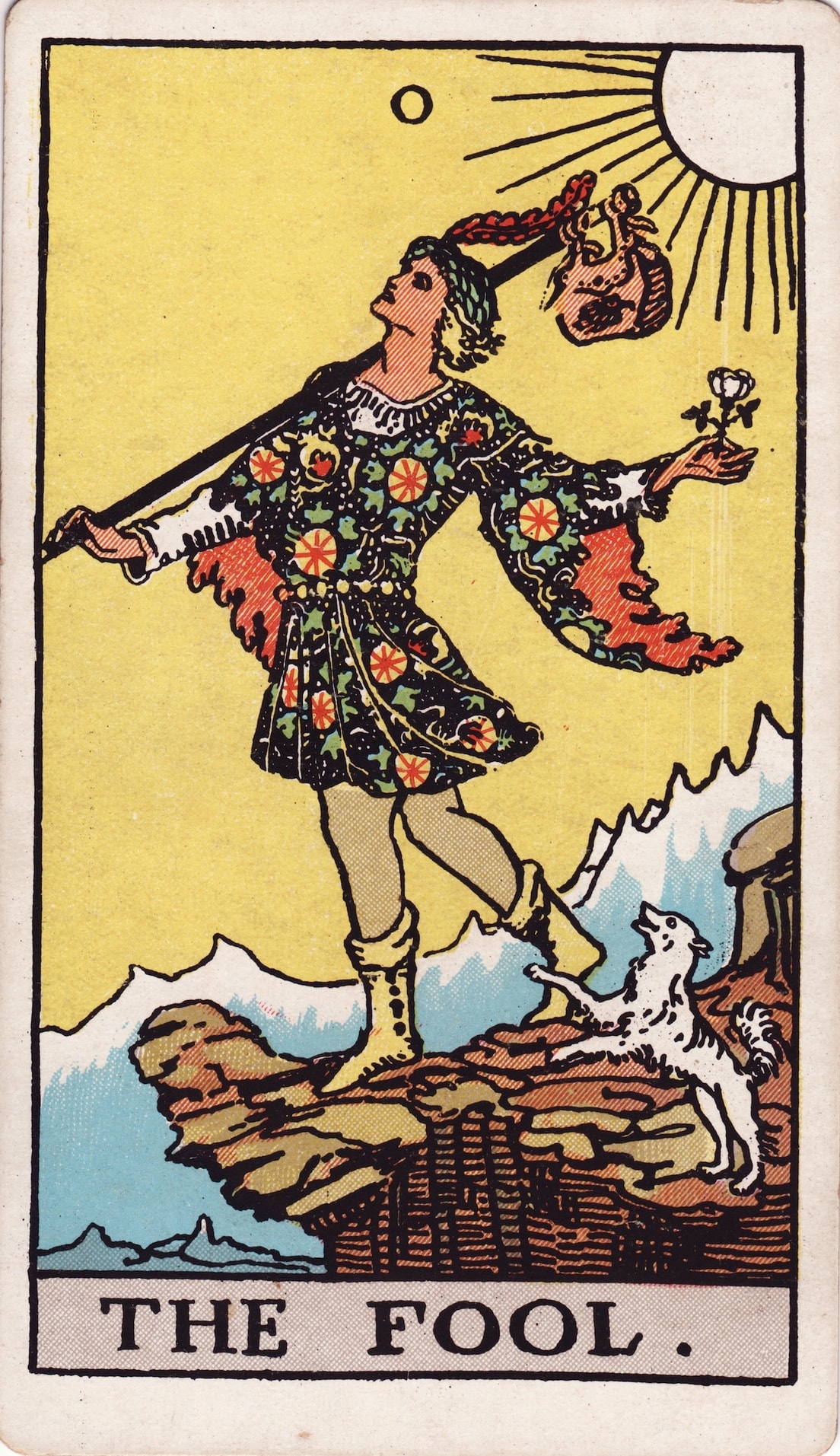
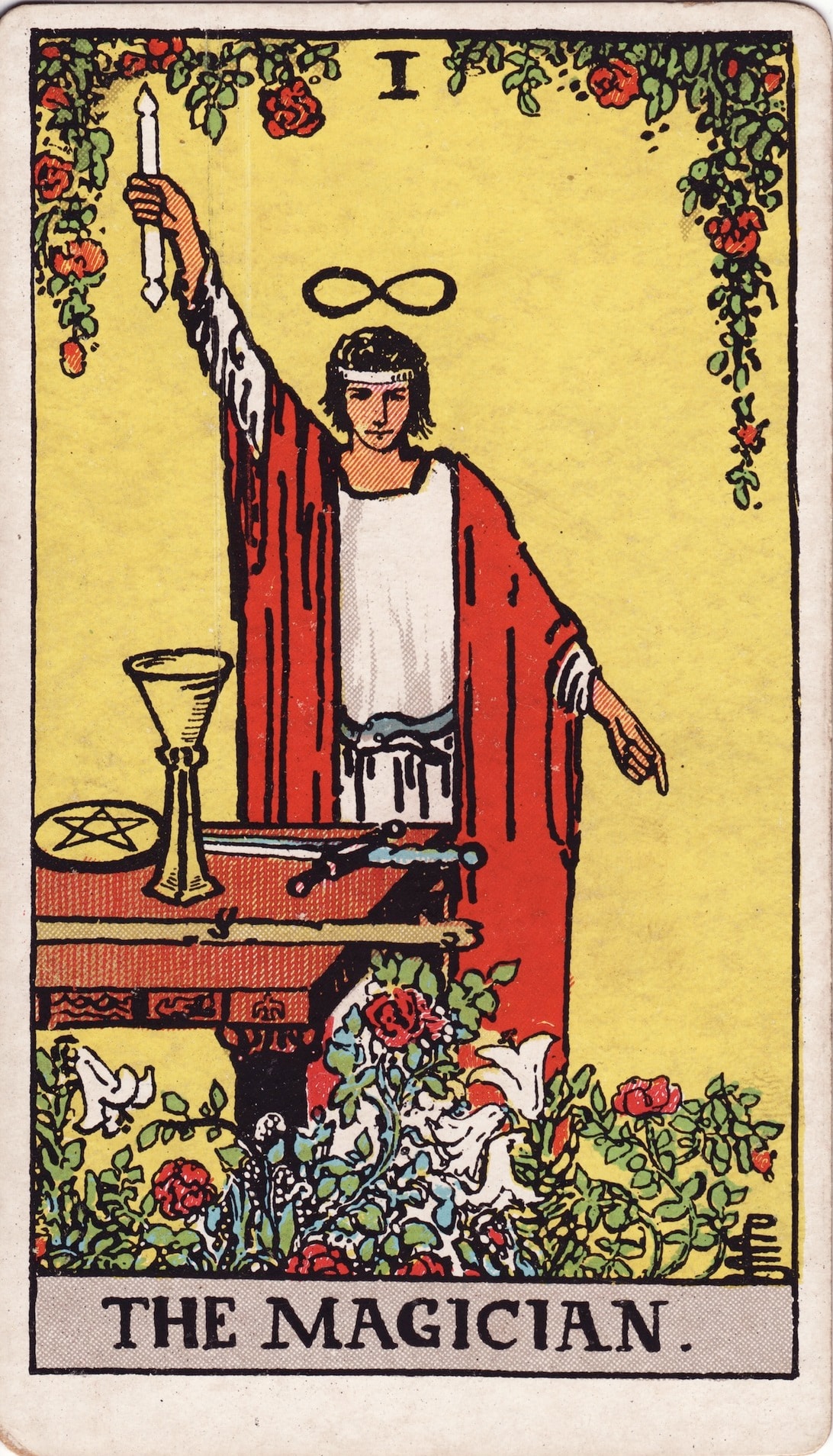
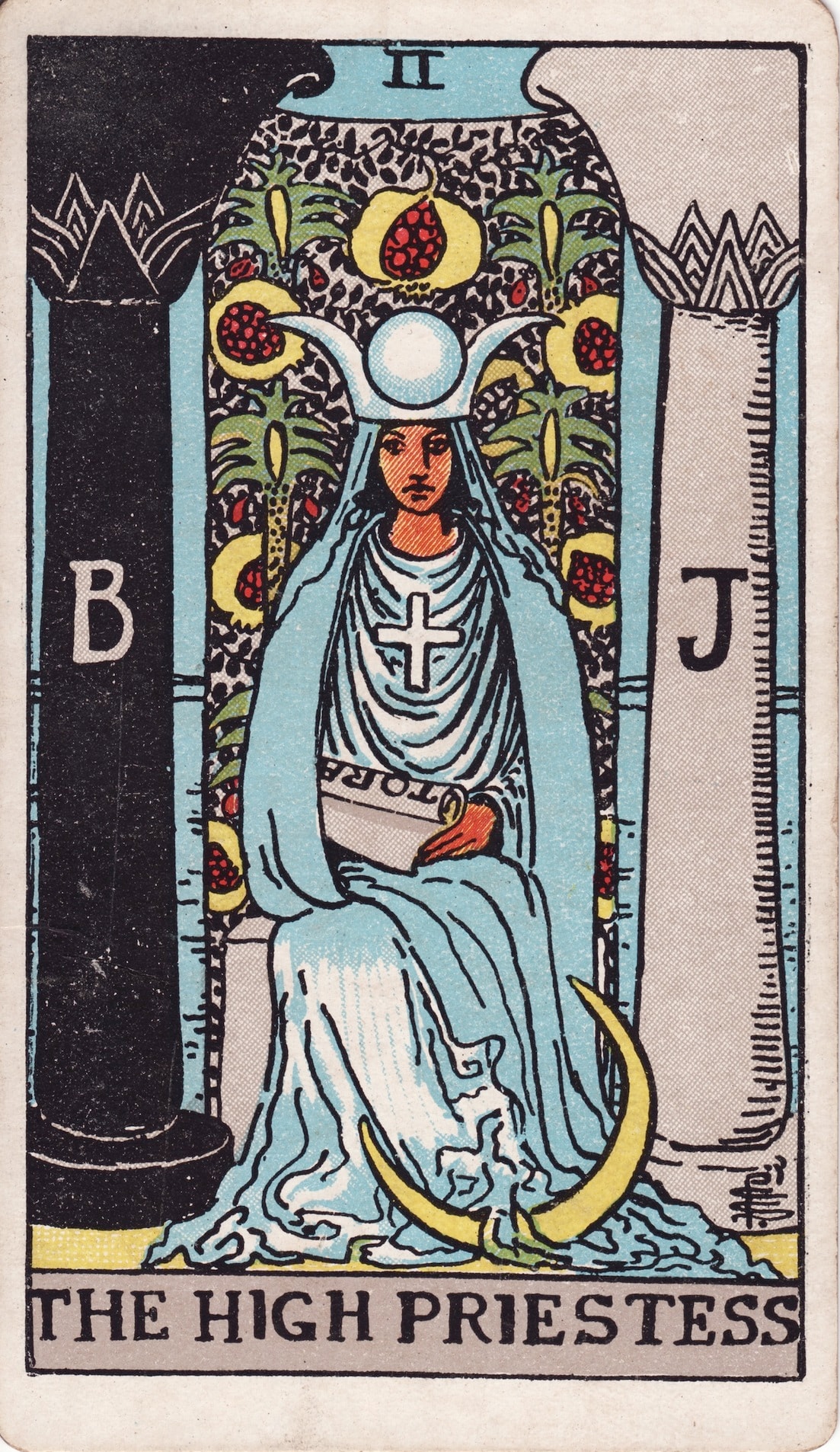
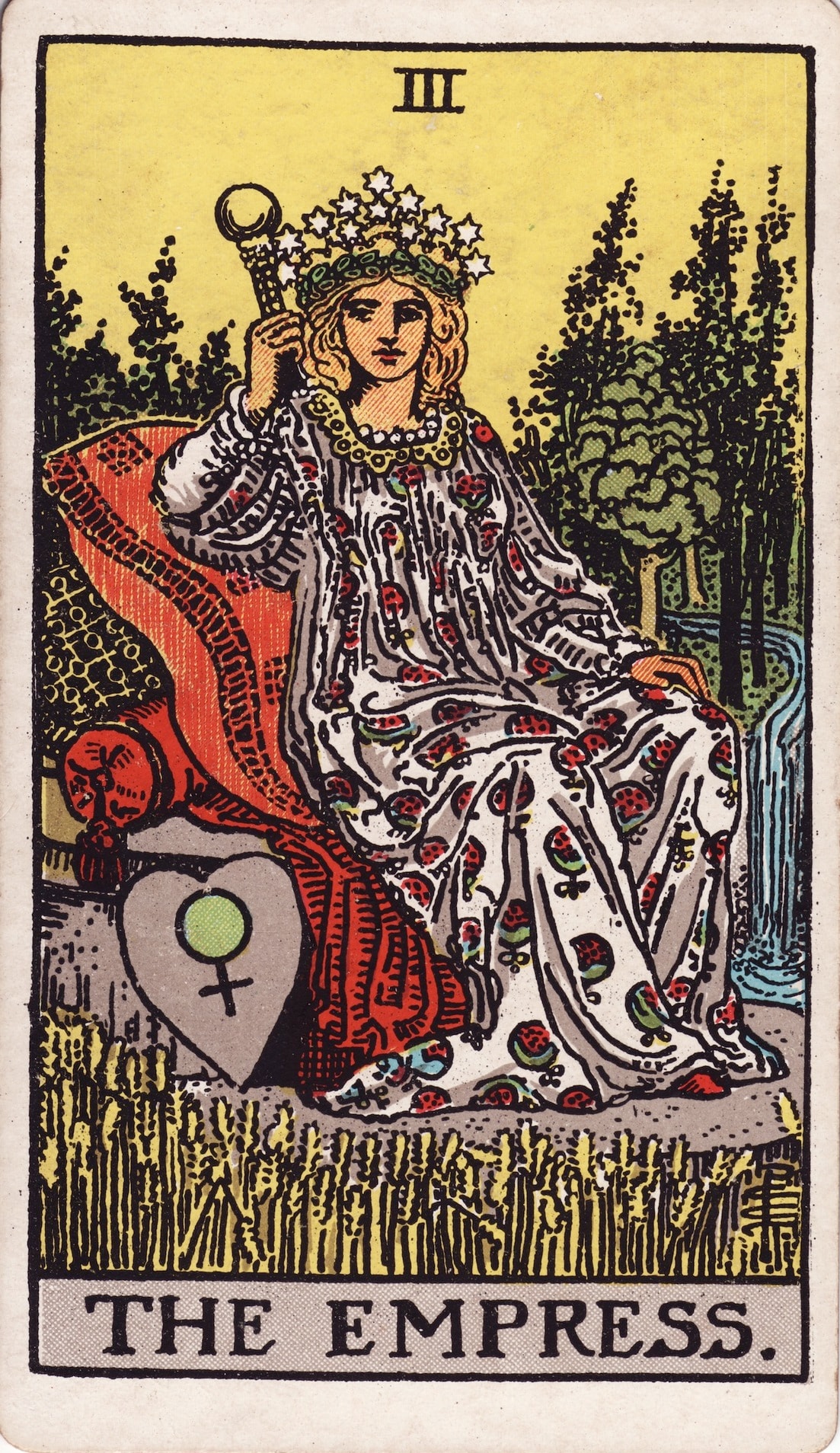
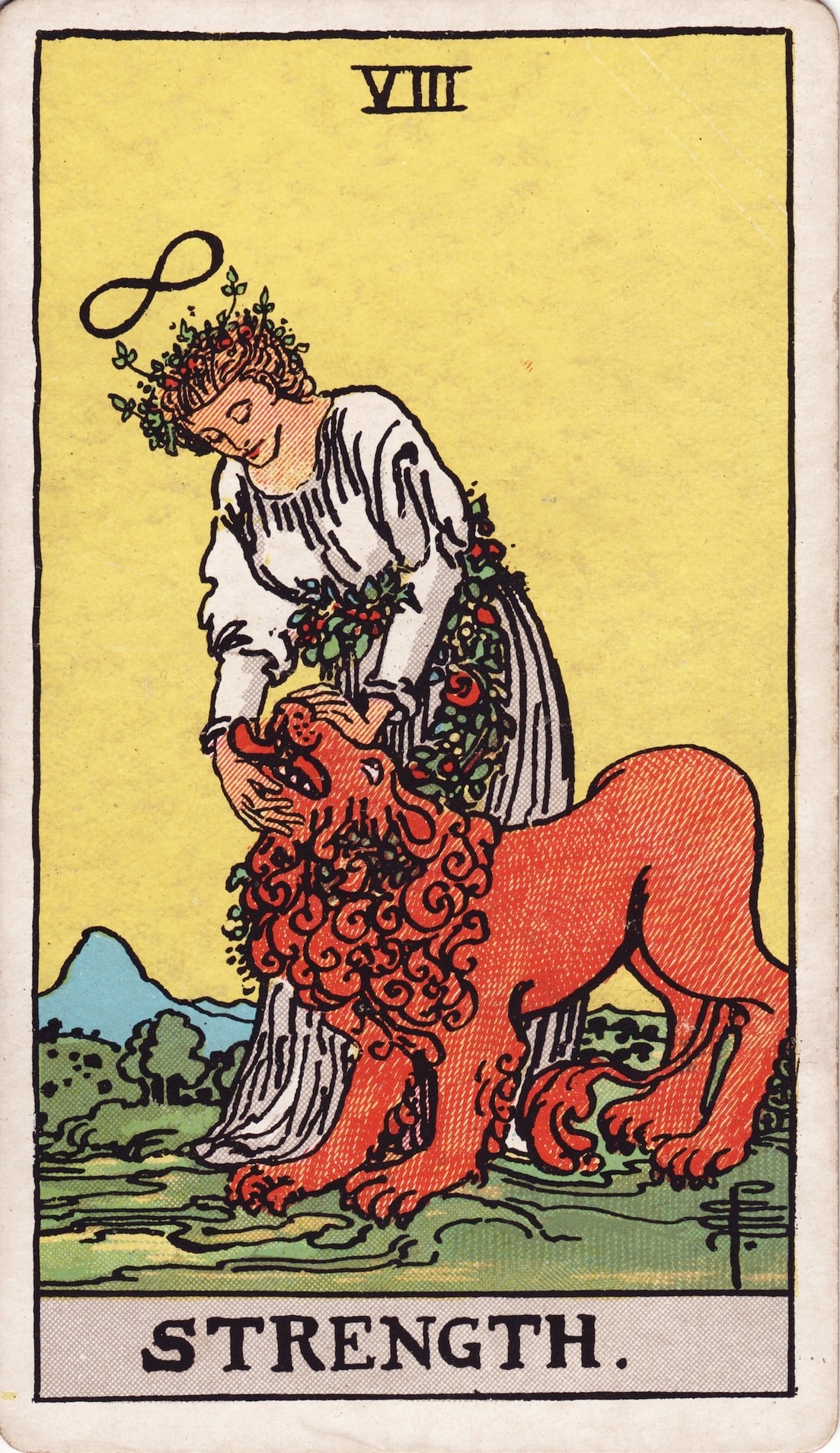
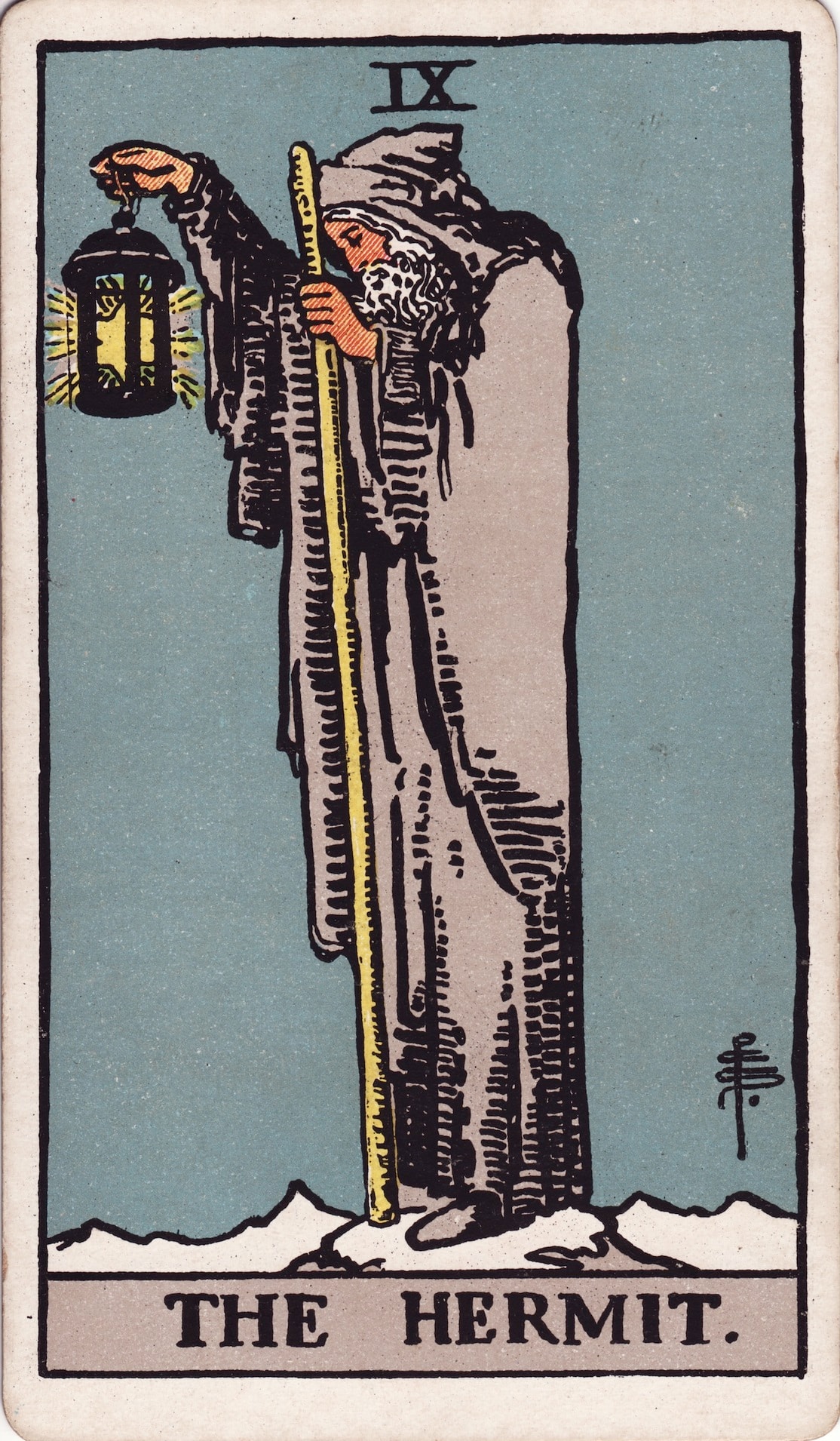
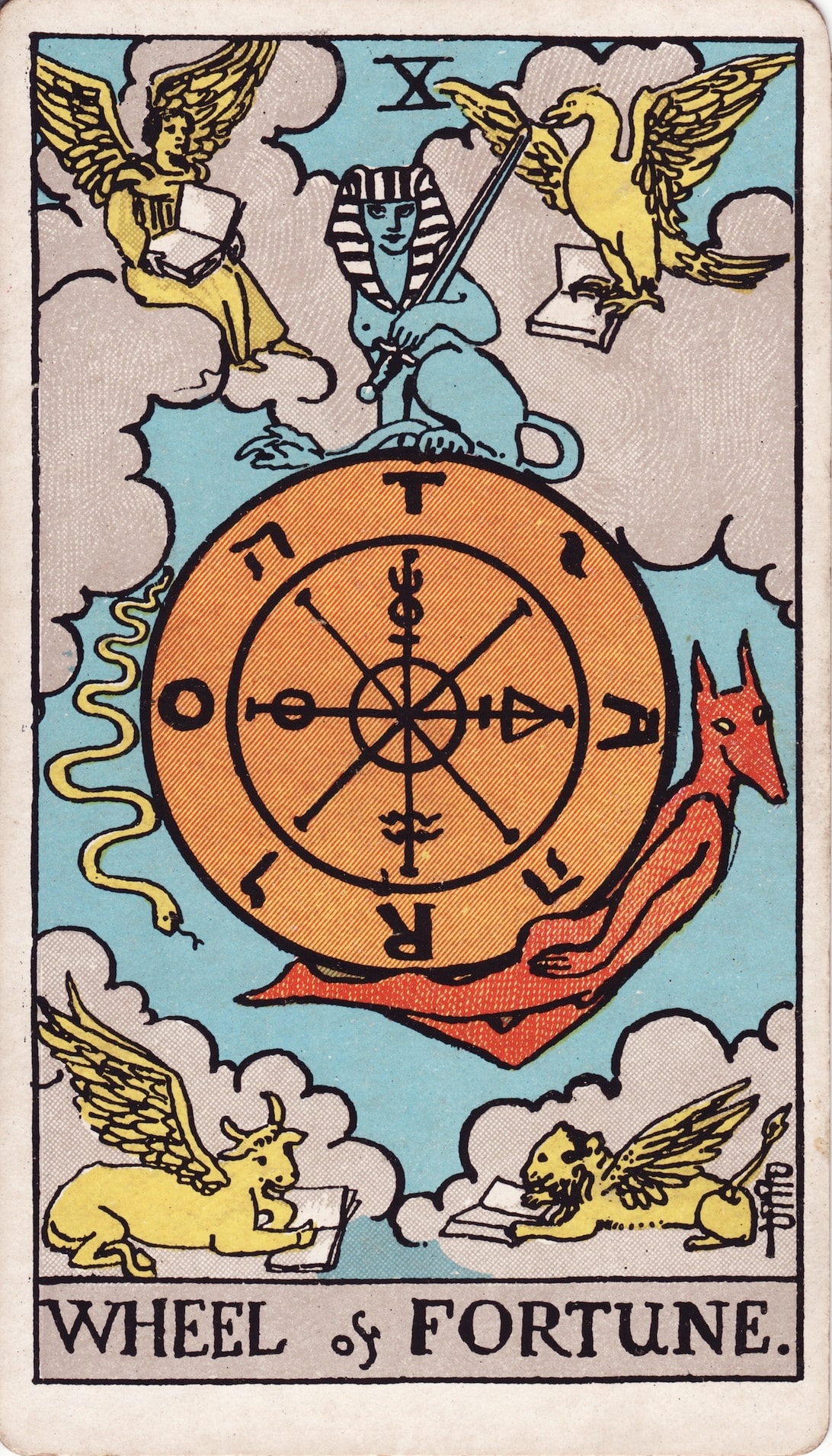
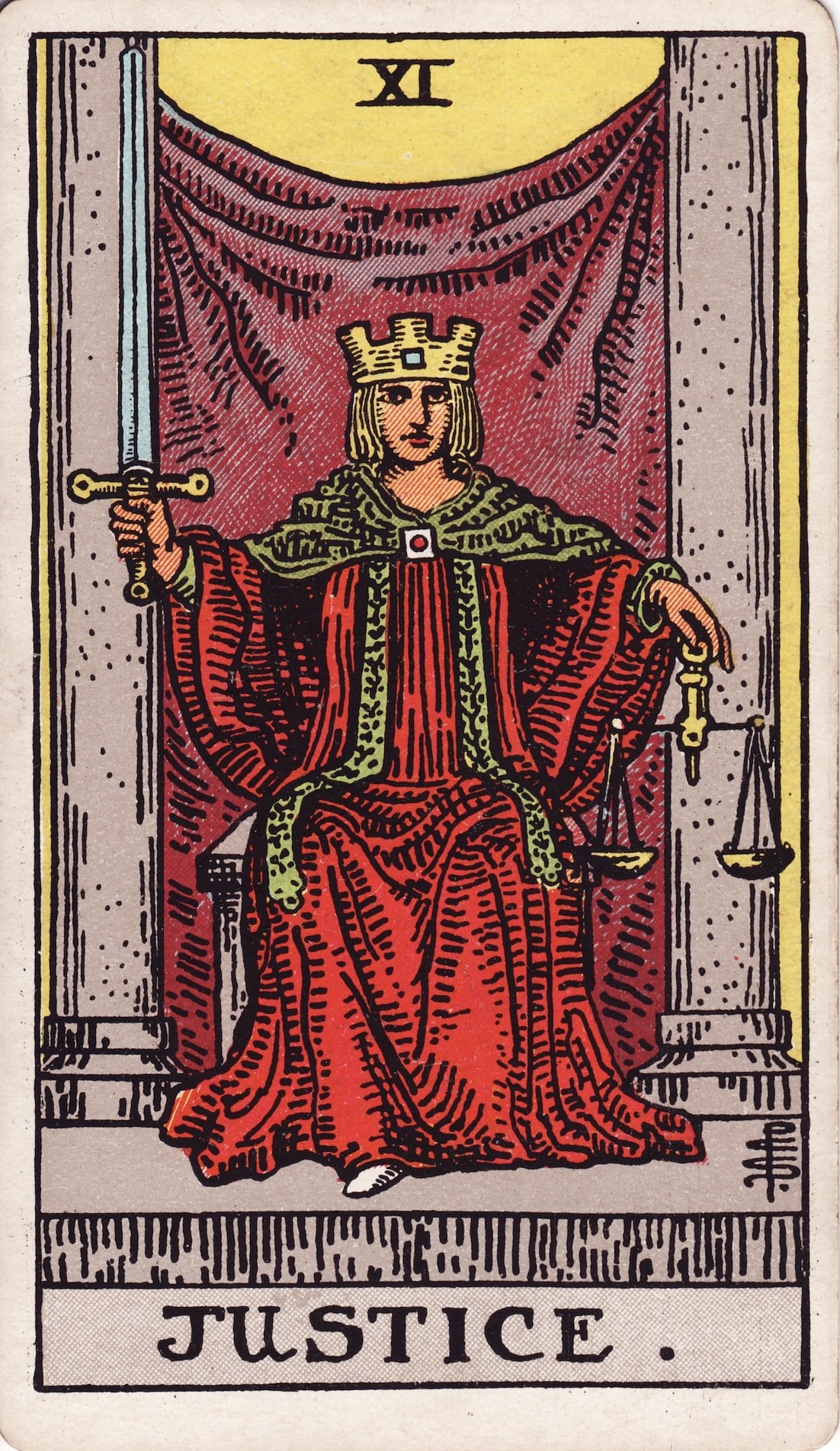
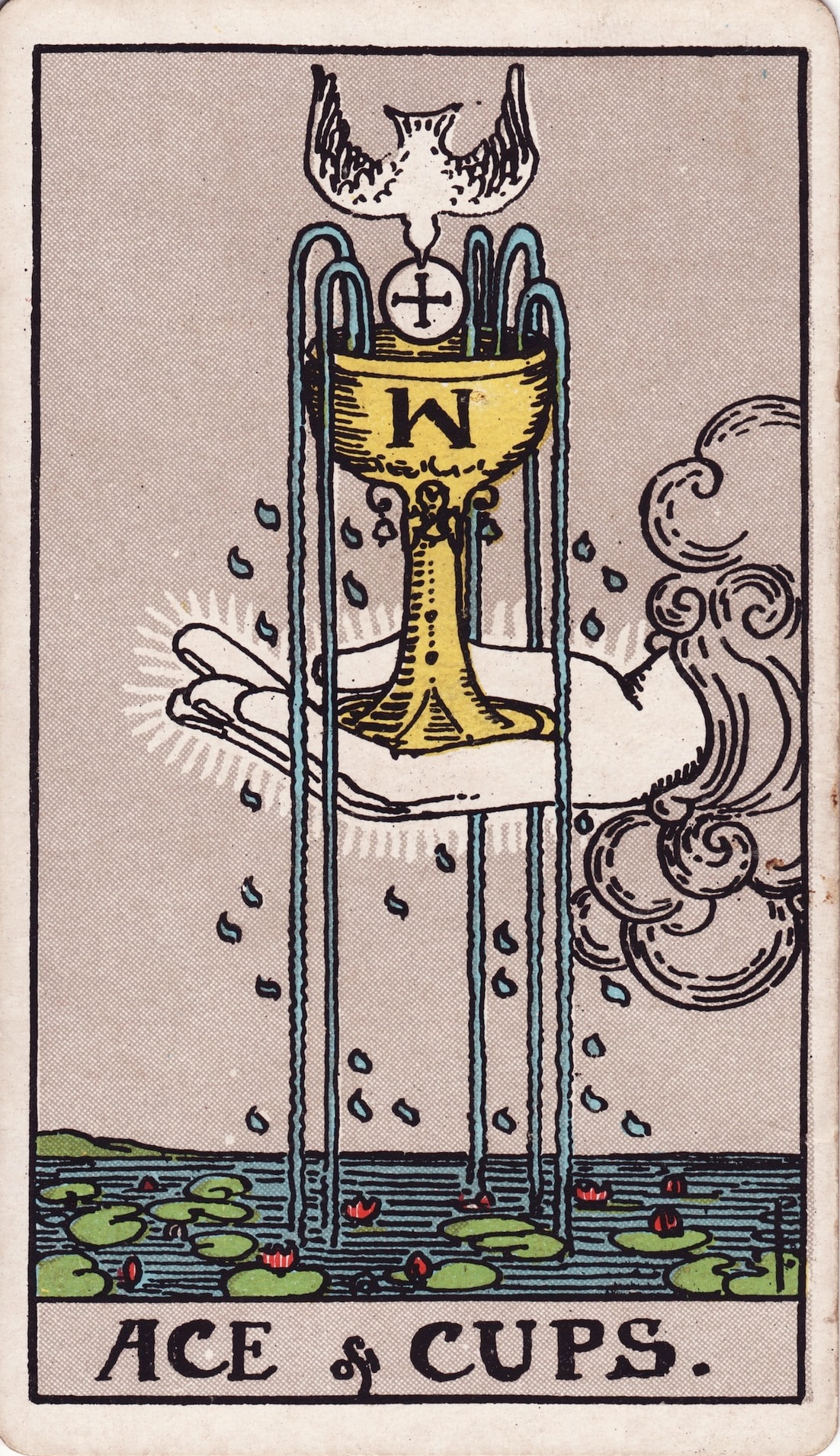
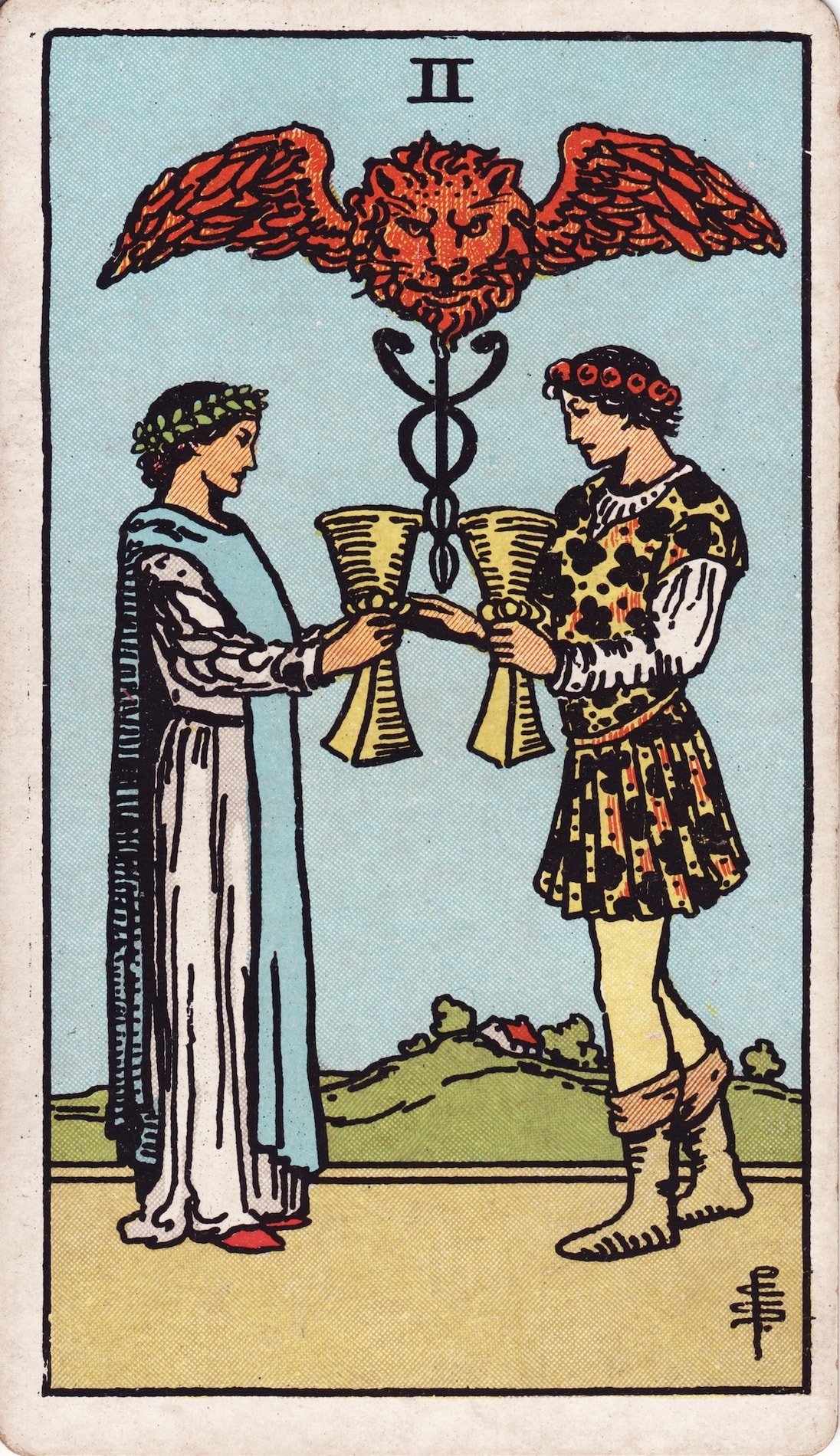
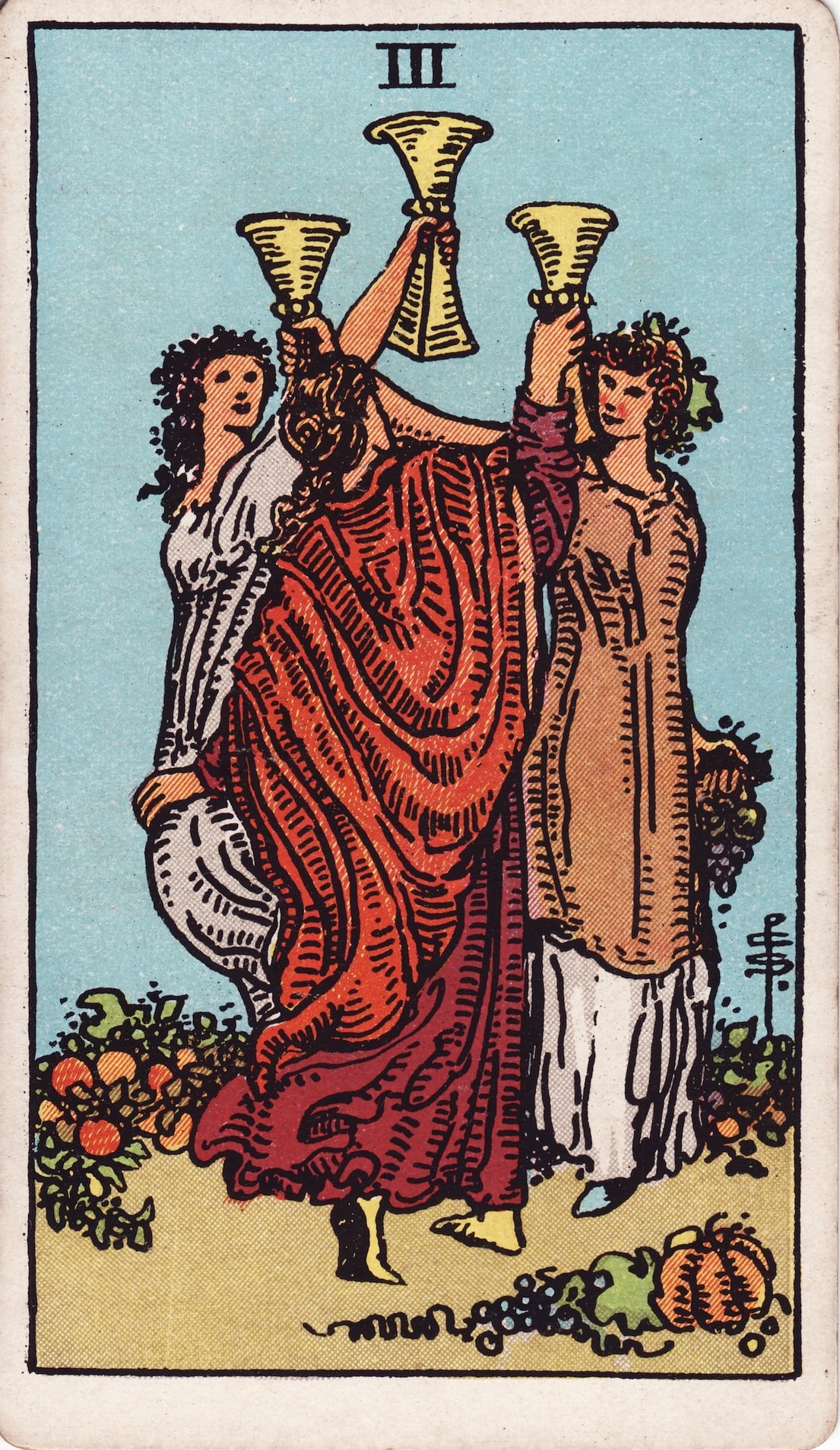
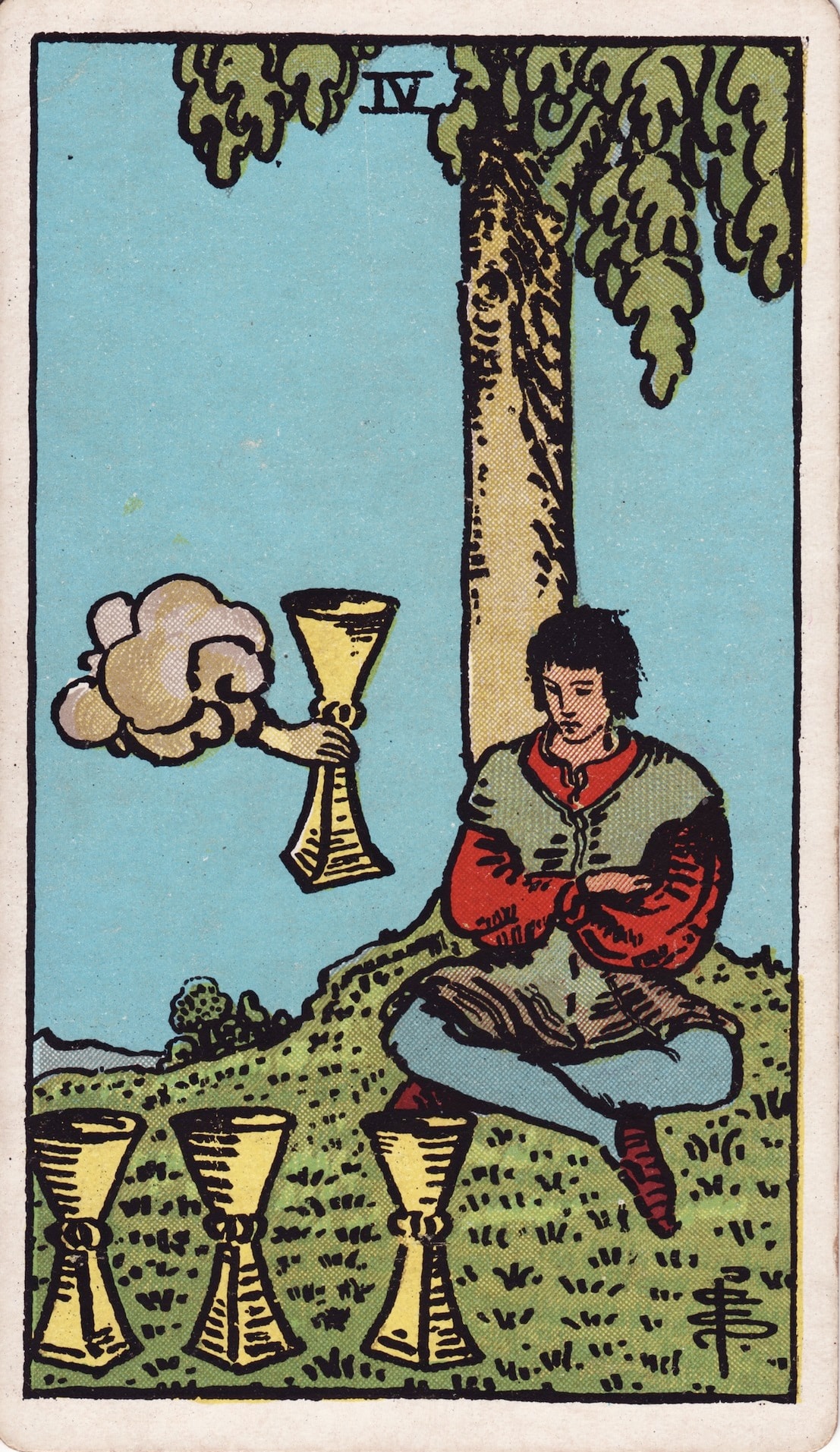
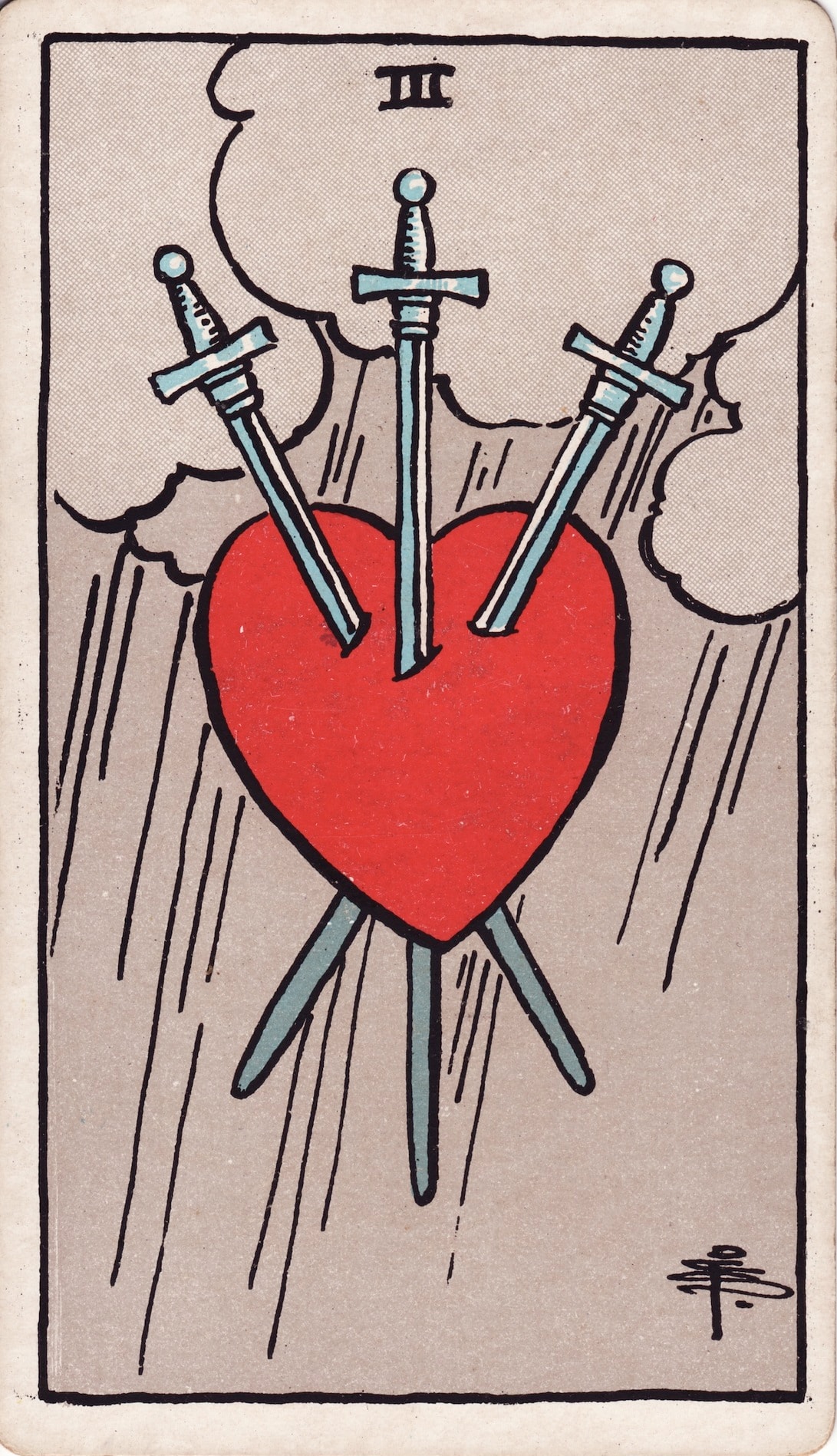
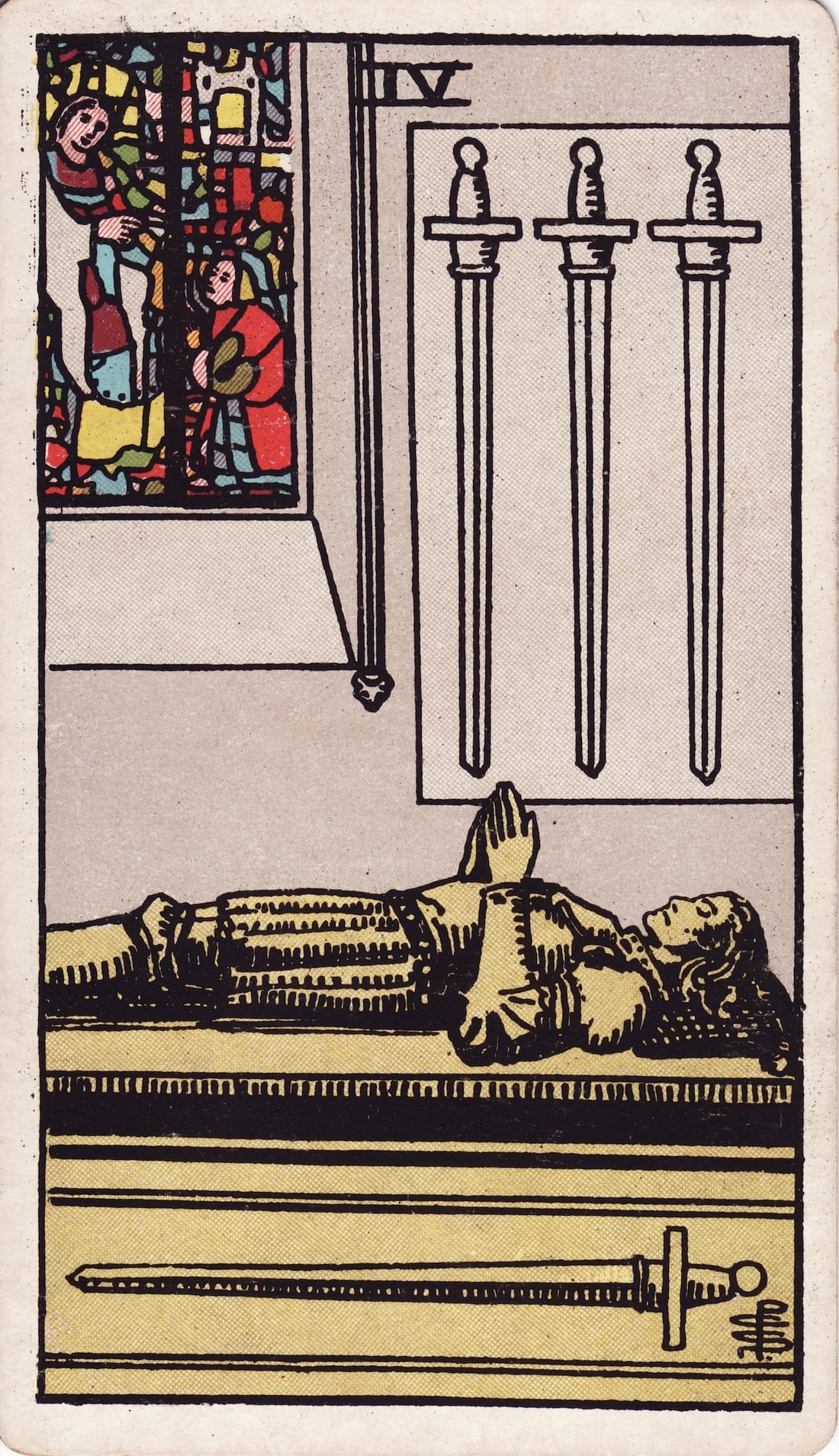
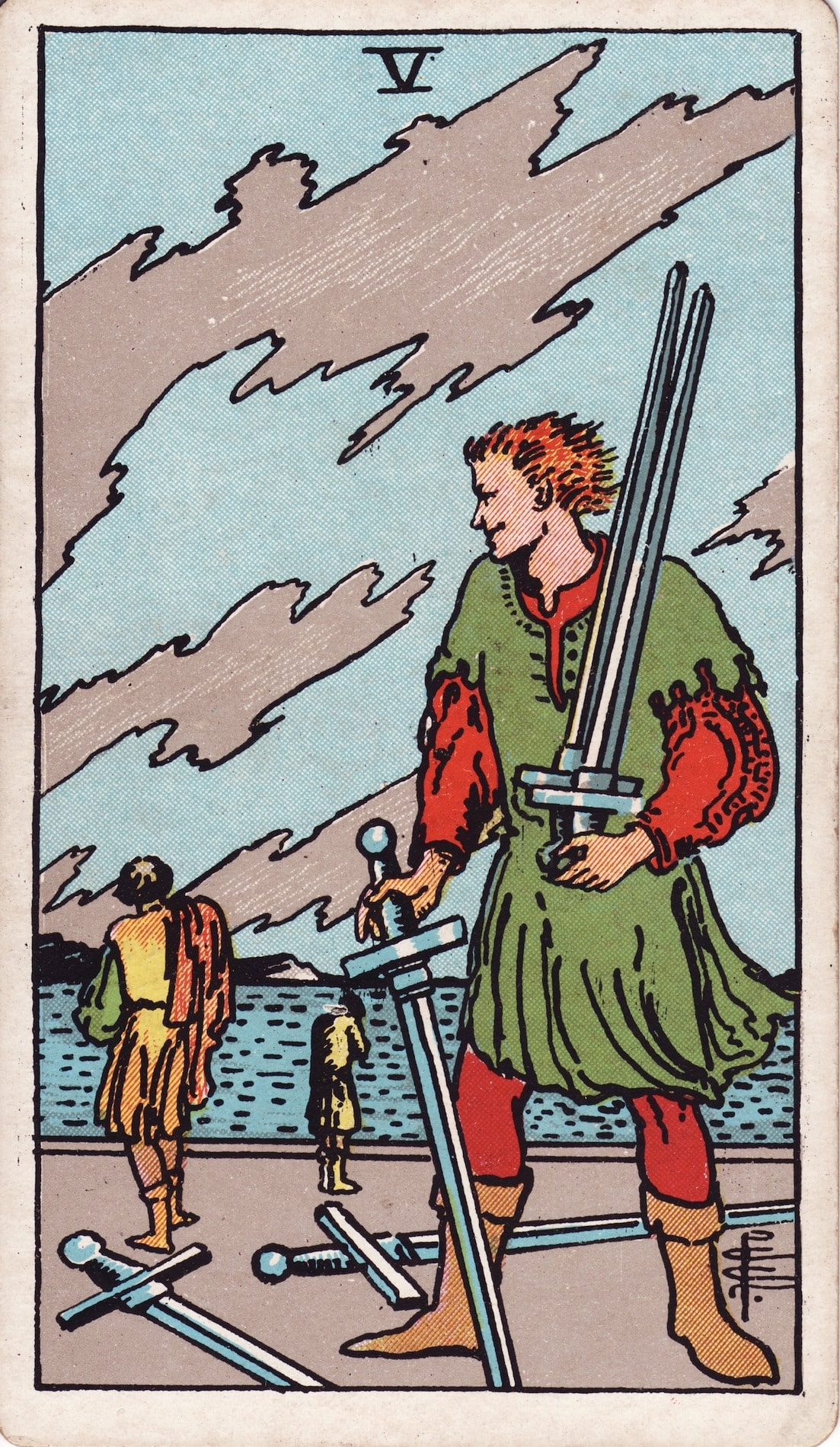
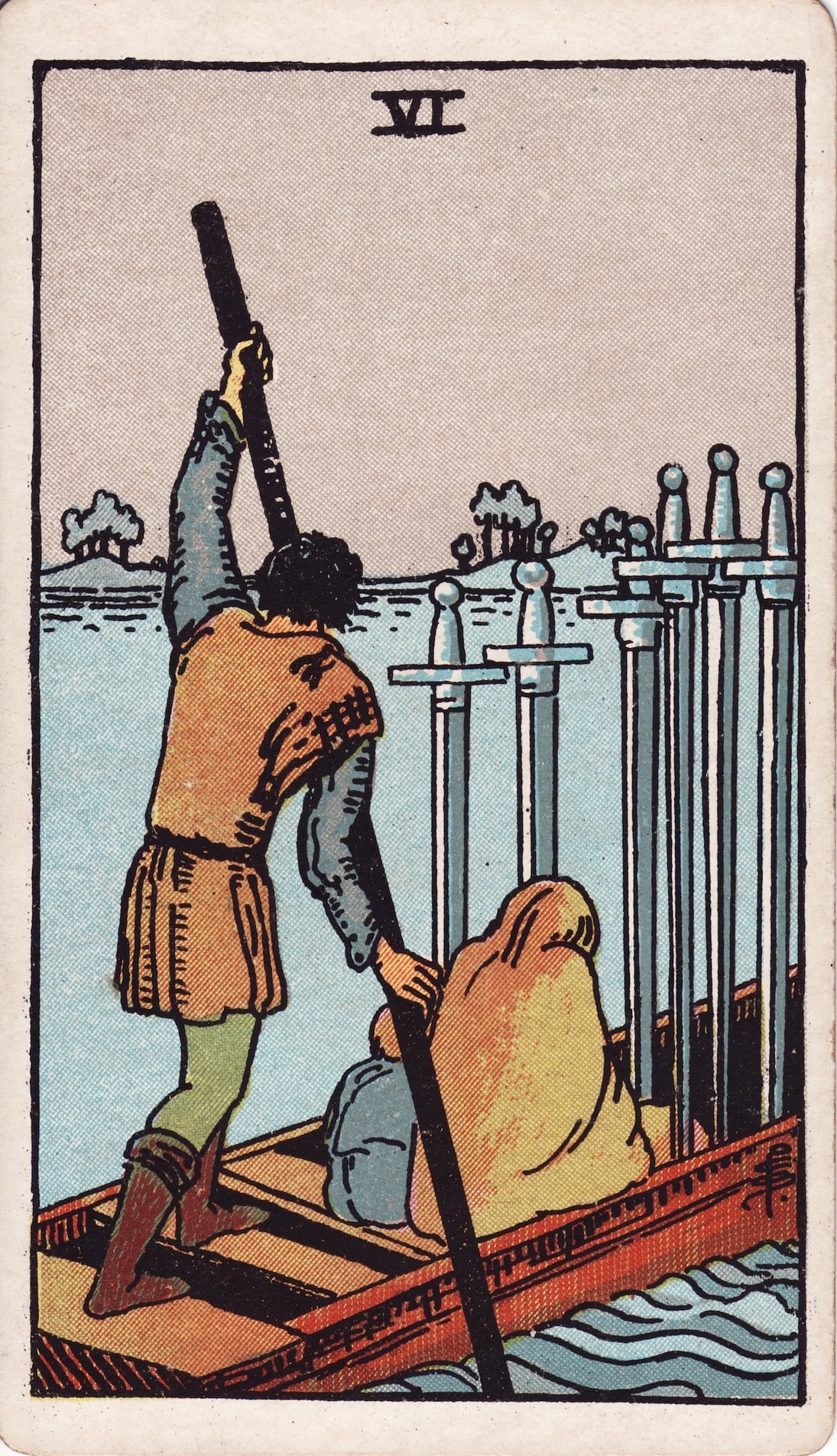
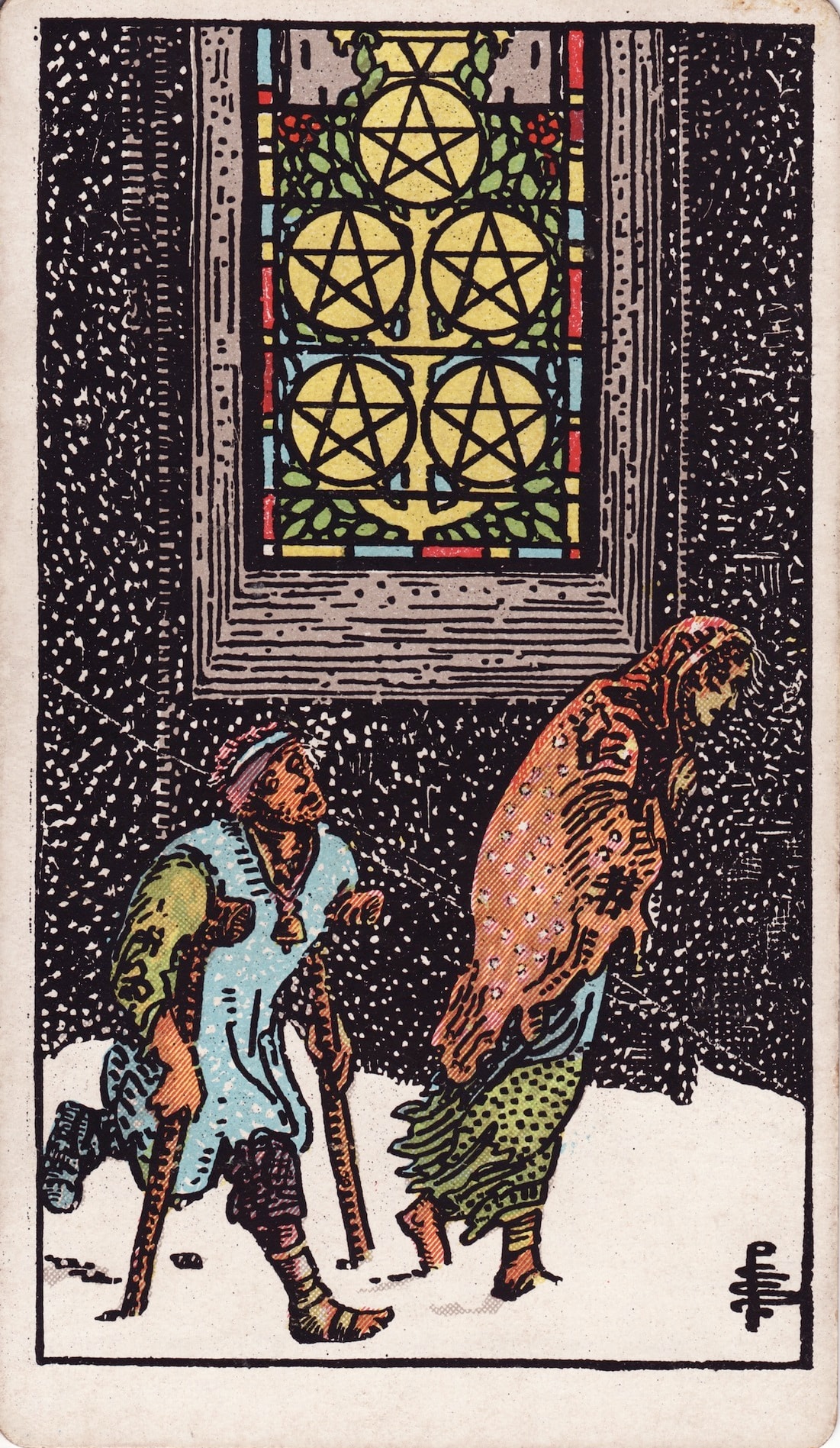
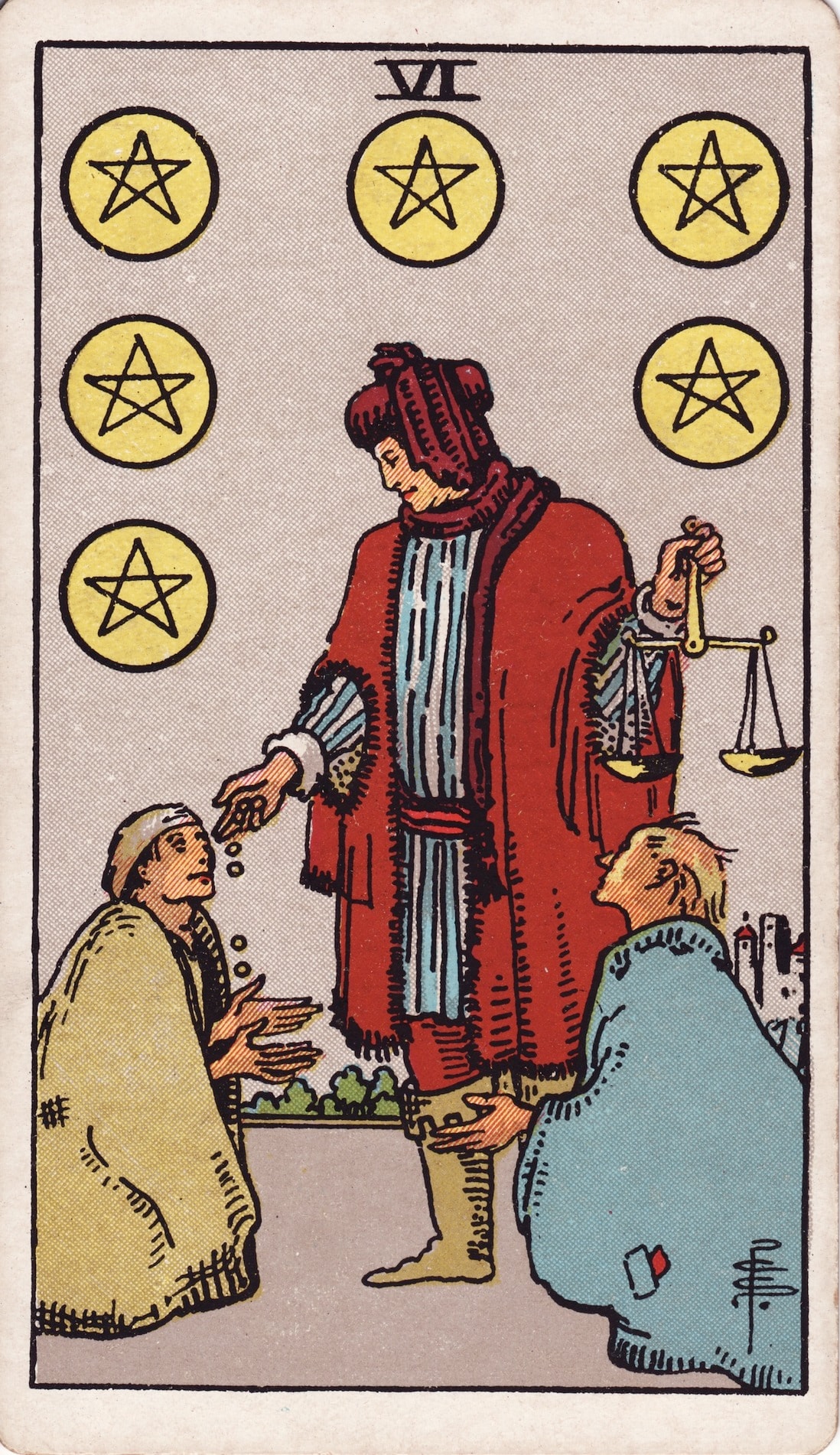
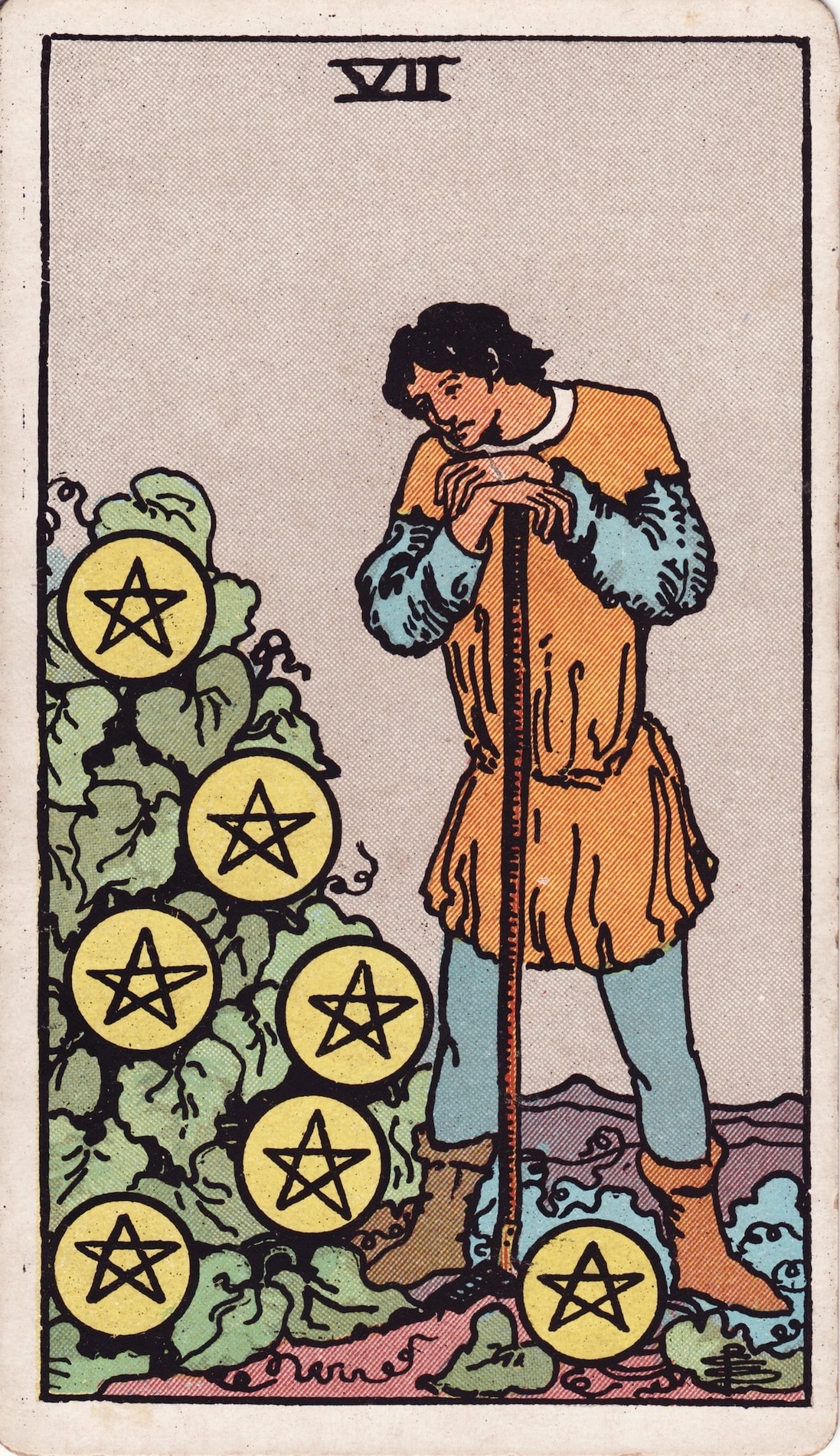
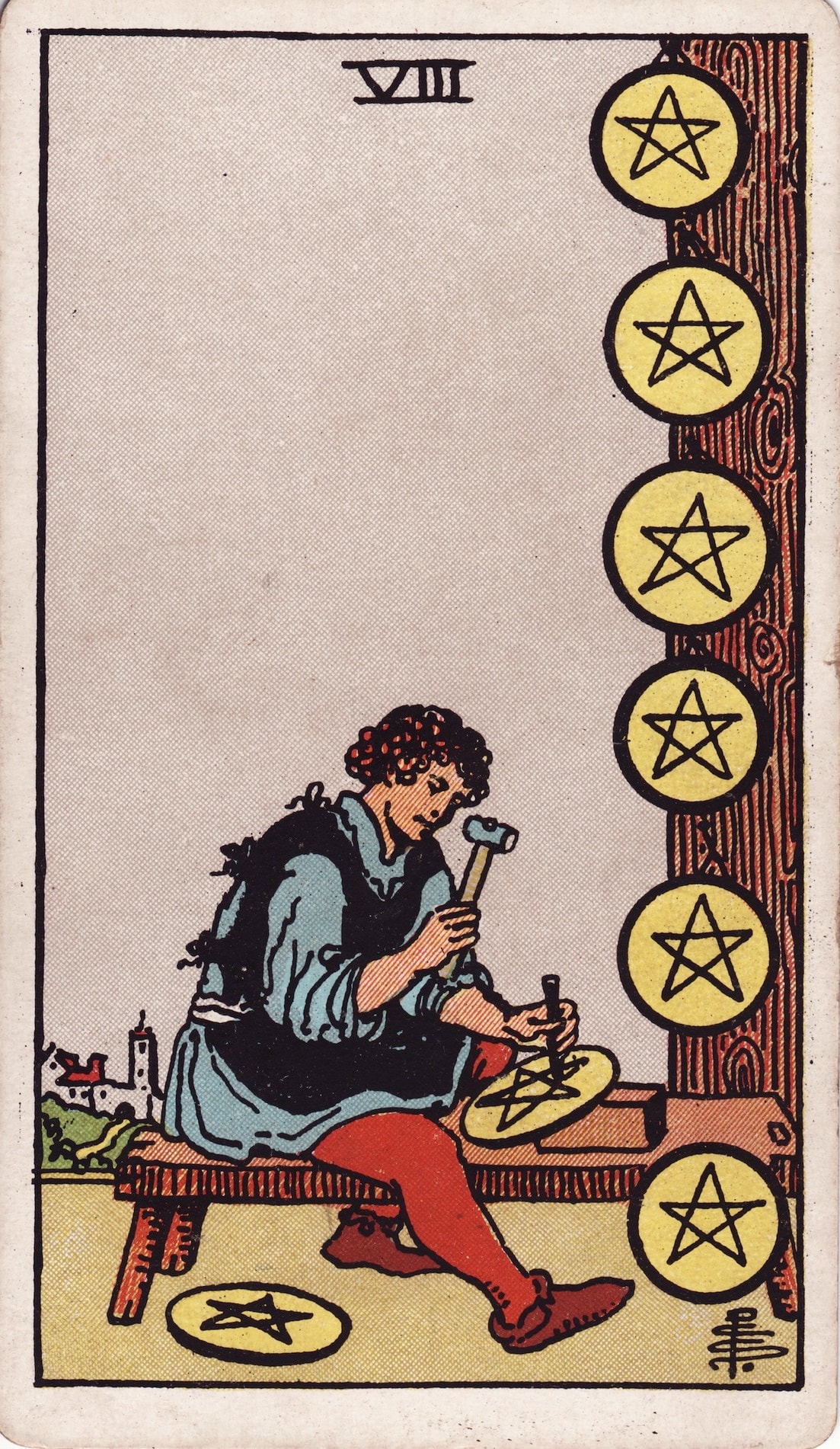
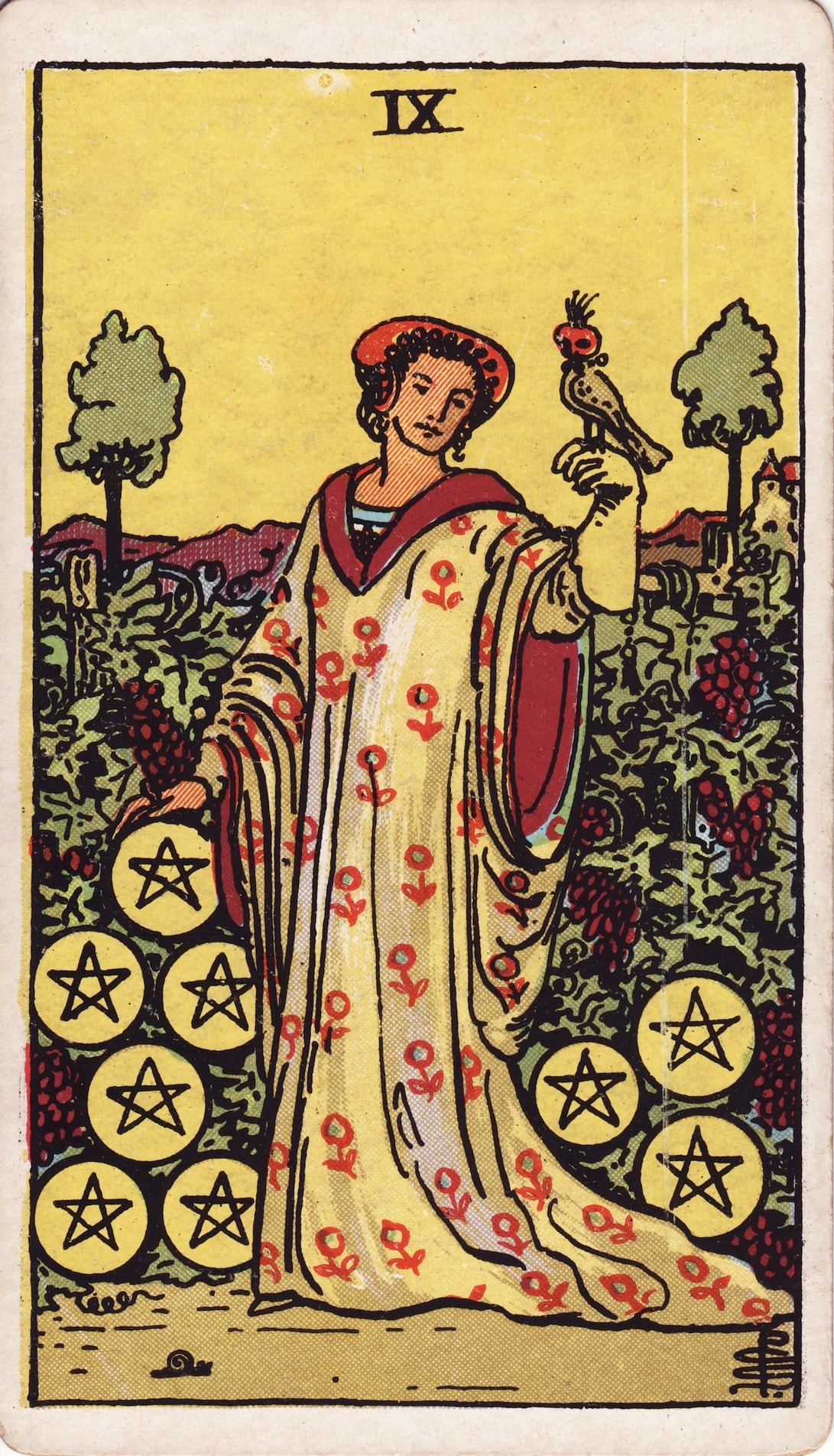
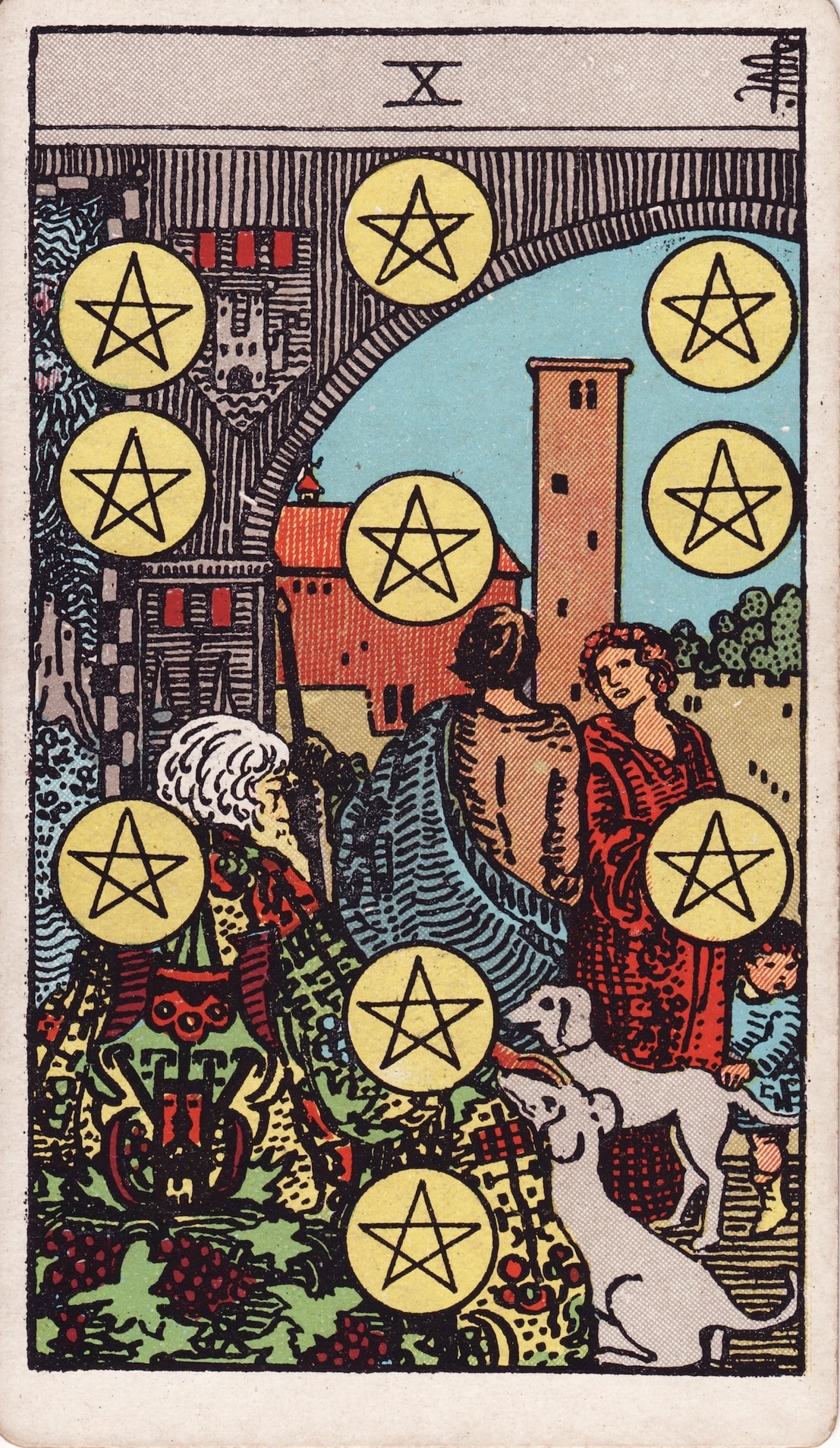
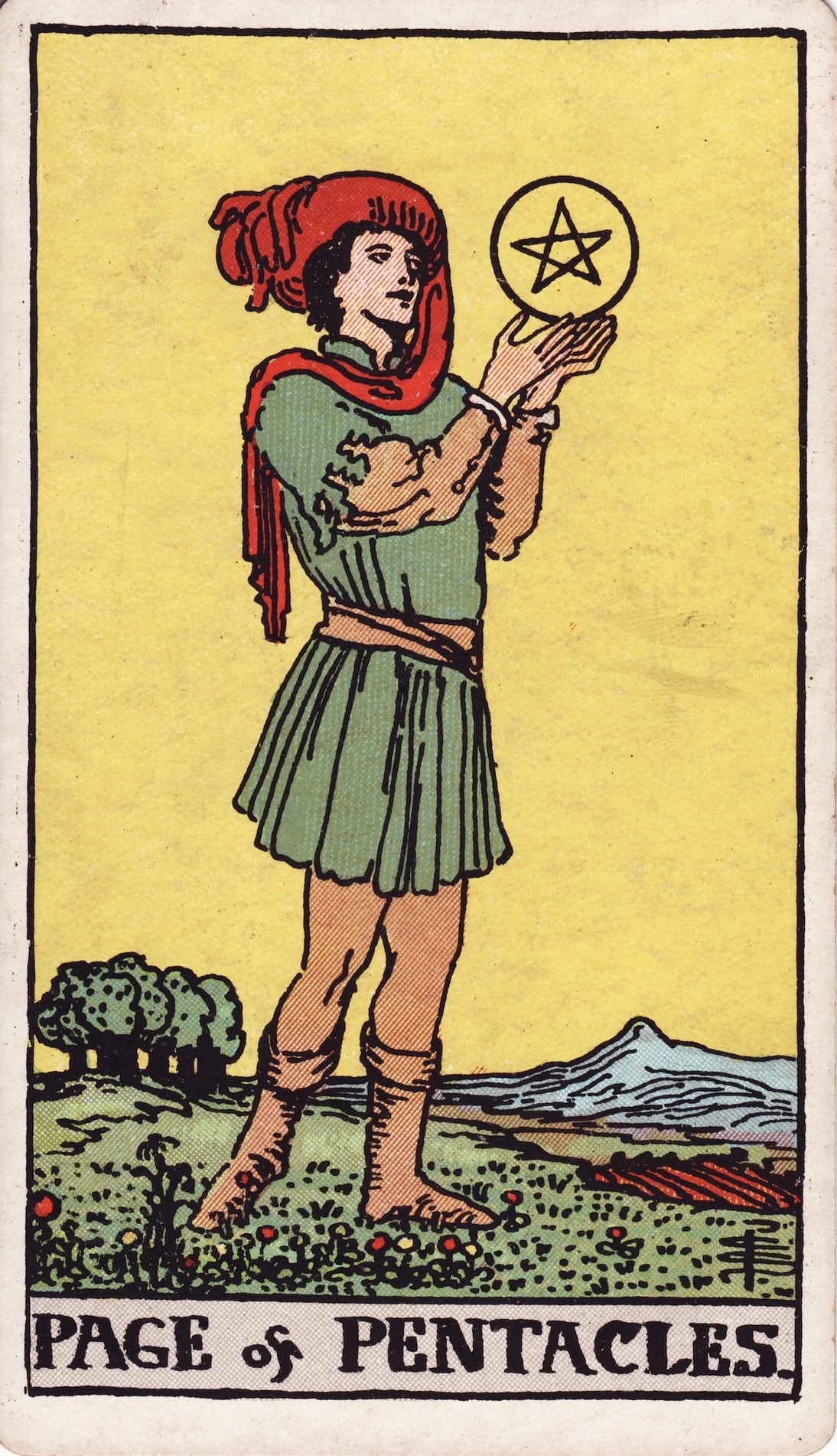
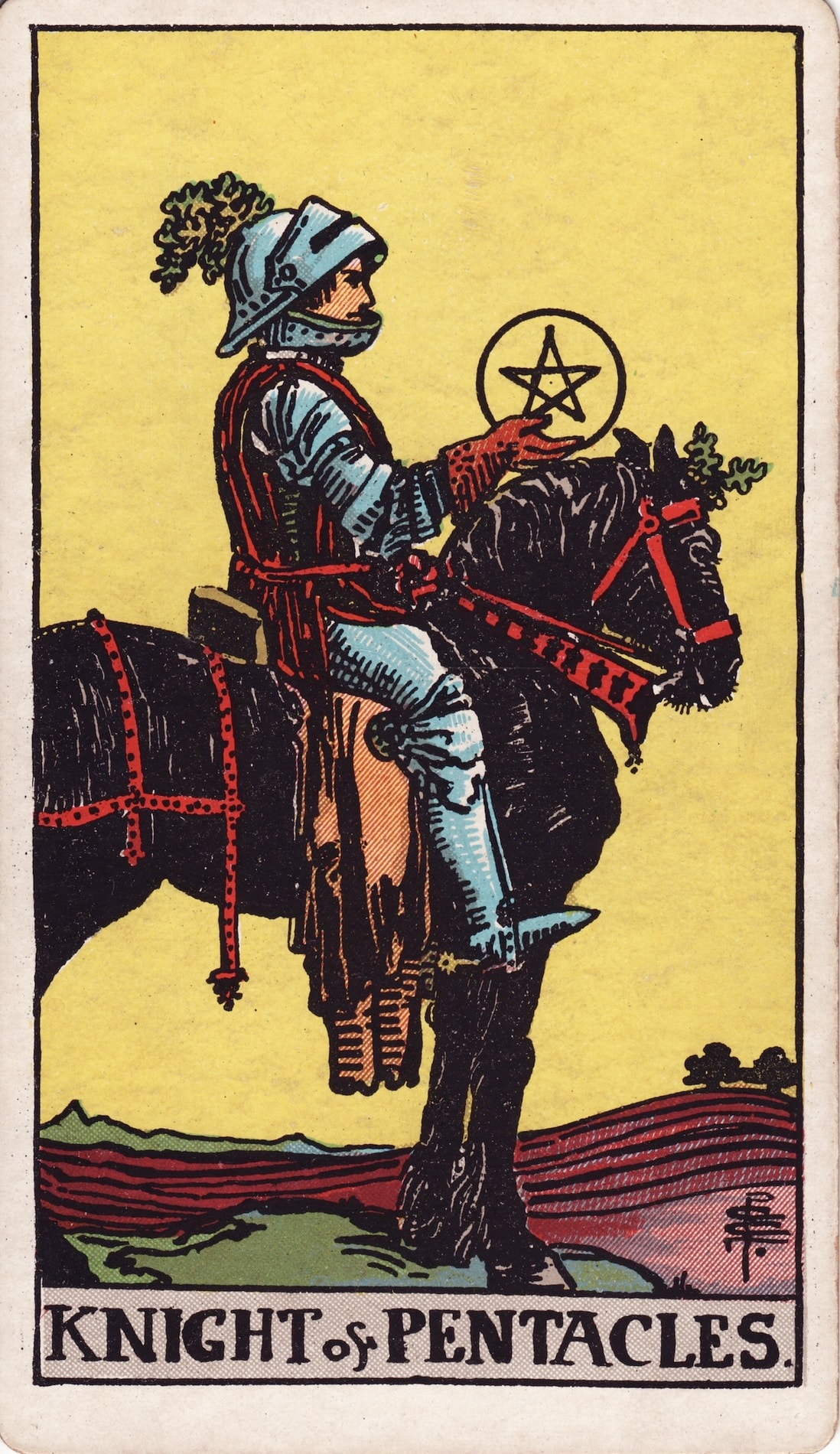
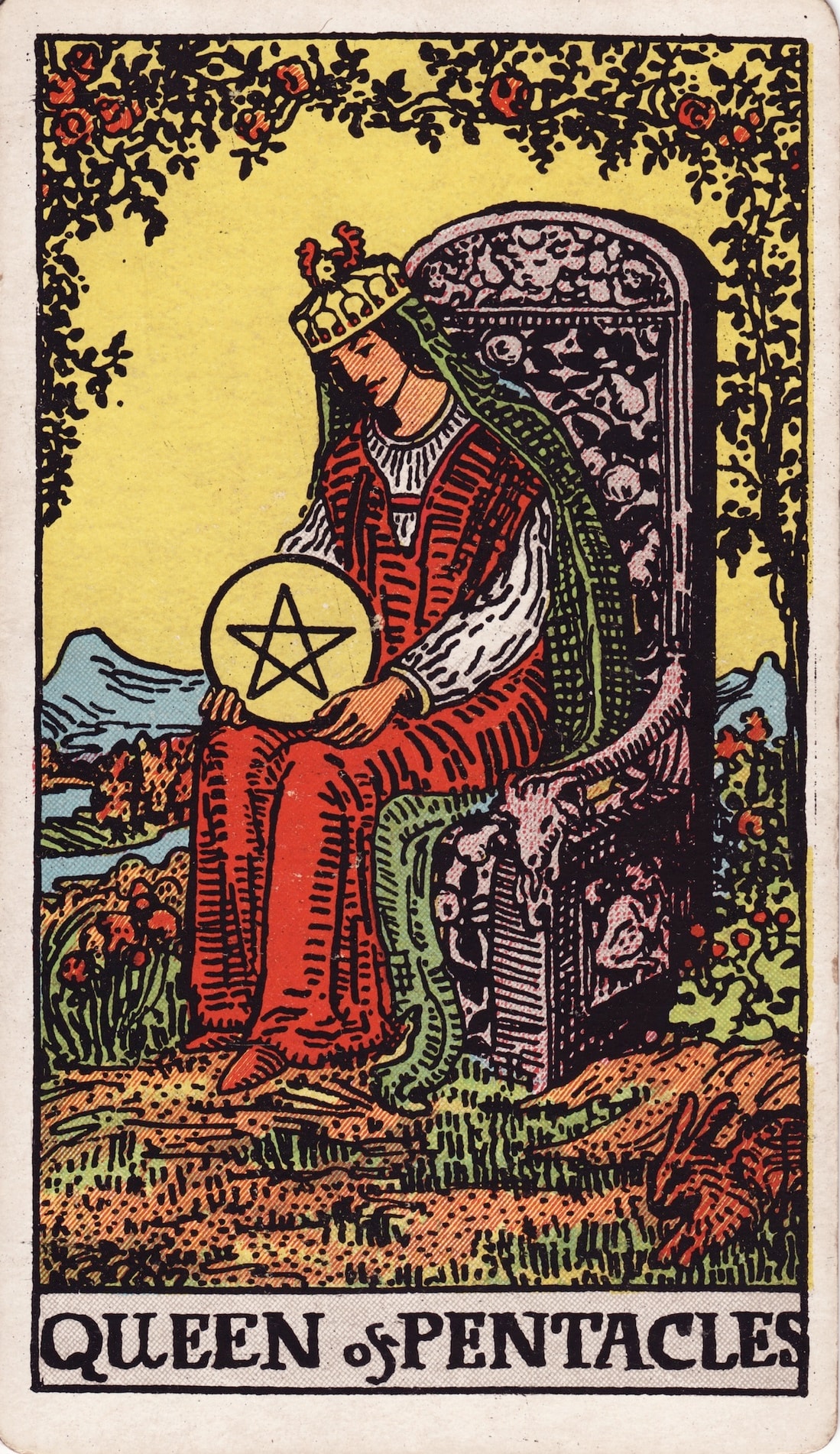
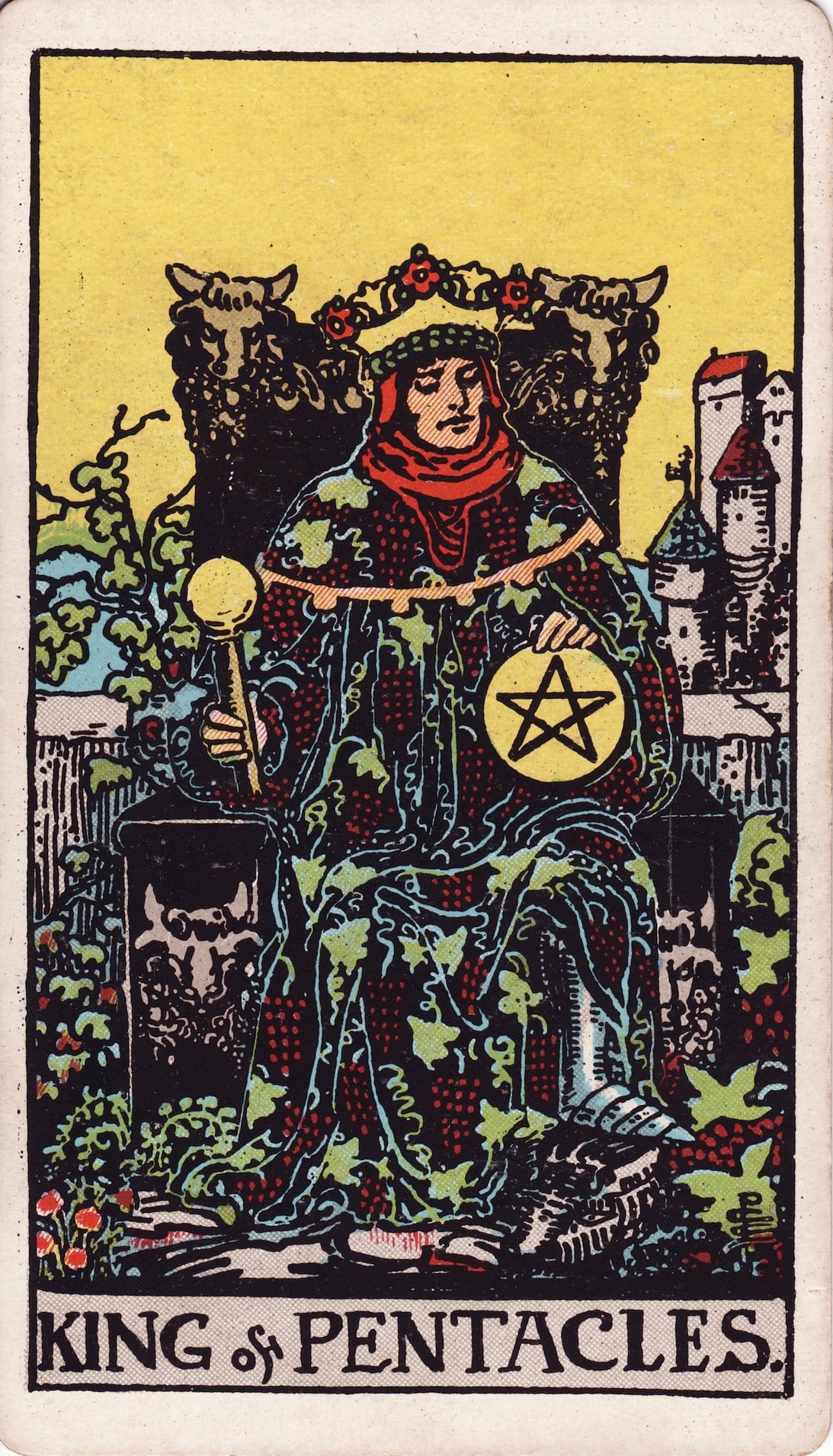
Arthur Edward Waite, London, 1911
The Pictorial Key to the Tarot
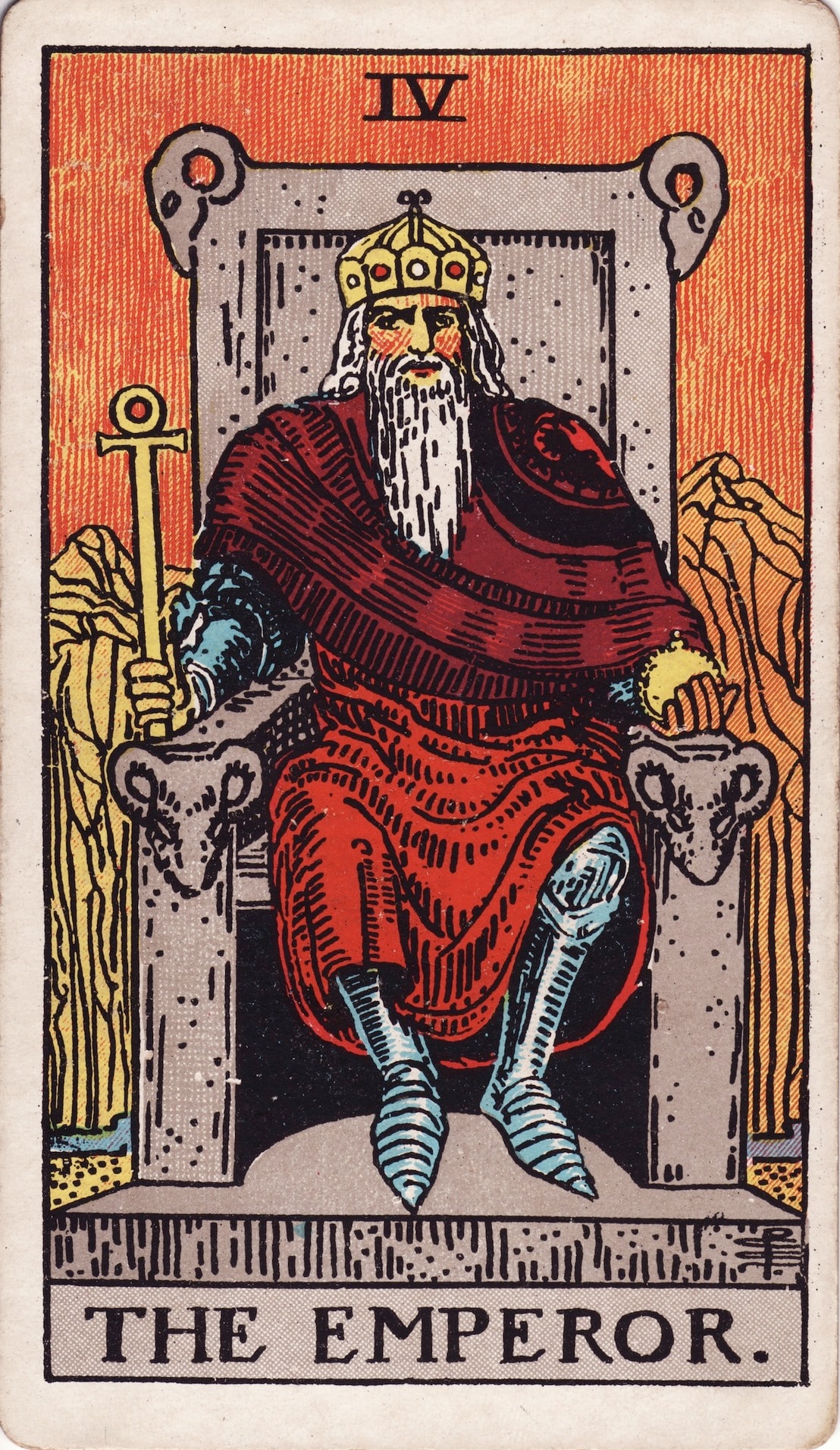
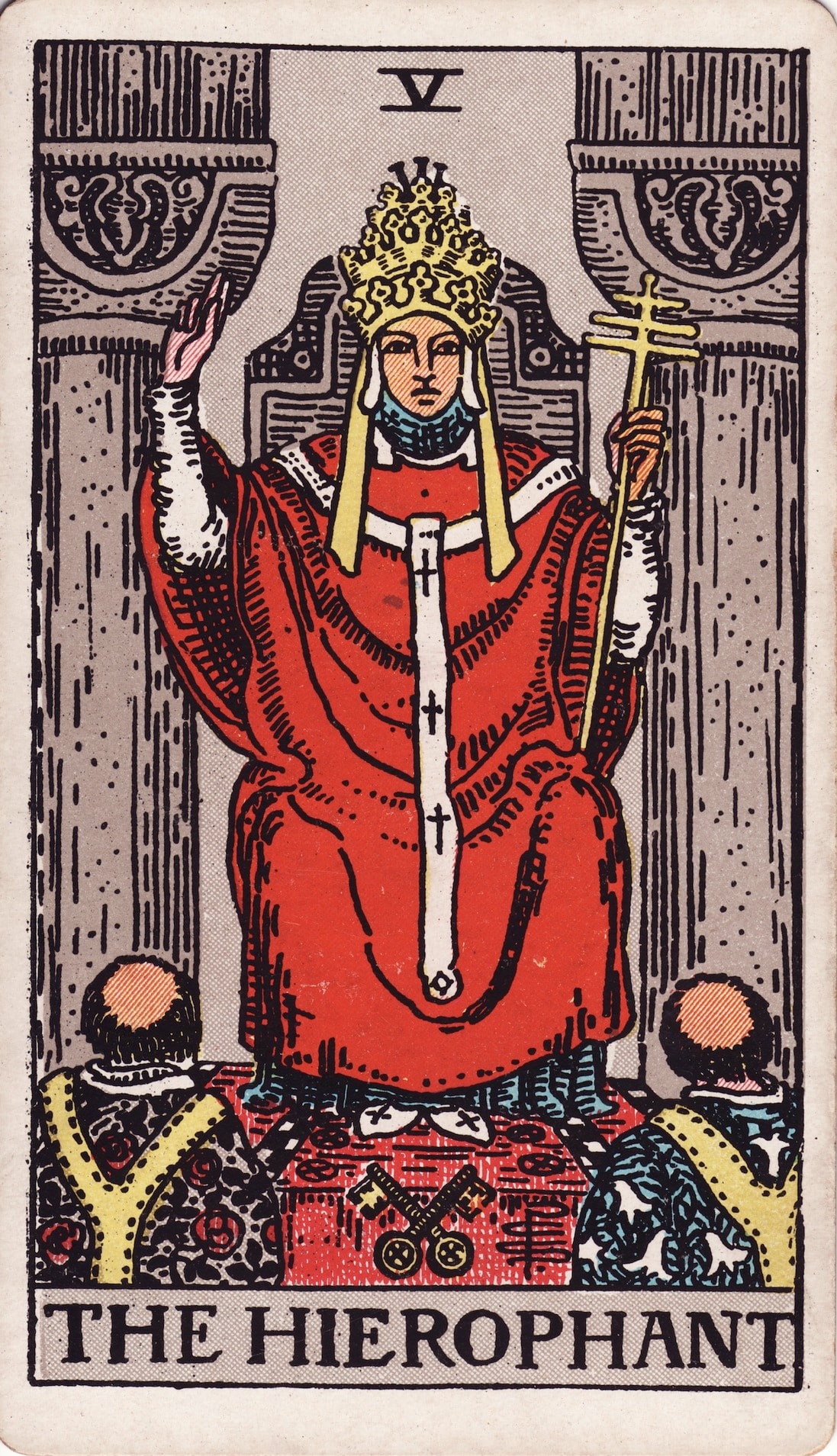
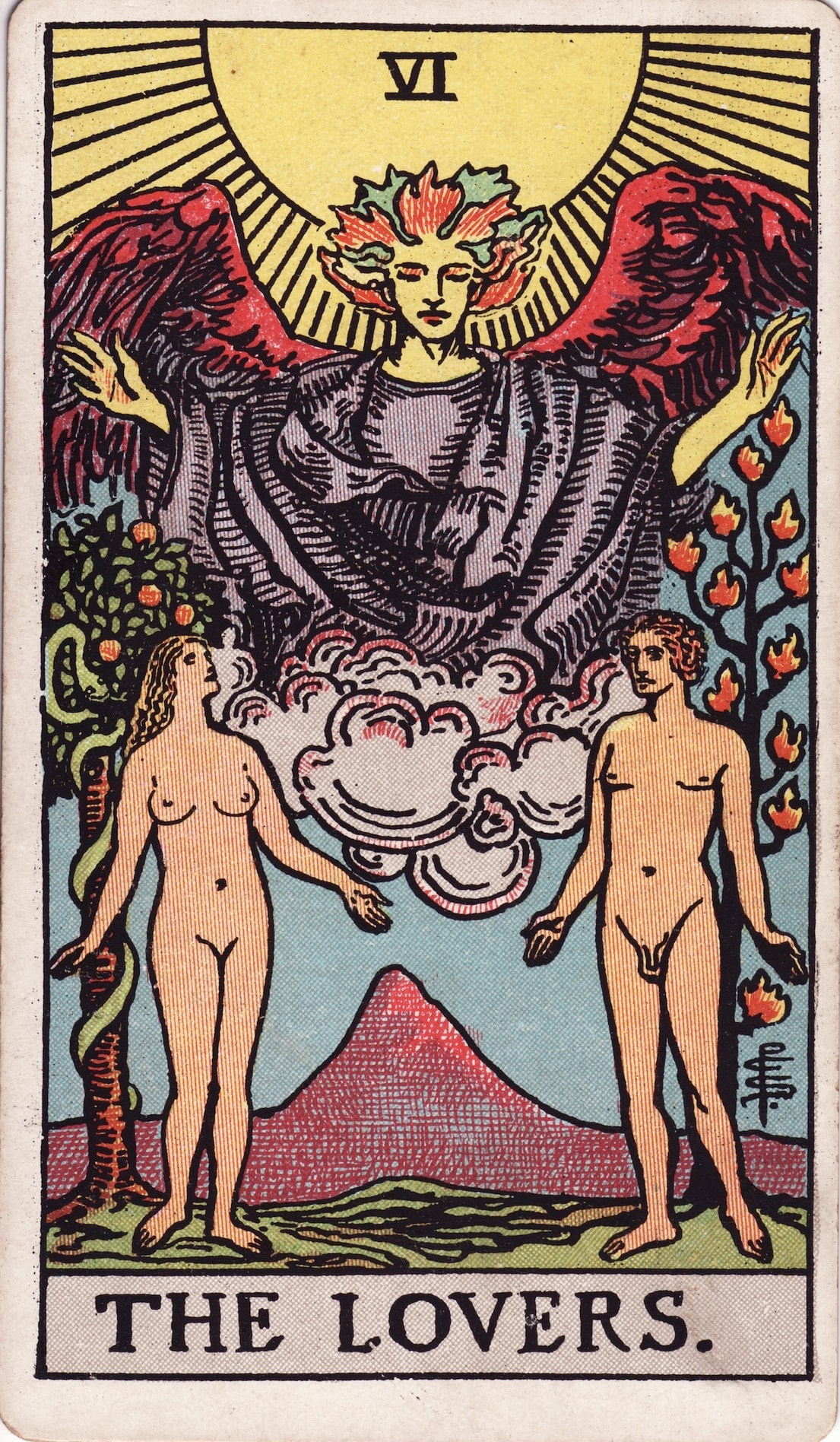
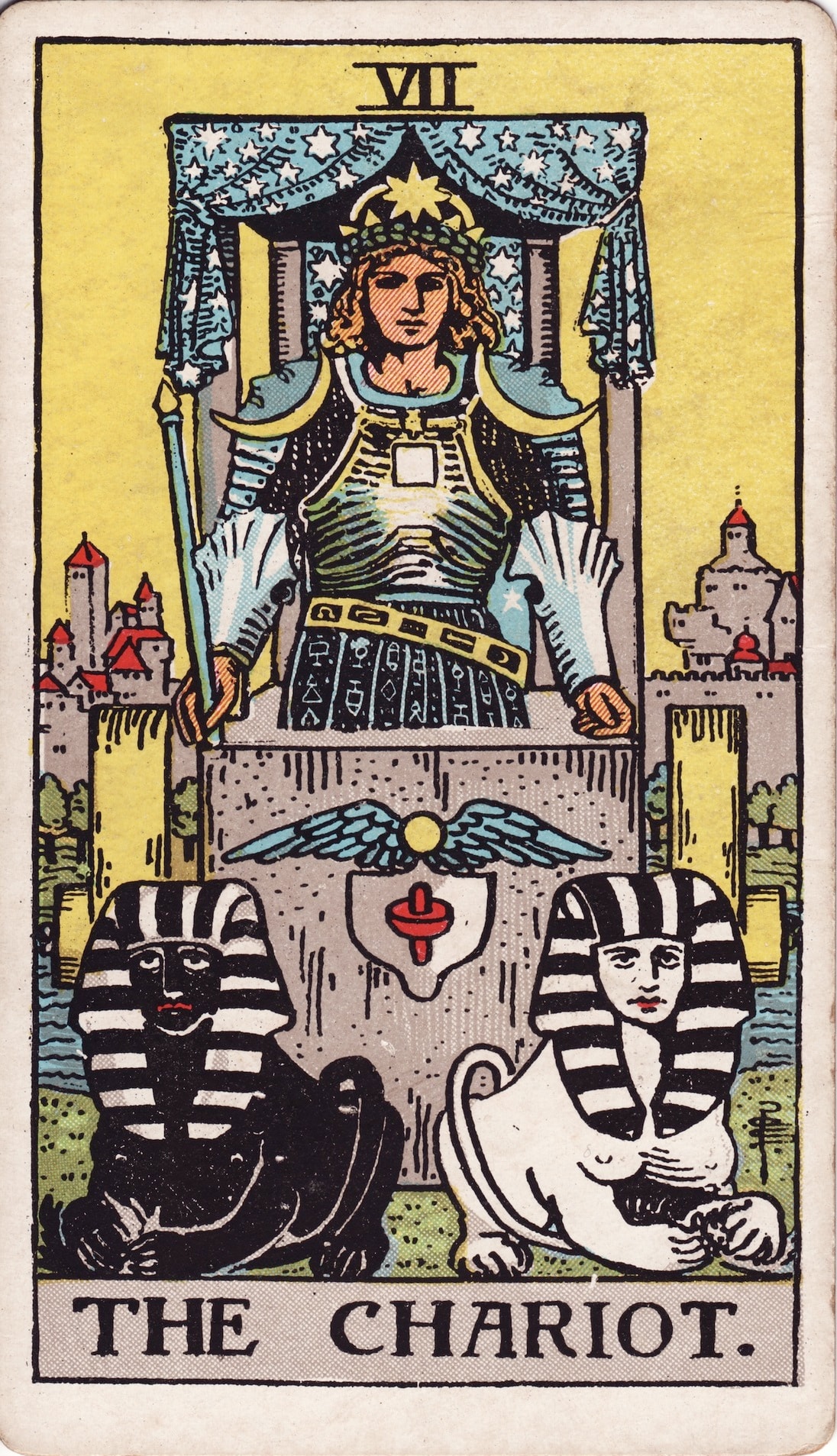
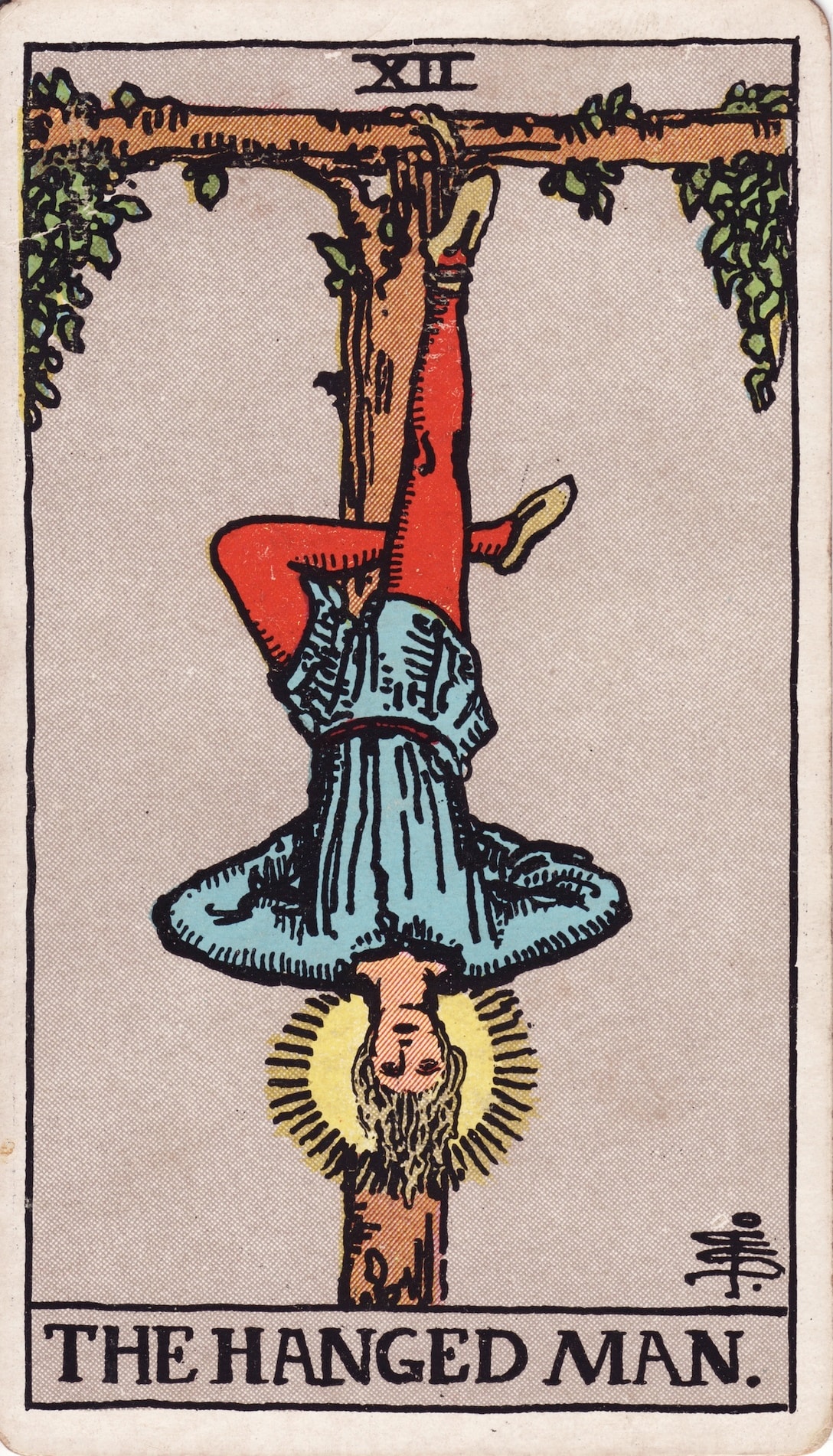
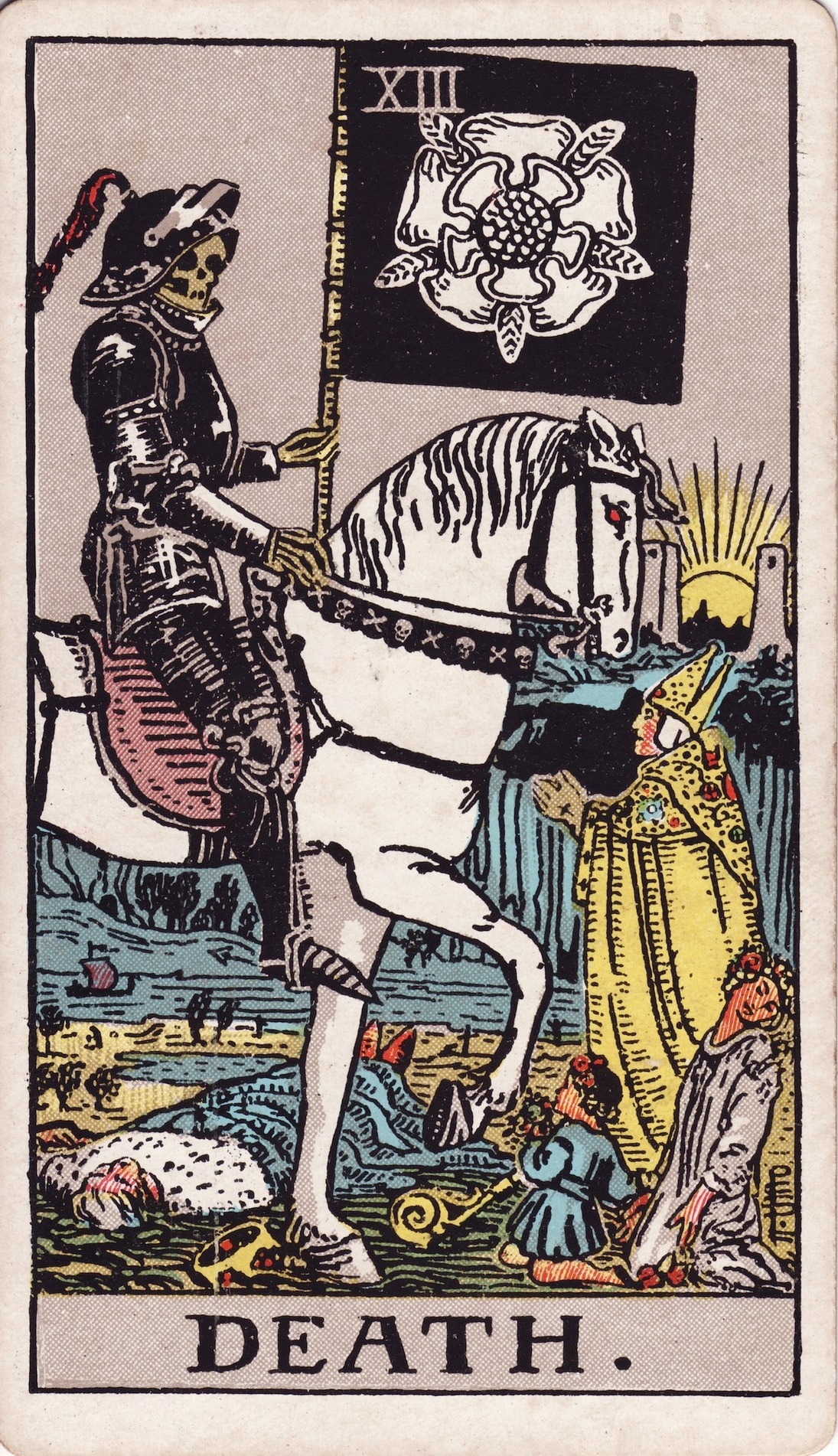
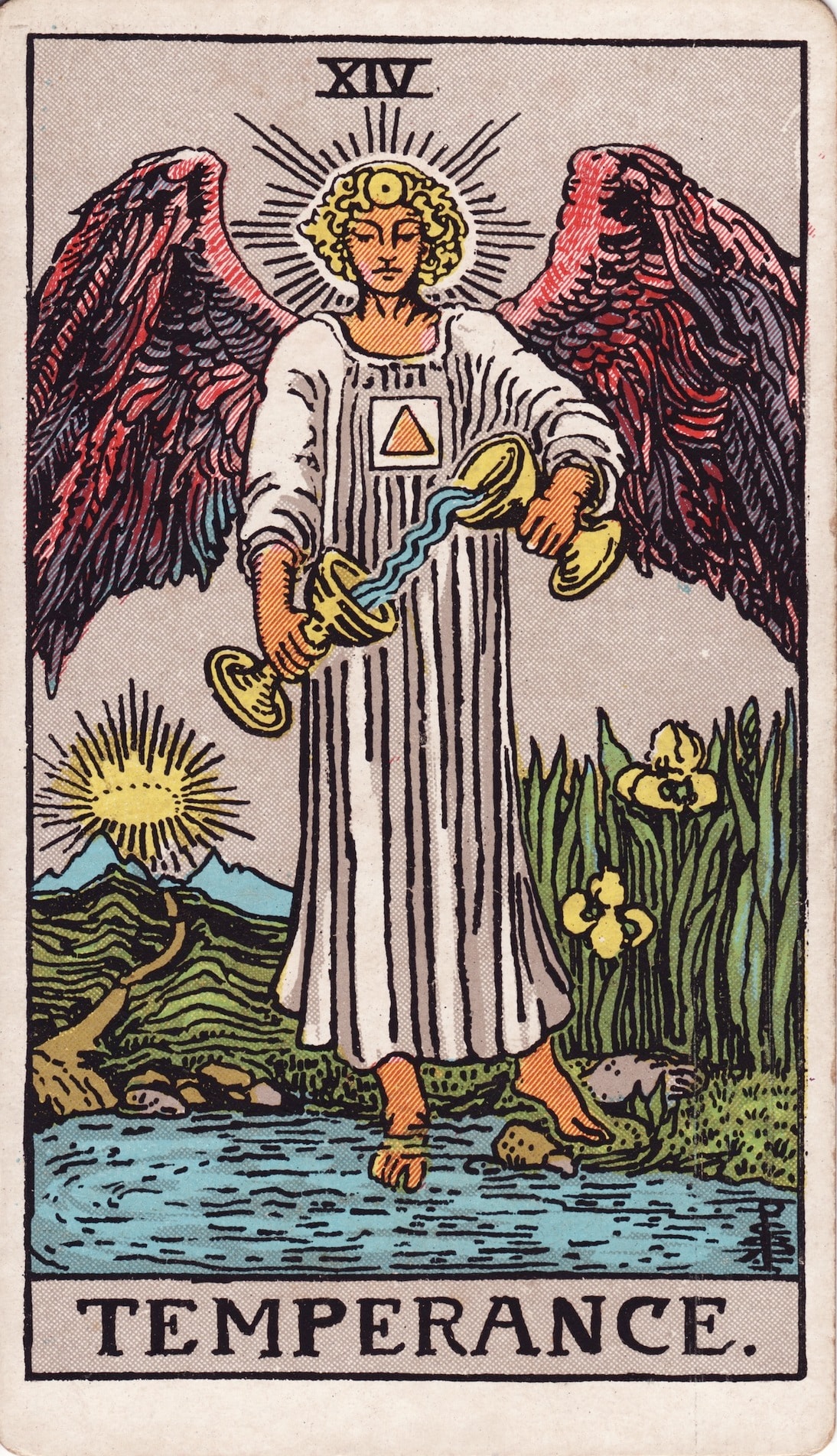
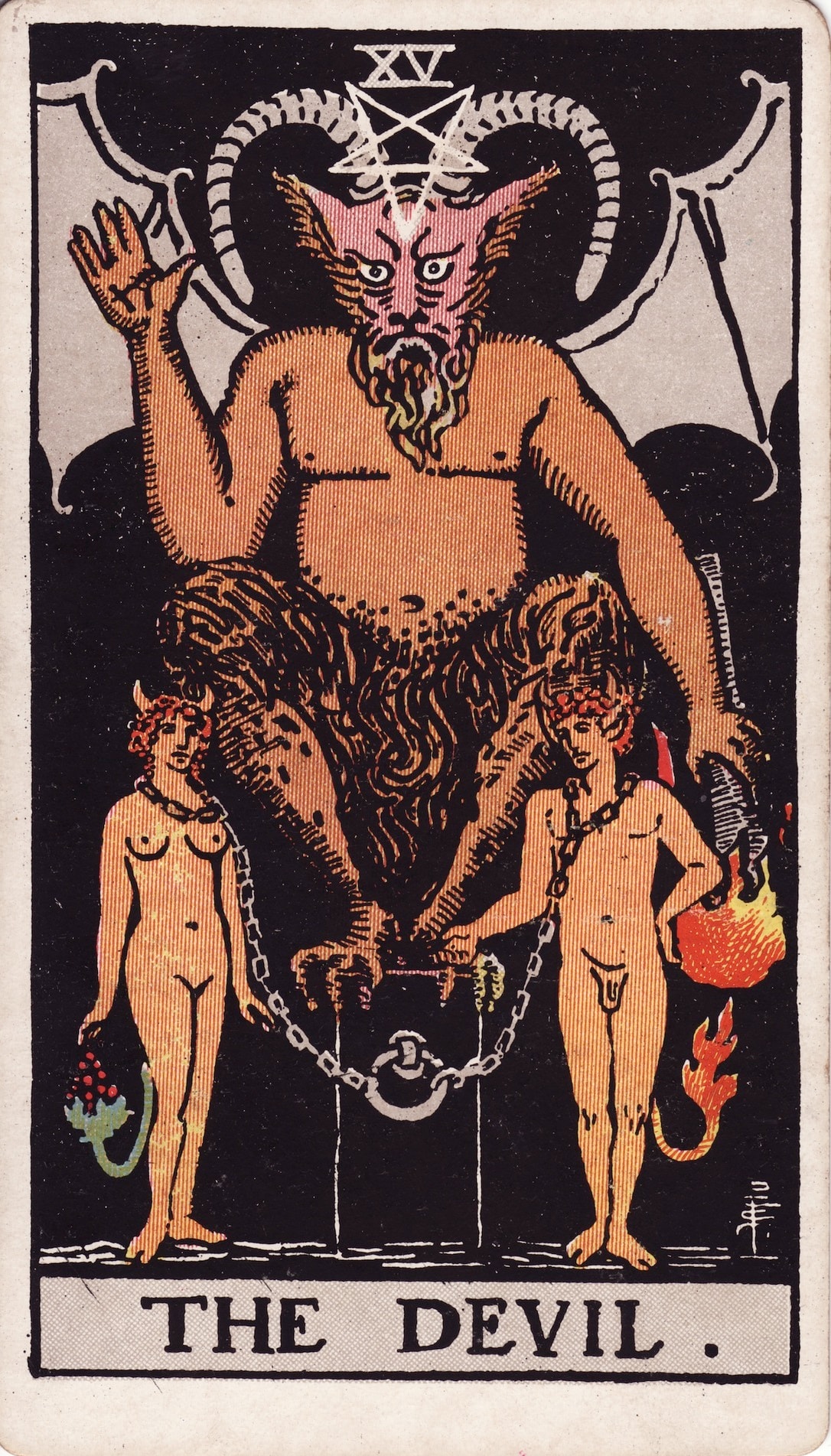
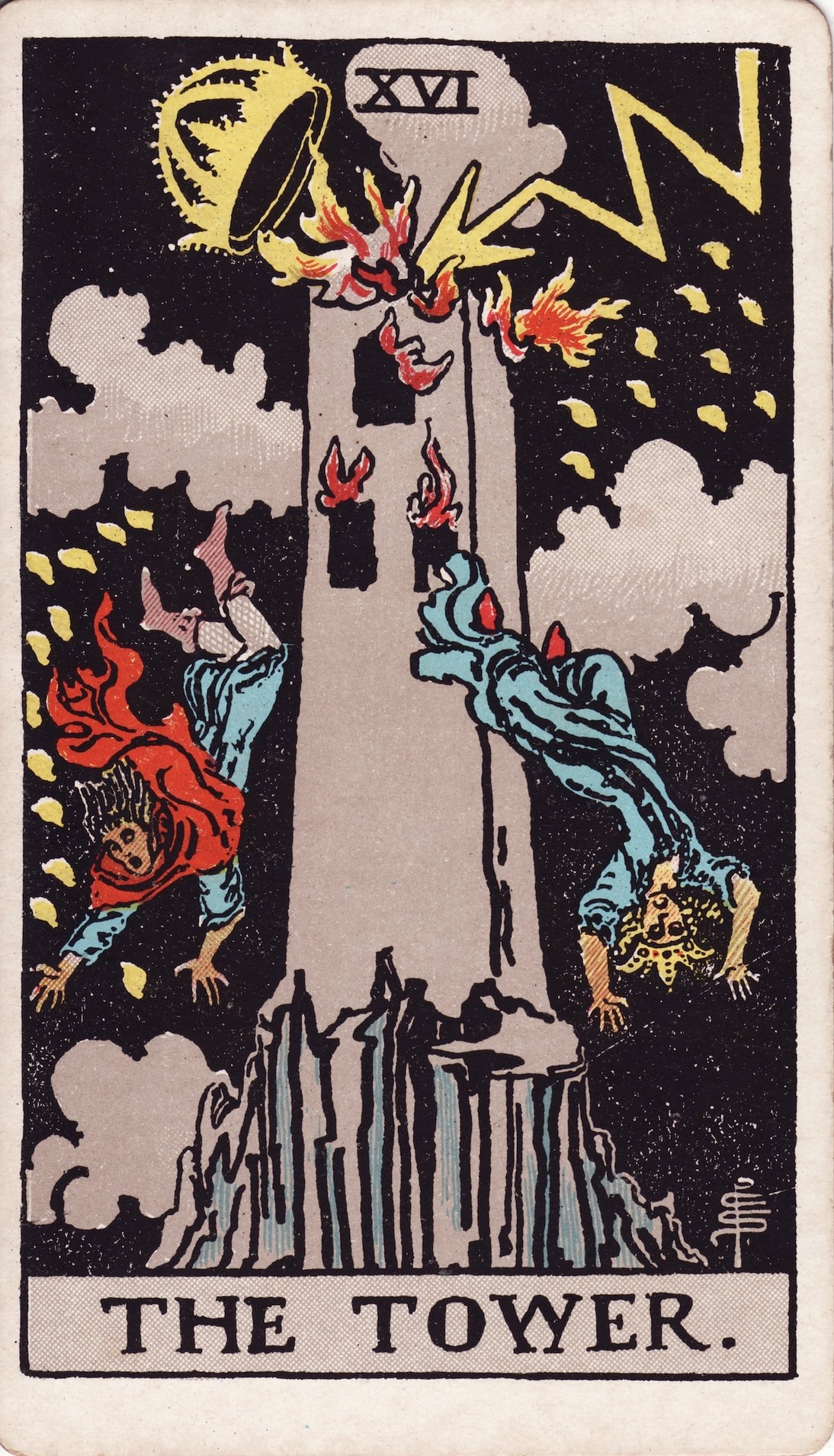
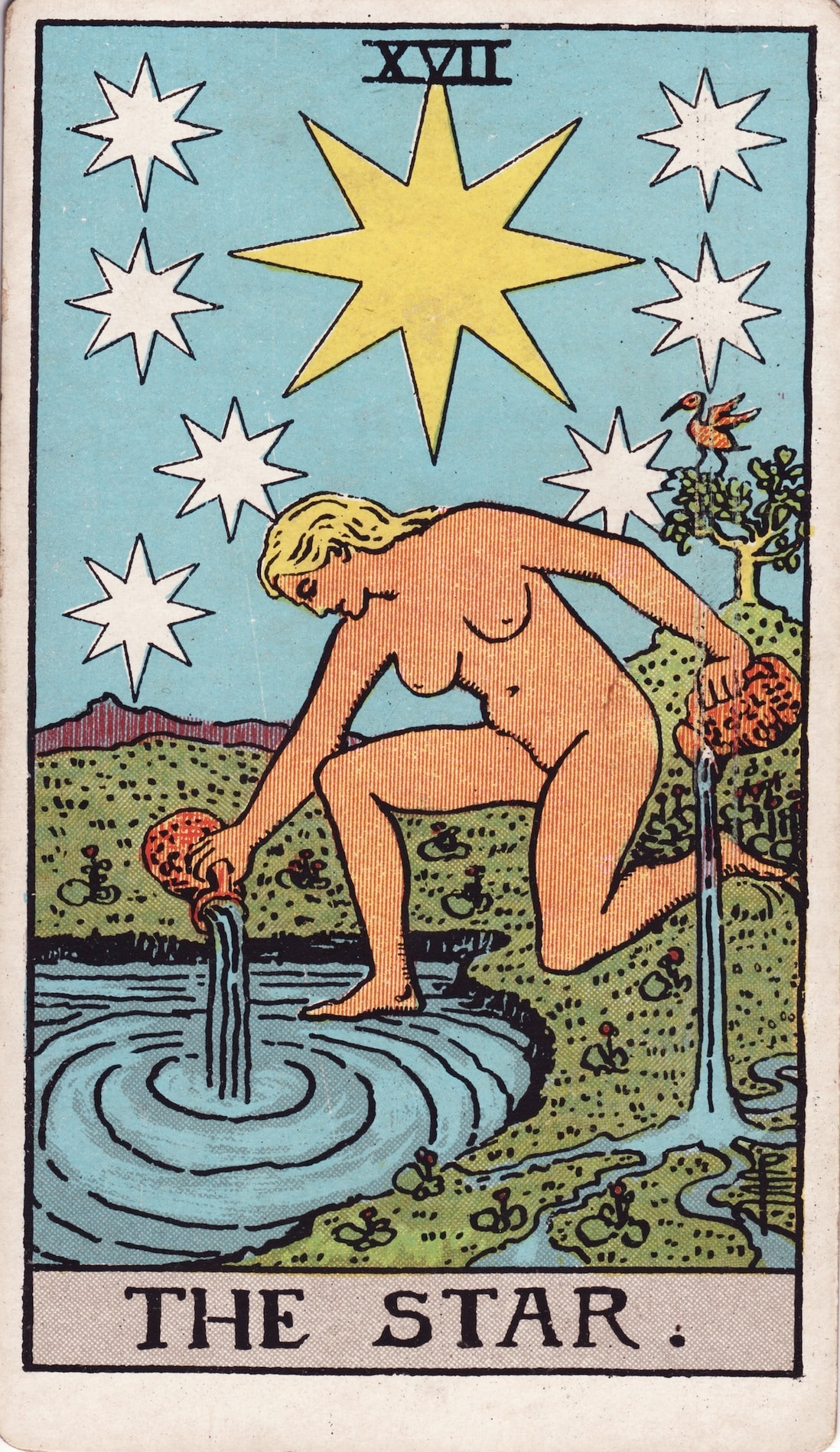
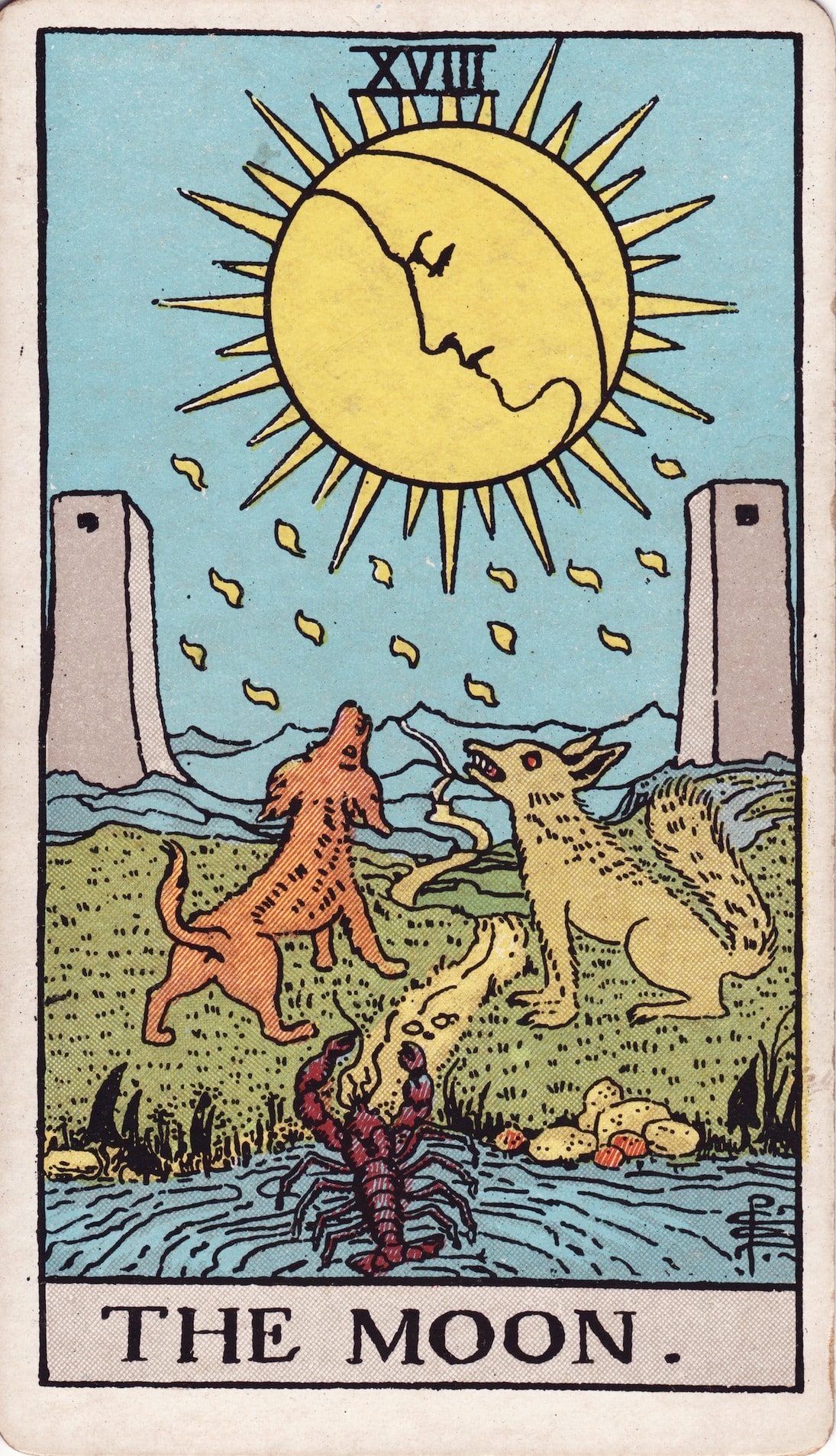
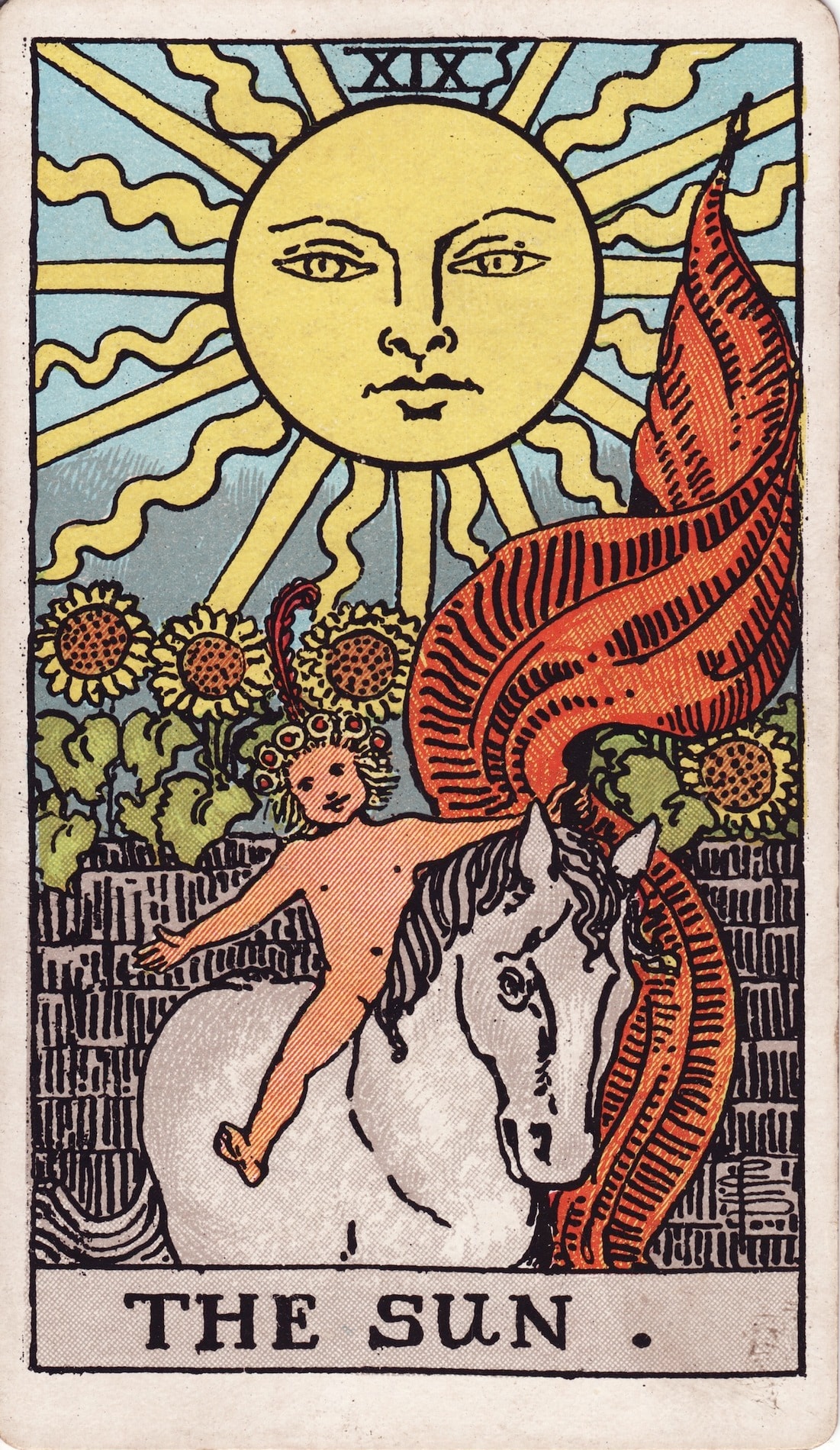
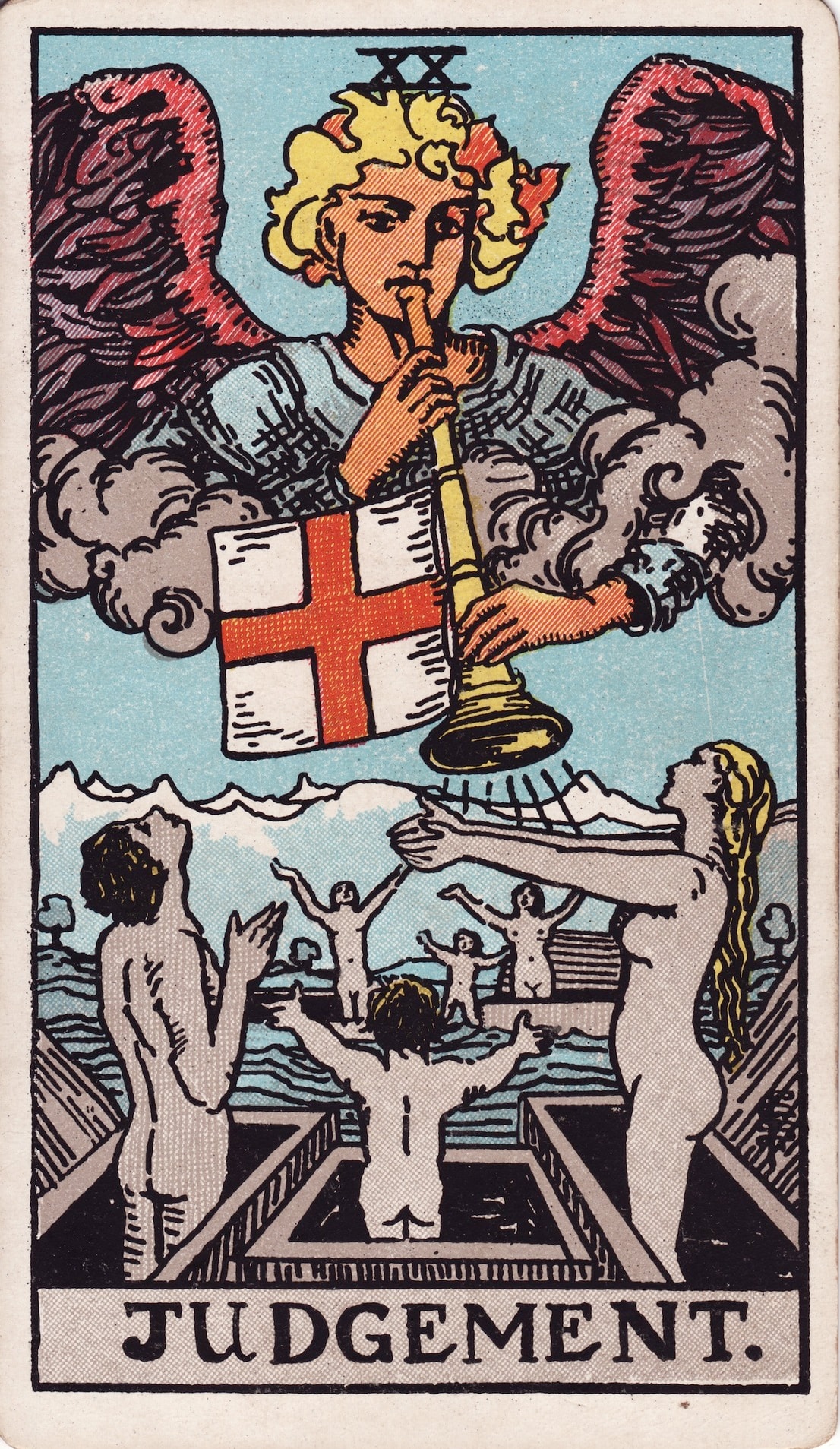
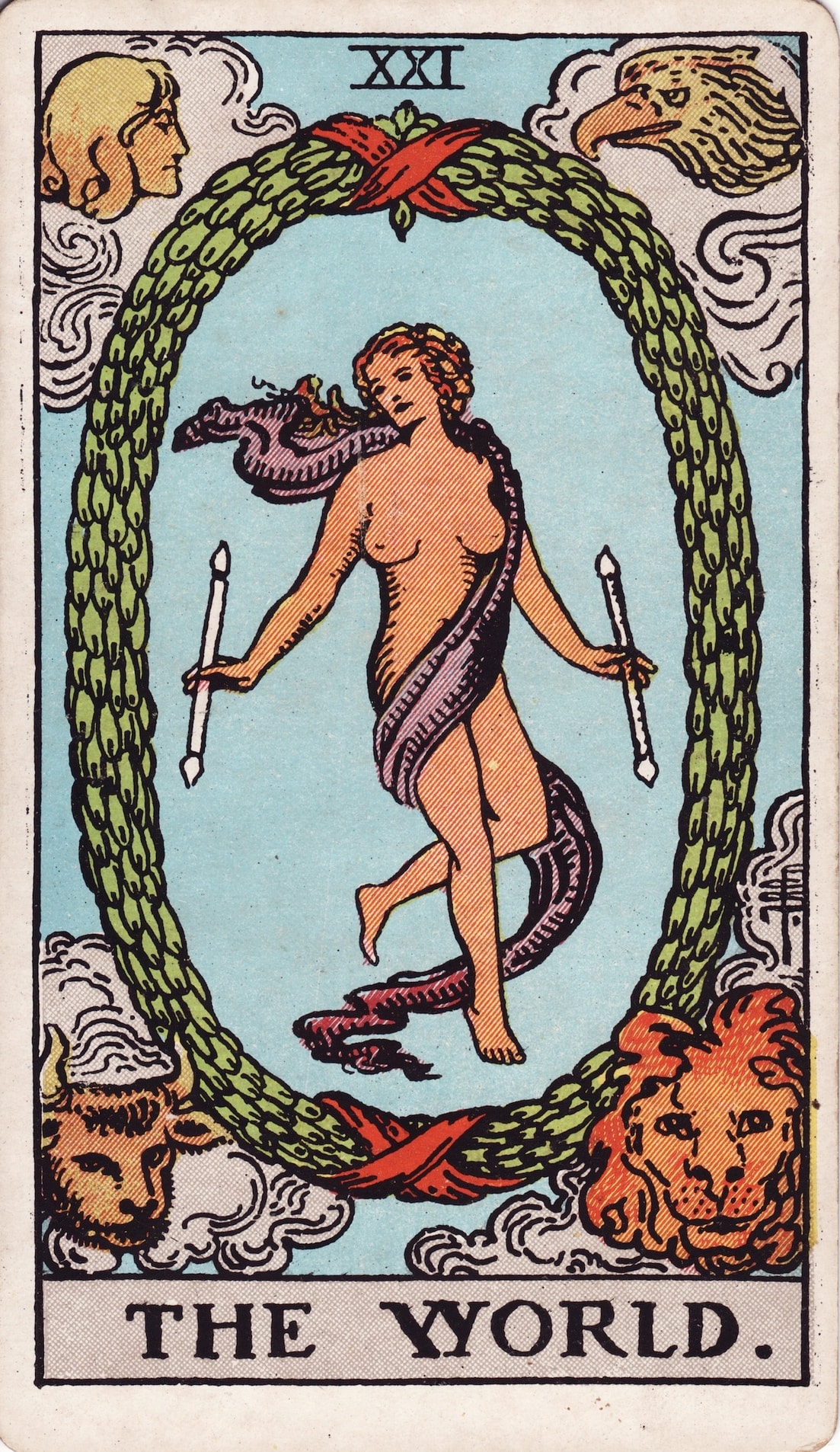
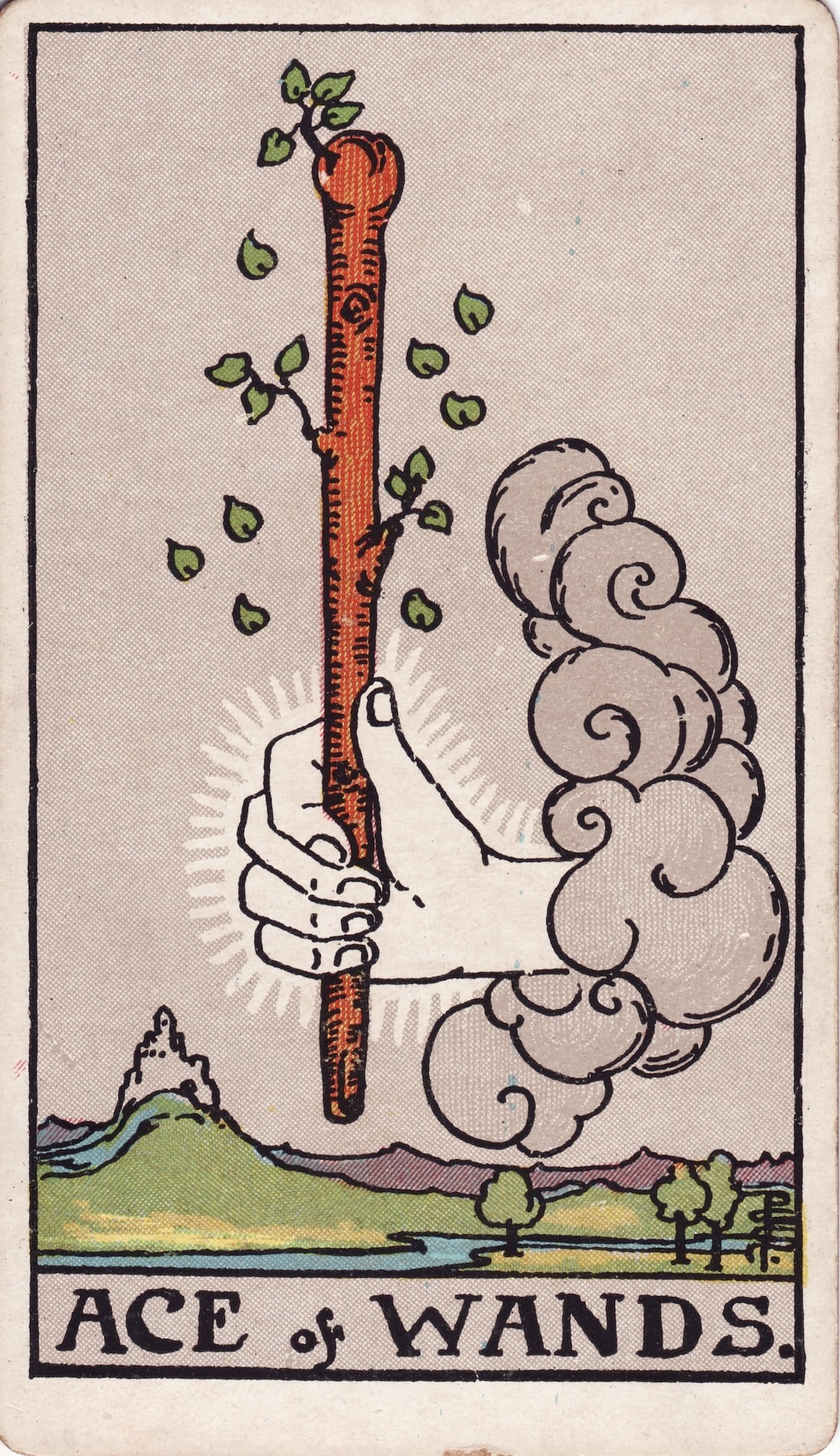
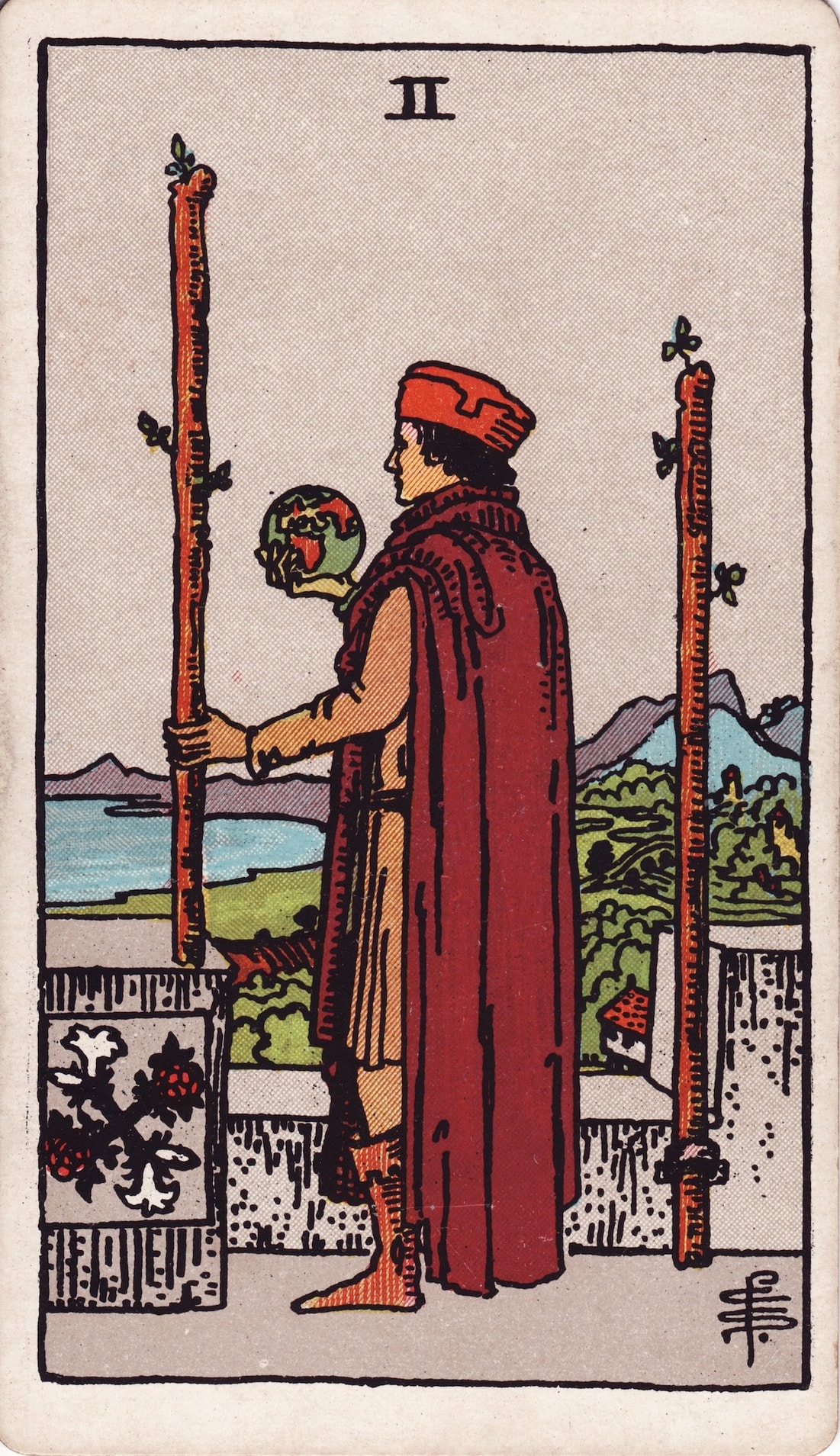
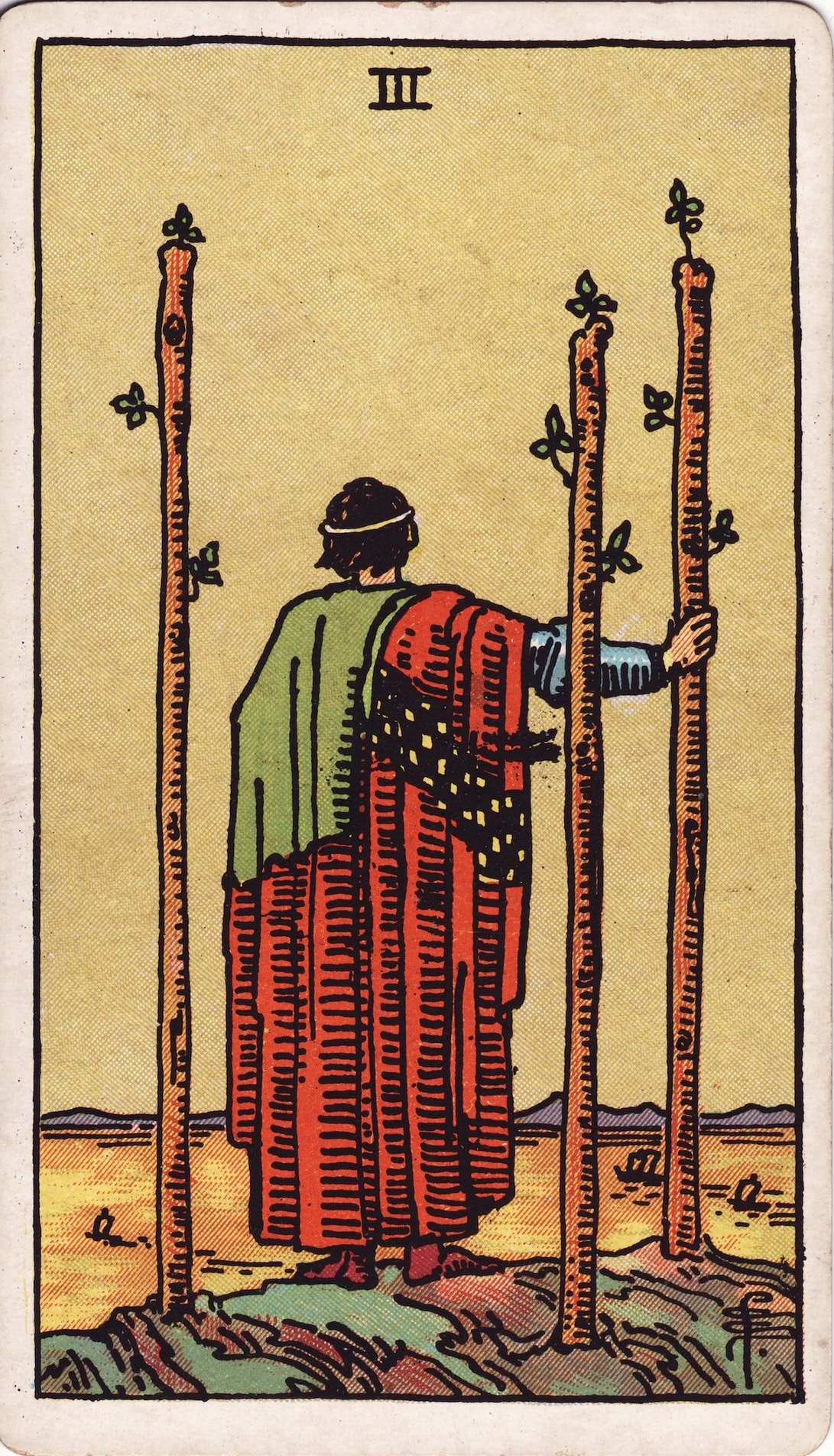
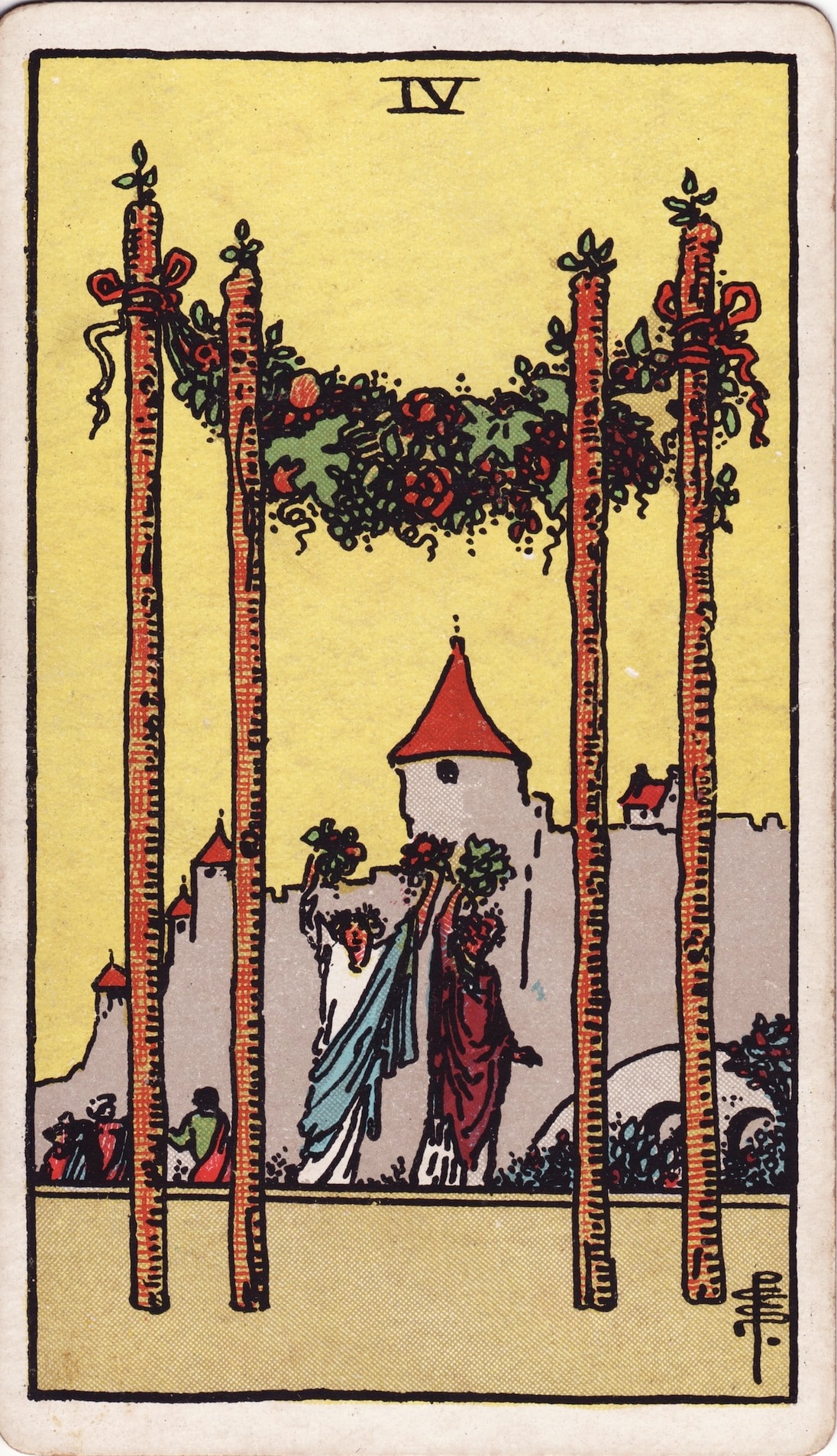
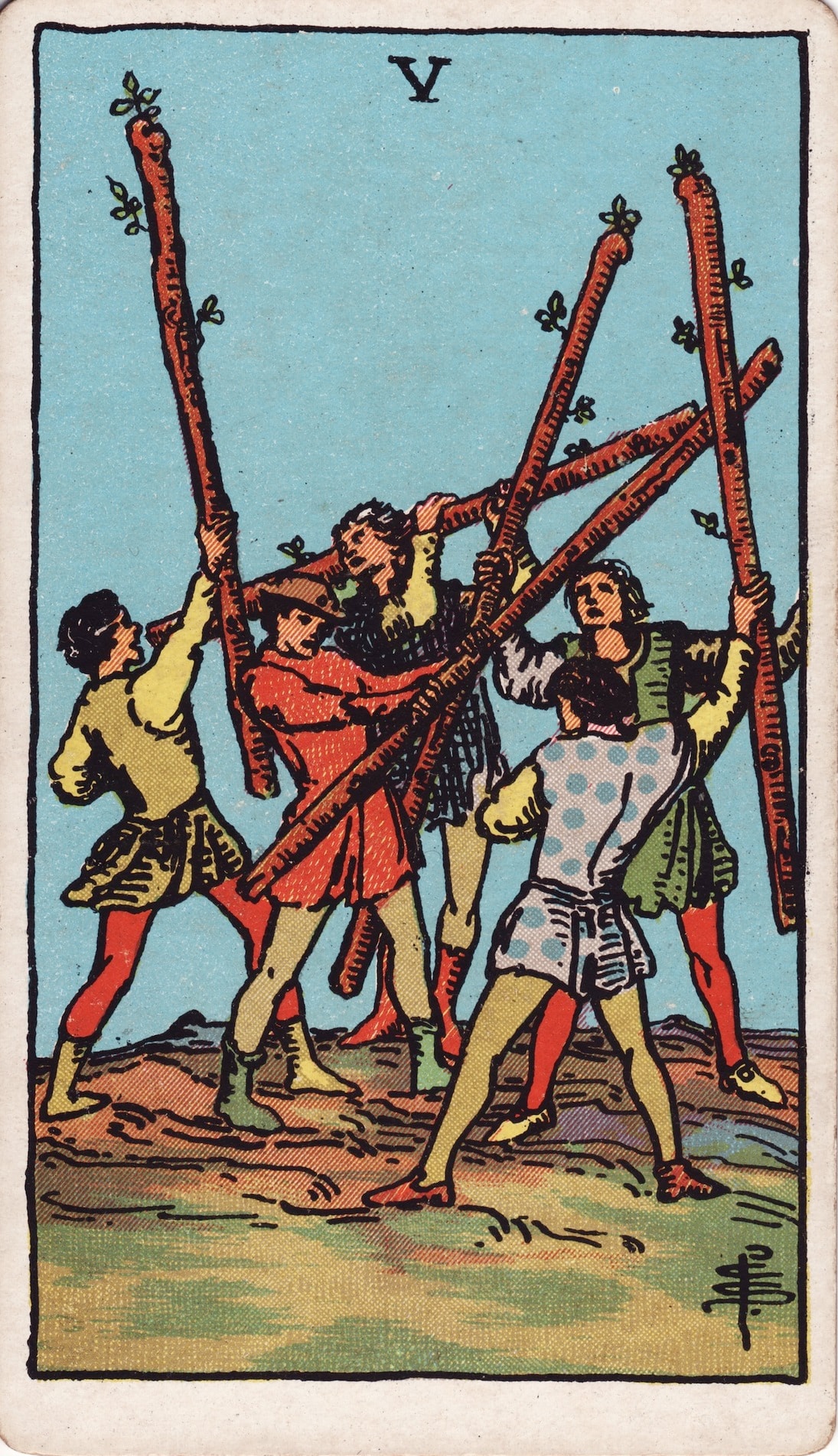
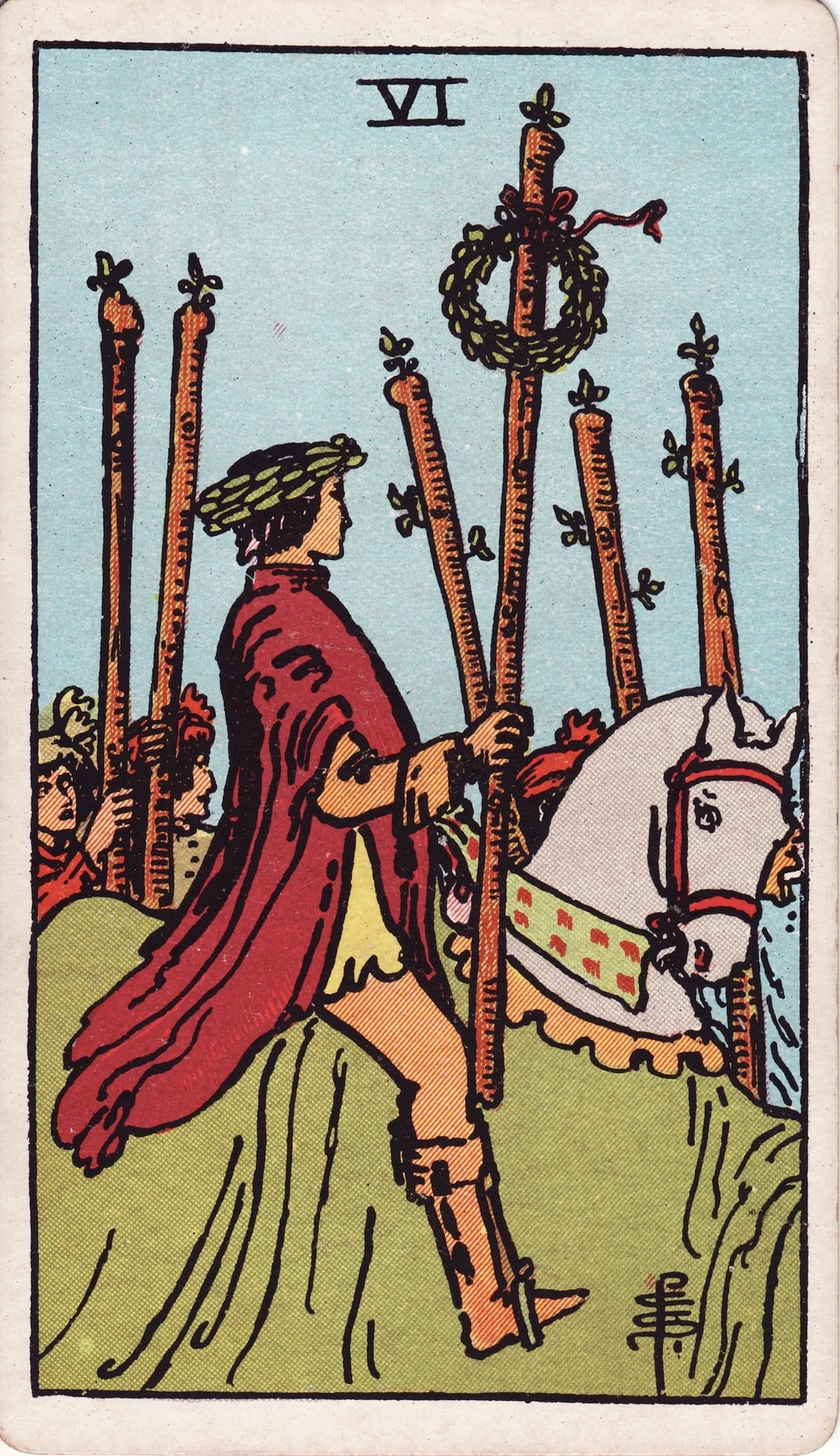
The Pictorial Key to the Tarot is A. E. Waite’s guide to the deck that Pamela Colman Smith drew in 1909. It came out in London at the end of 1910, with 1911 on the title page, and it prints all 78 of her pictures as black-and-white plates.
What the book is
In the preface Waite calls it a “little treatise”. It has three parts. The first looks at where the cards came from, and sets aside claims he found baseless, such as a birth in ancient Egypt. The second goes through the 22 trumps one by one, each with Smith’s plate, and says what Waite saw in them. The third gives the meanings used in fortune-telling for all 78 cards, then a few ways to lay them out. One of these, “An Ancient Celtic Method of Divination”, is the spread now known as the Celtic Cross. A concise bibliography closes the book.
When and why Waite wrote it
Arthur Edward Waite (1857–1942) lived and wrote in London. He wrote on mysticism and secret traditions, and he was a member of the Hermetic Order of the Golden Dawn. In December 1909 William Rider & Son published the deck he had planned with Smith, sold with a small guide, The Key to the Tarot. The Pictorial Key is the illustrated version of that guide.
In his preface Waite says the cards “belong in themselves to another region” than fortune-telling. He felt they had been handled badly, and he wanted them “rescued”. Still, he kept the fortune-telling meanings, as “a fact in the history of the Tarot”. This site shows his meanings in that light: as what Waite wrote in 1910, one voice in a long story, and not a rule for how a card must be read.
Smith’s role
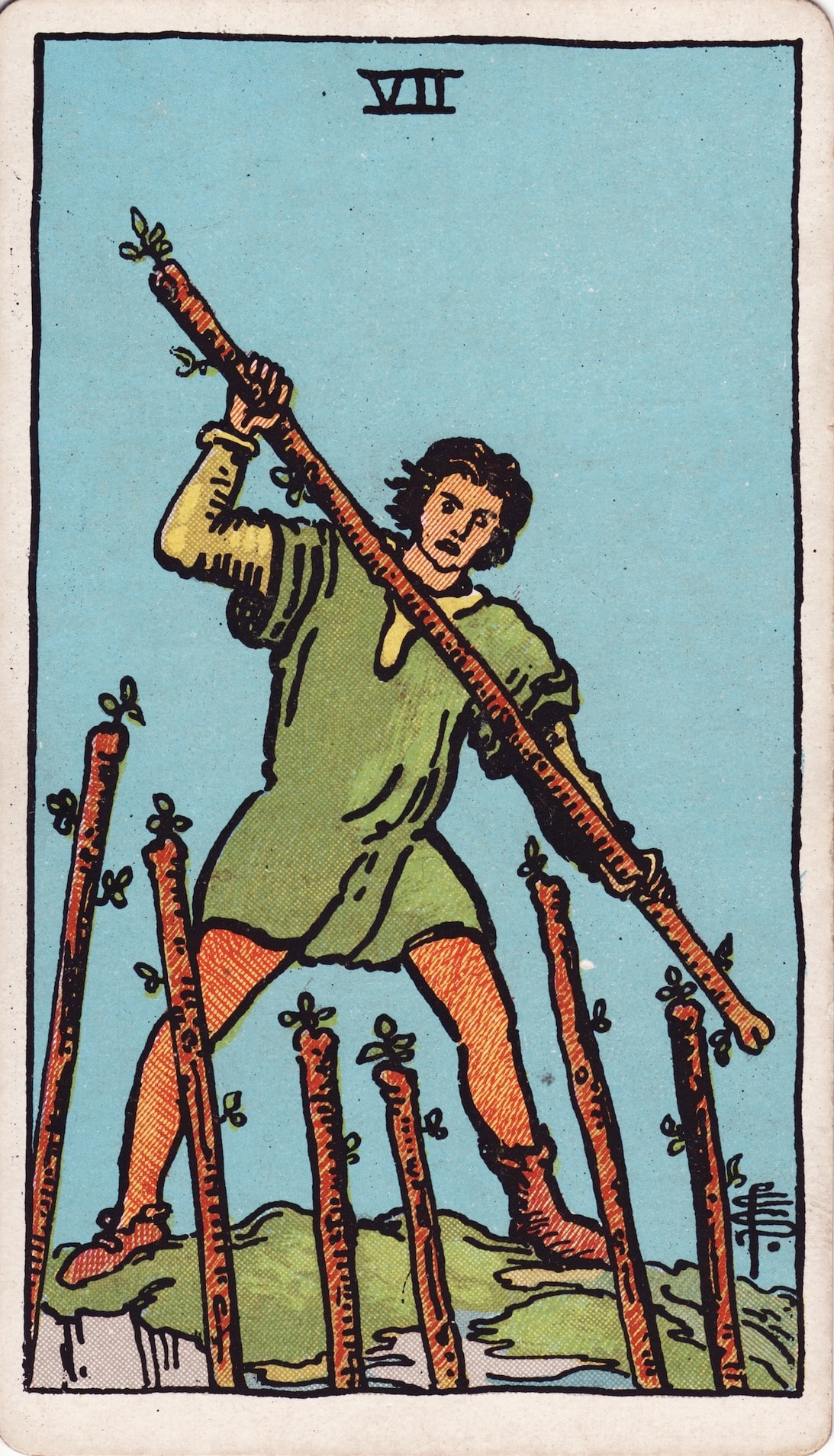
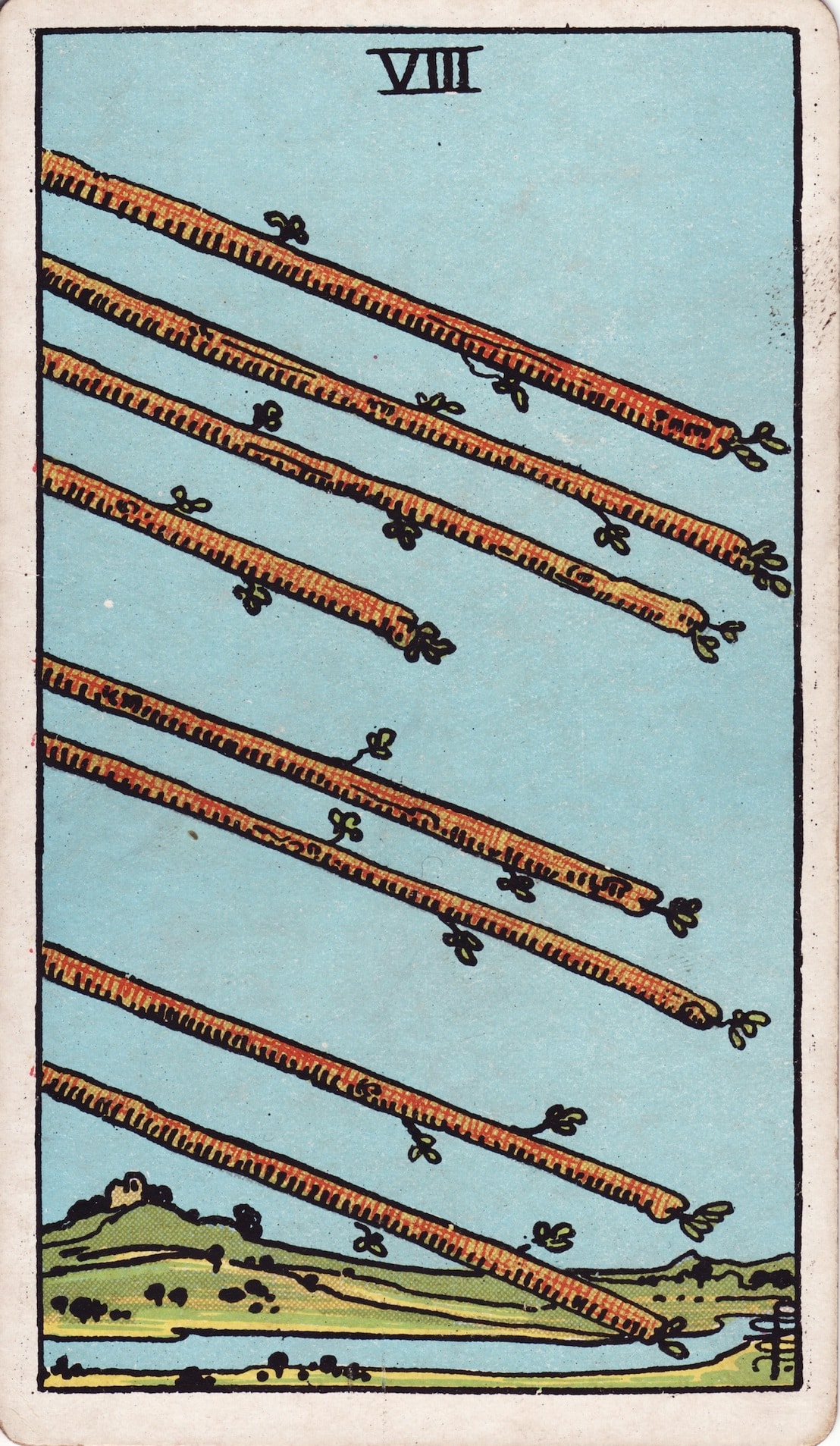
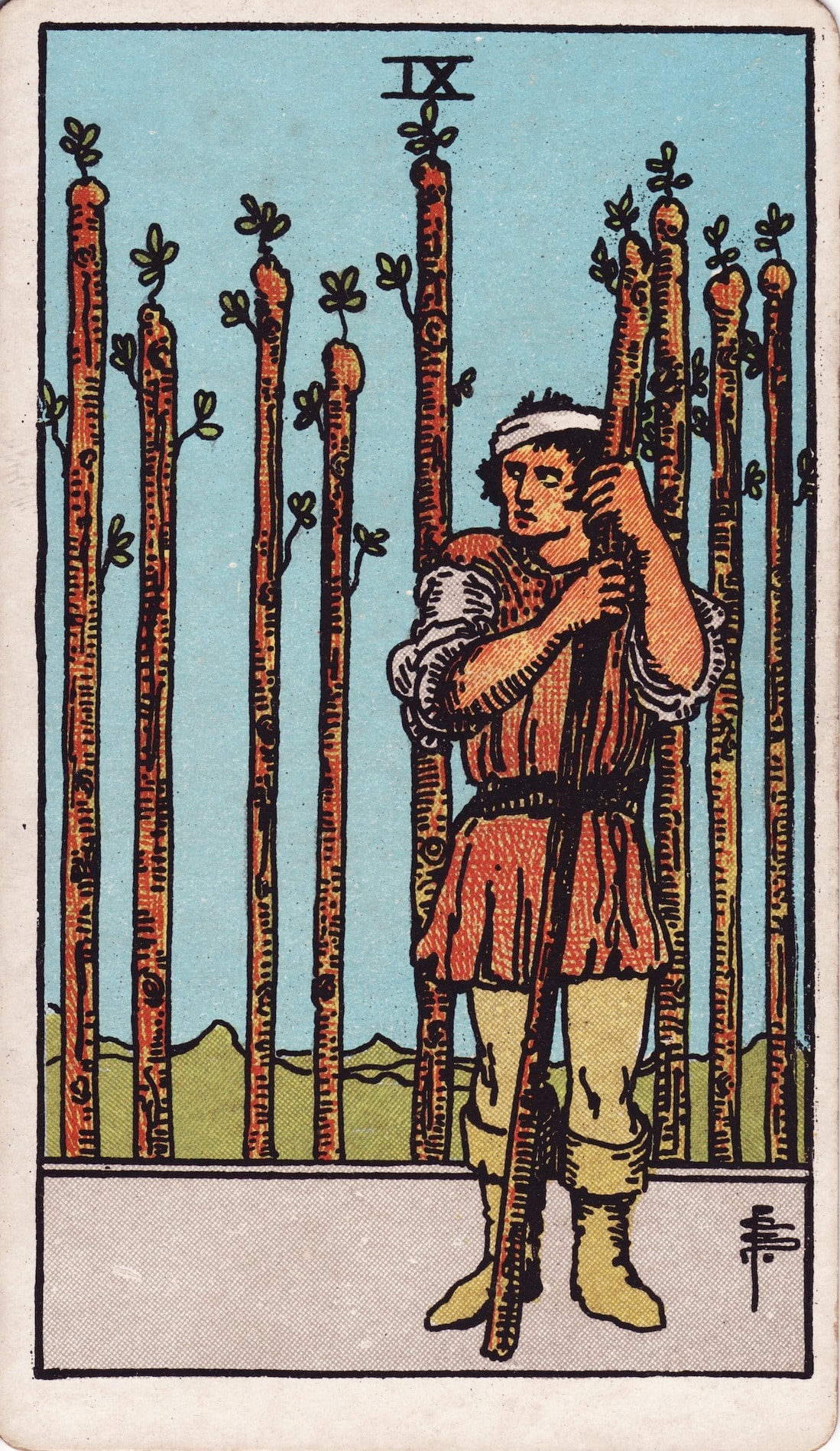
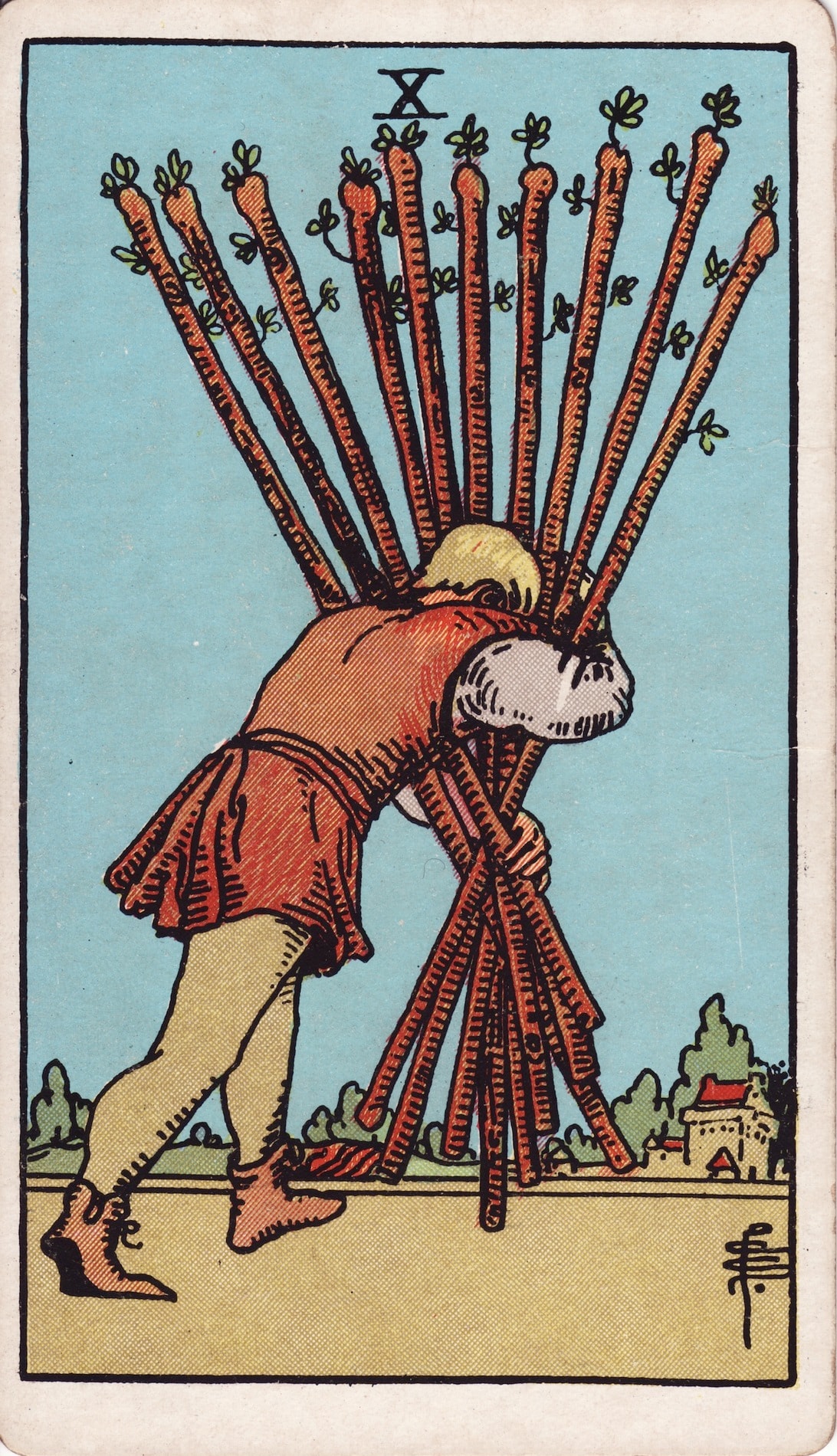
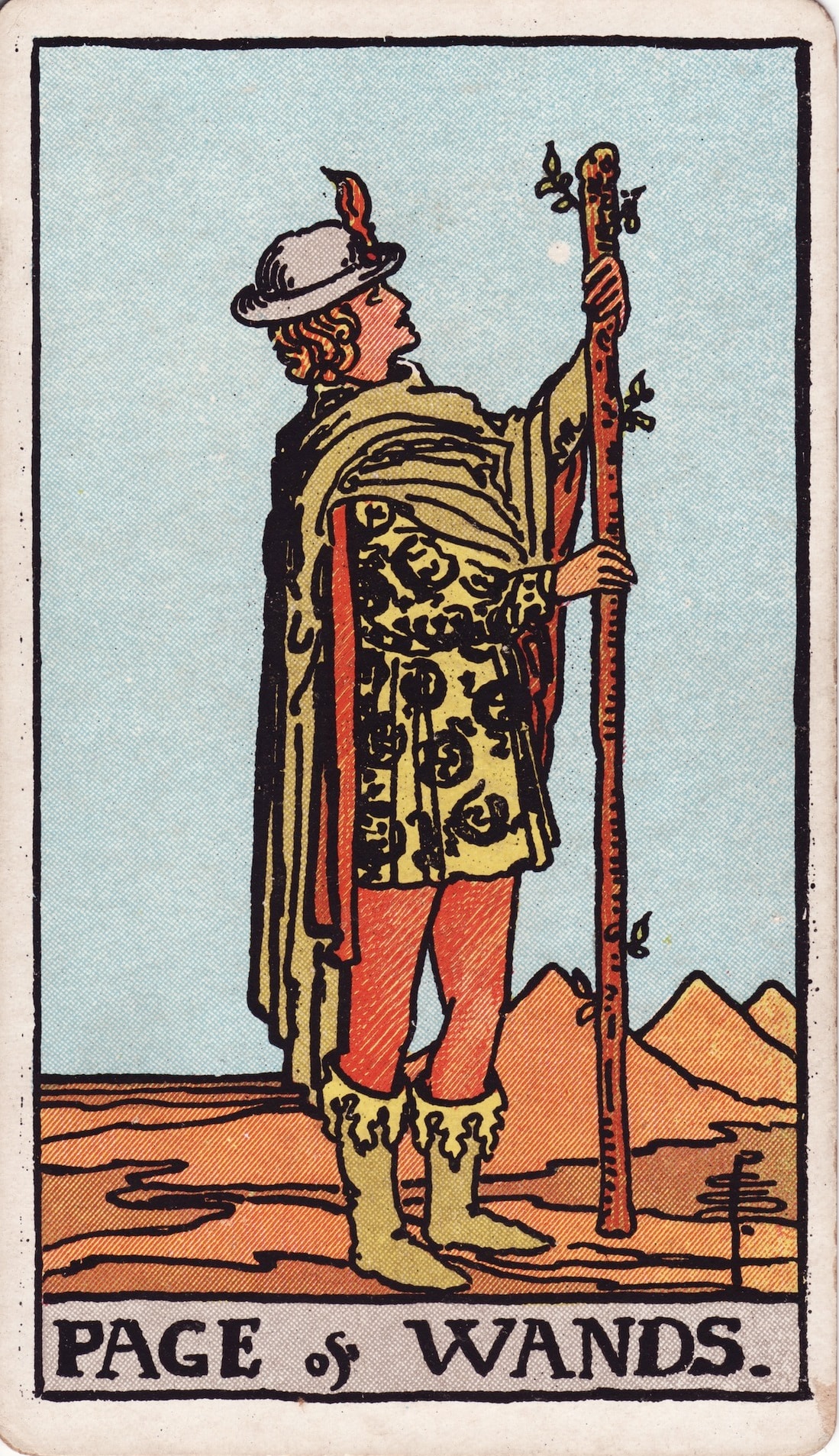
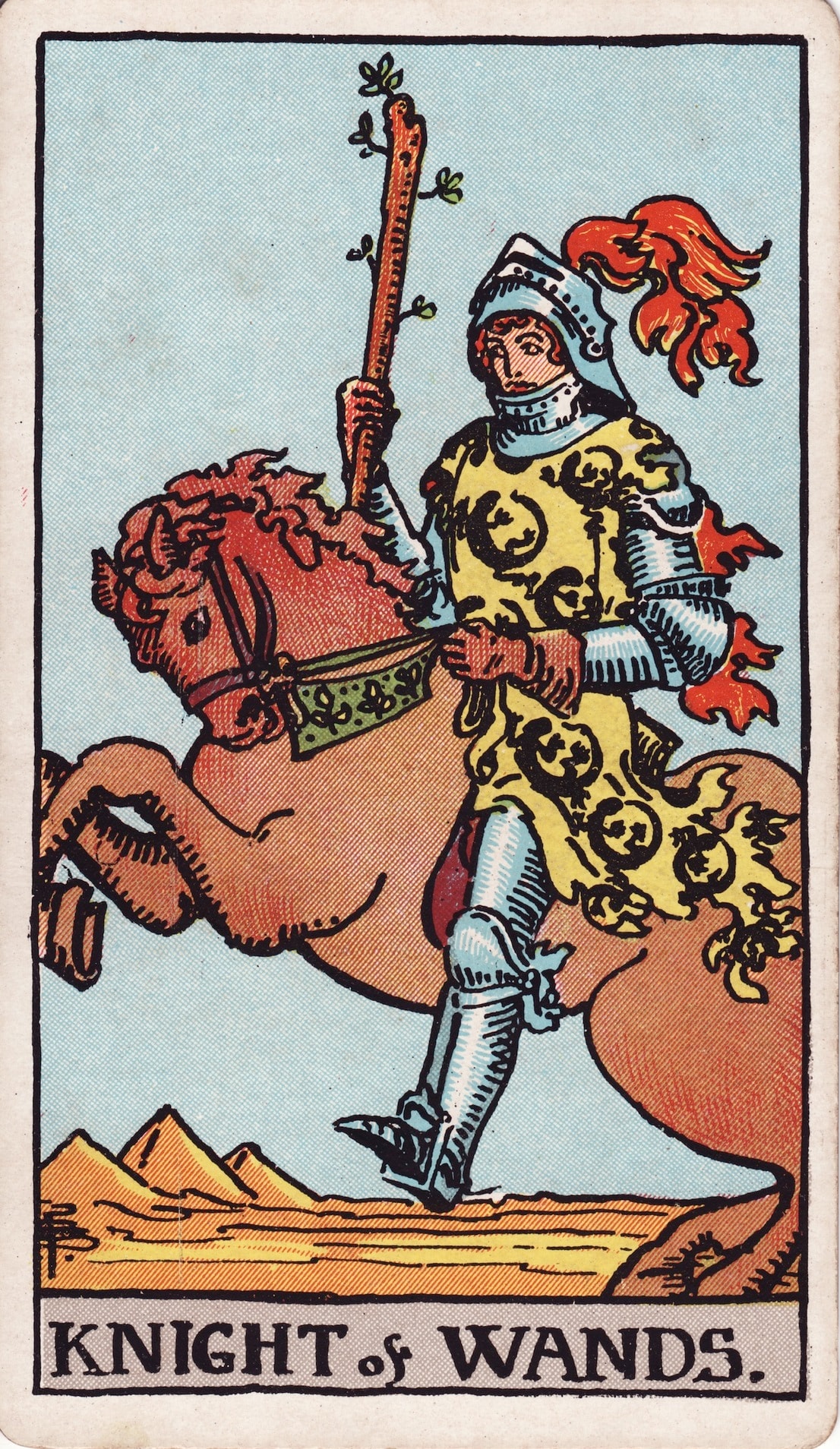
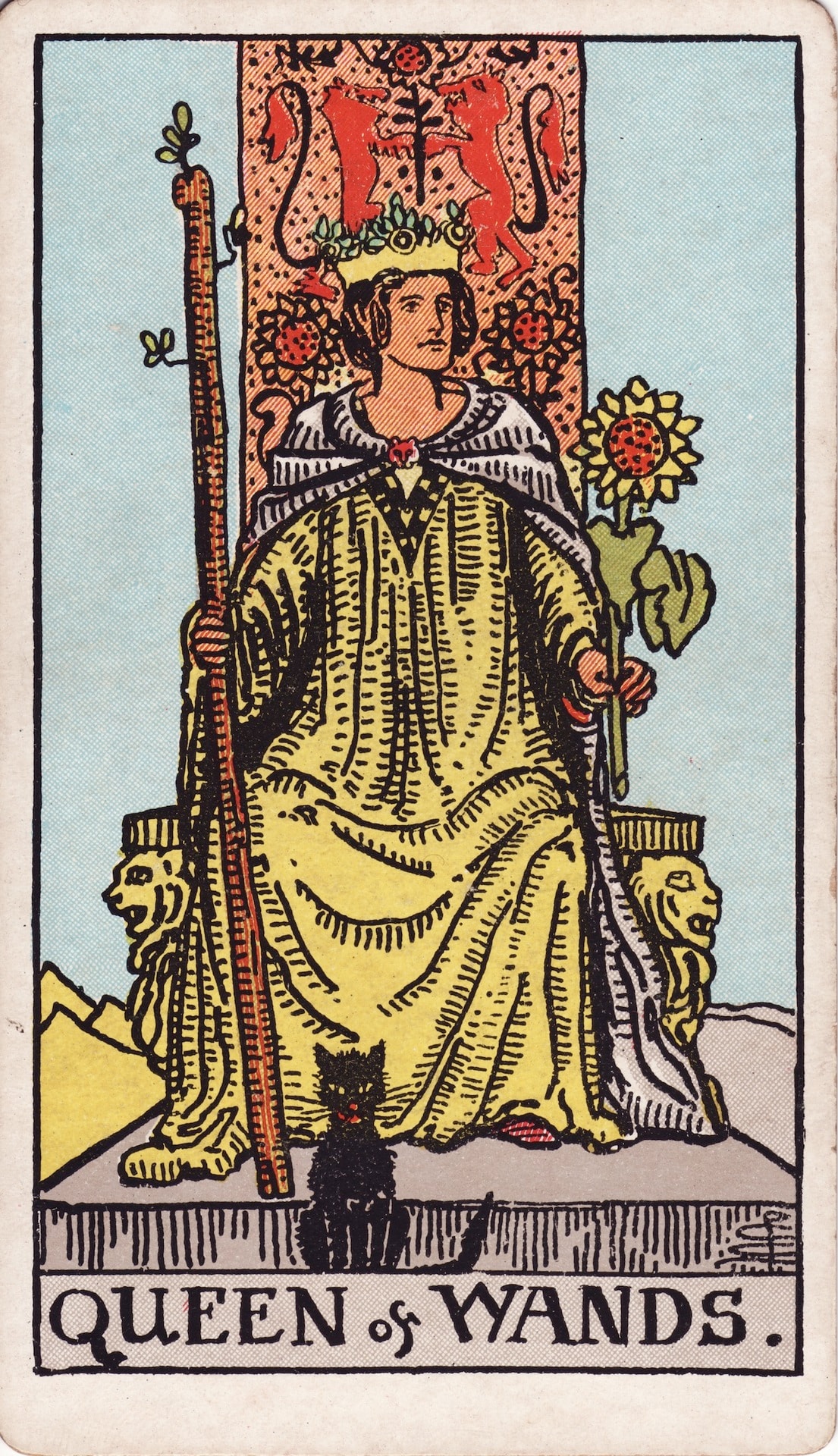
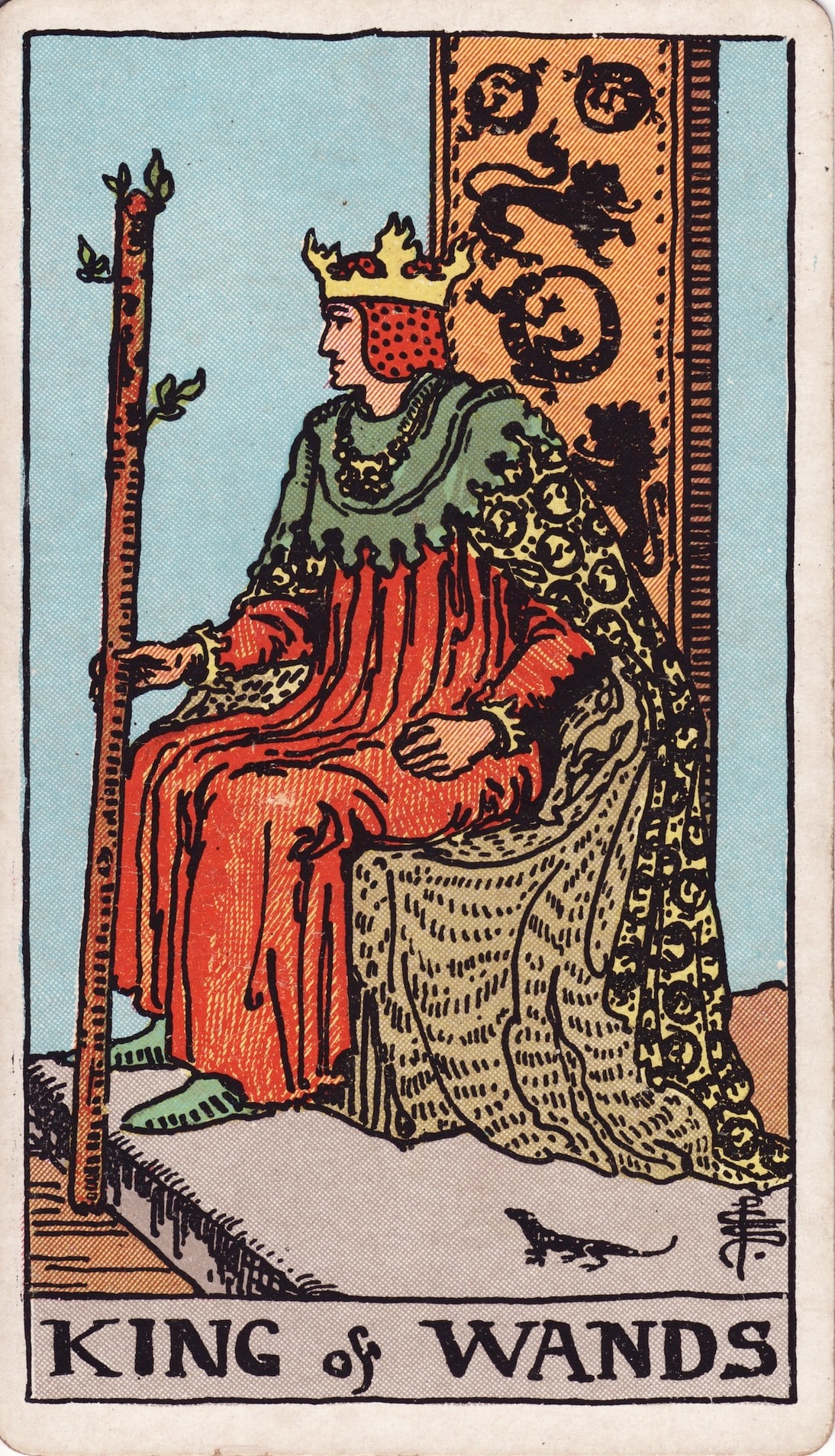
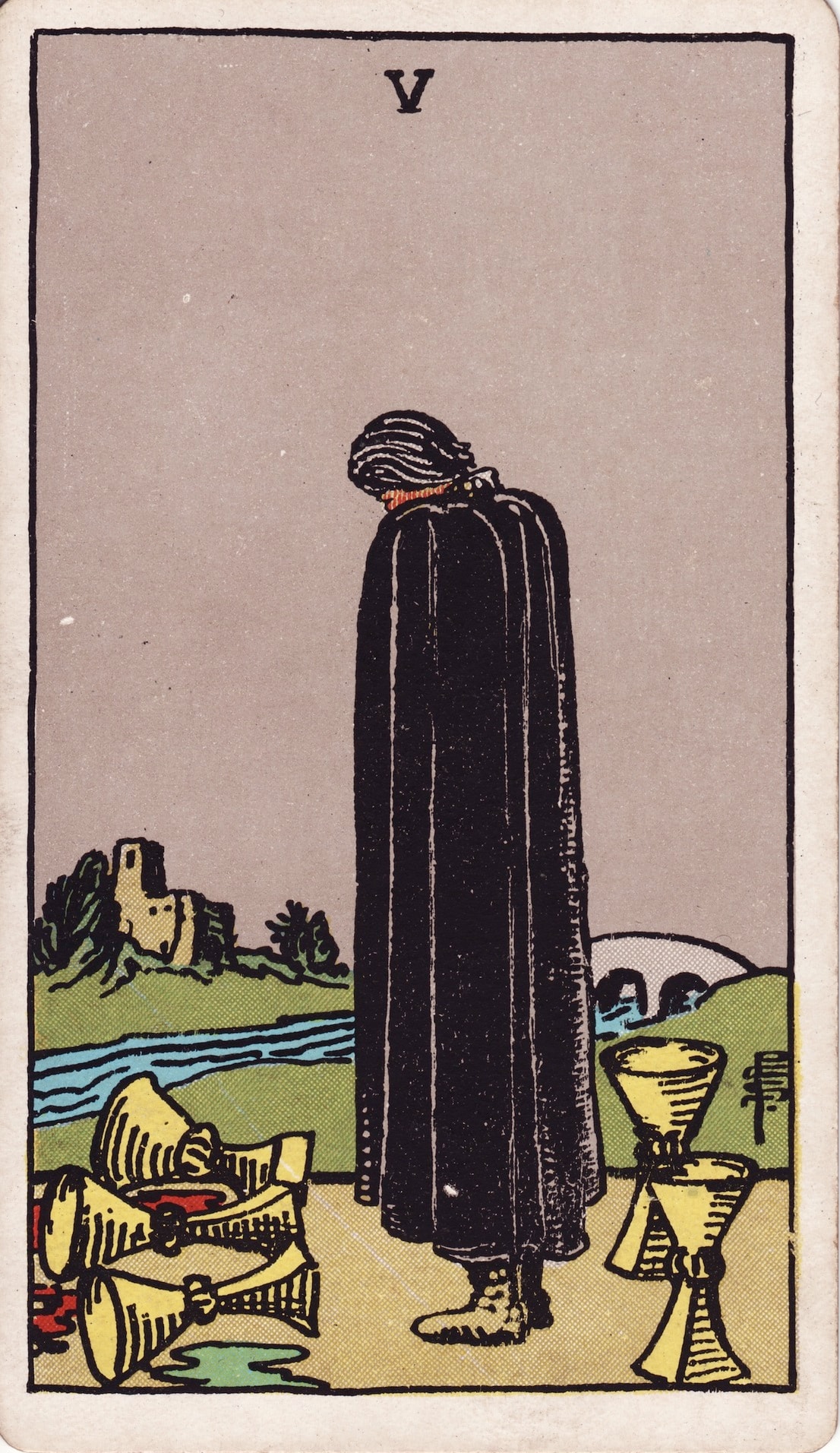
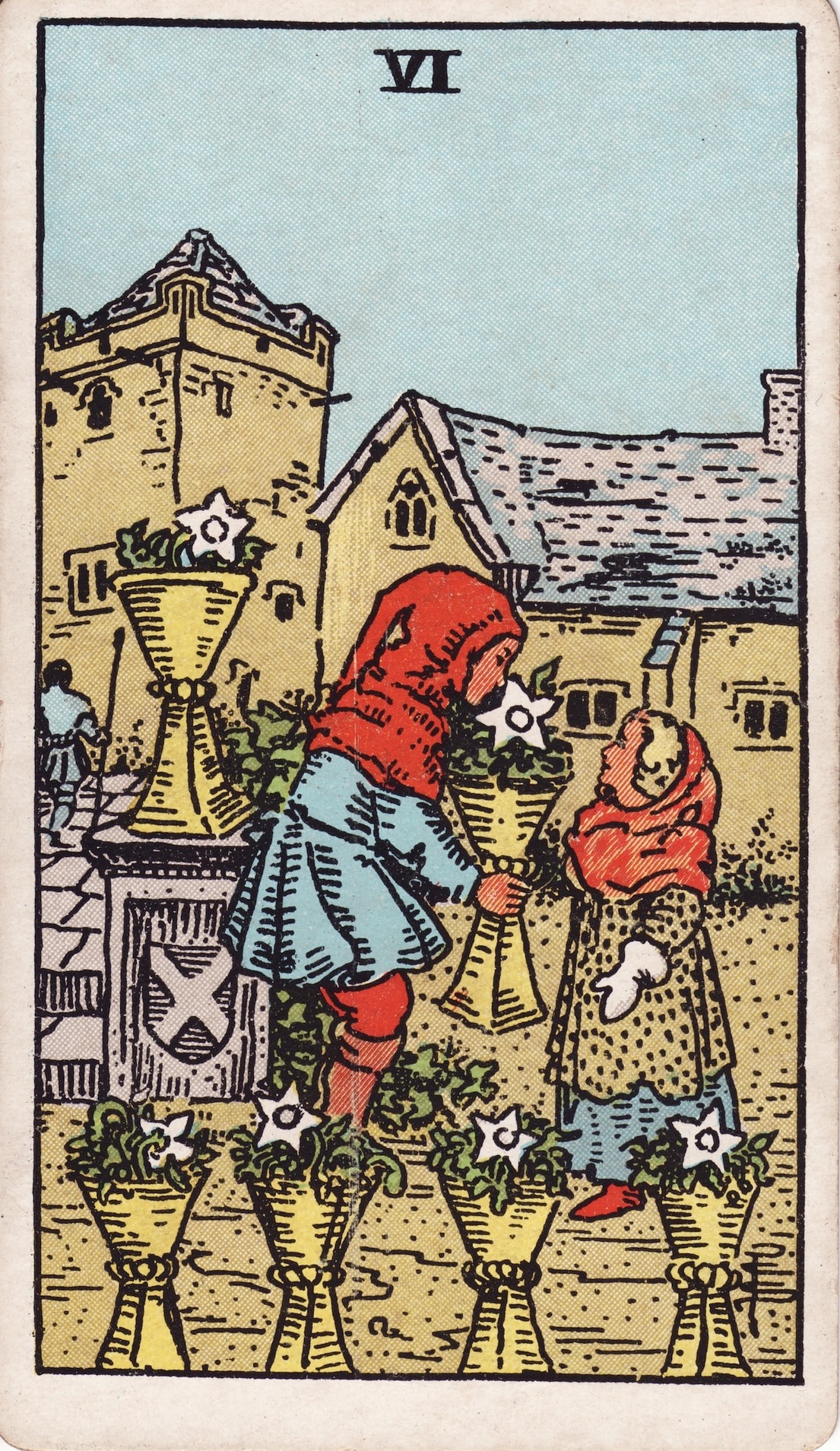
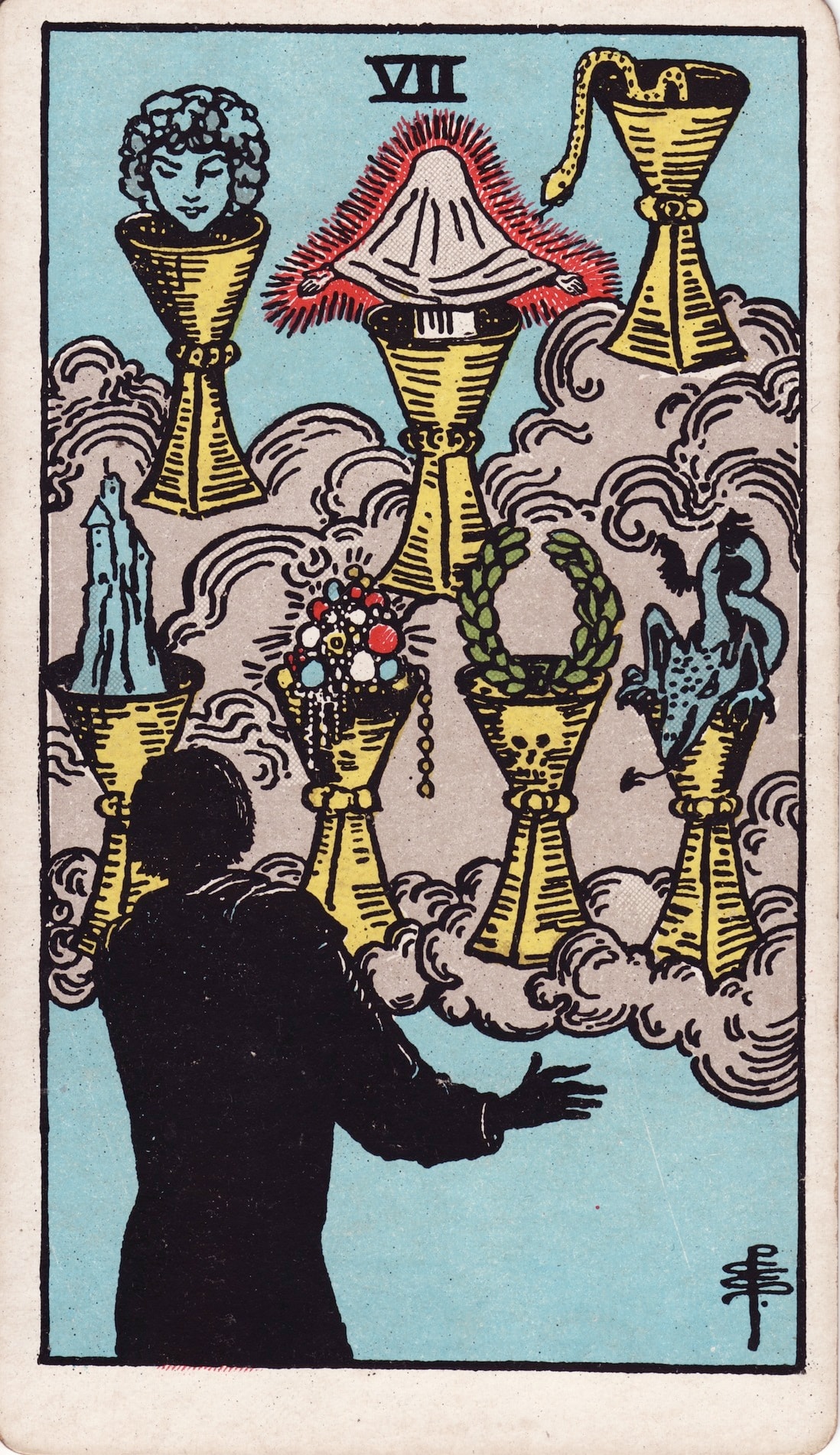
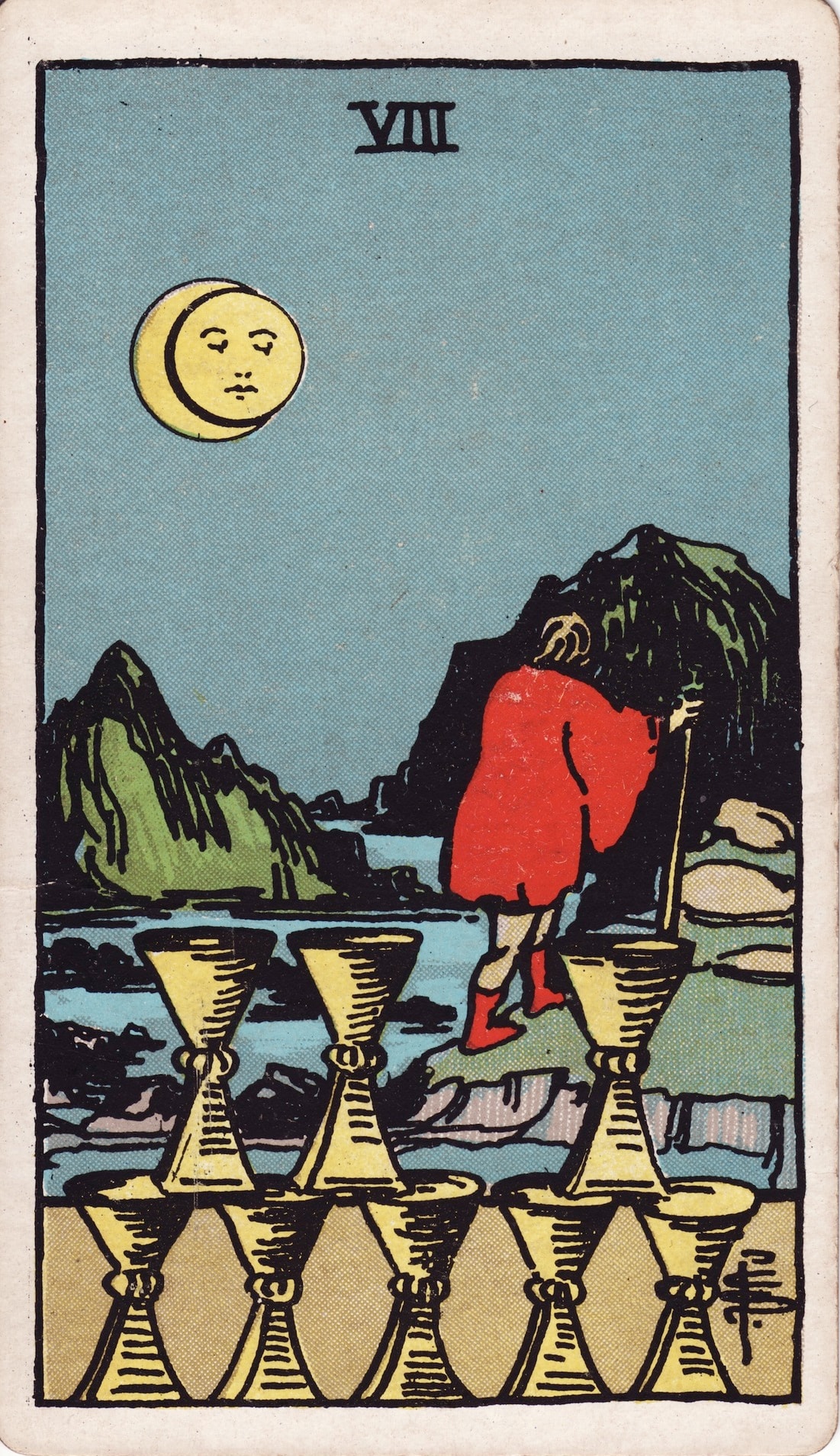
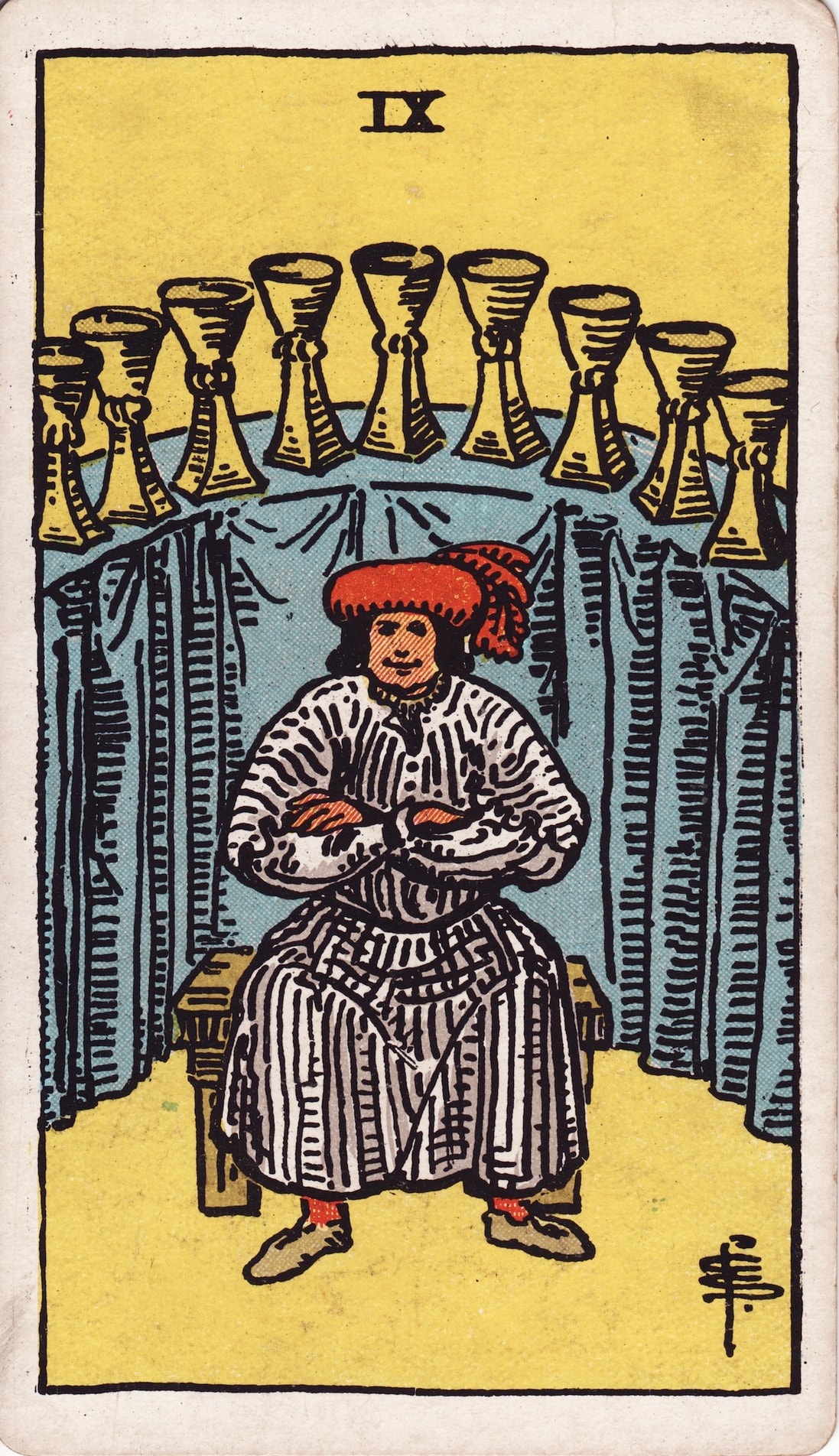
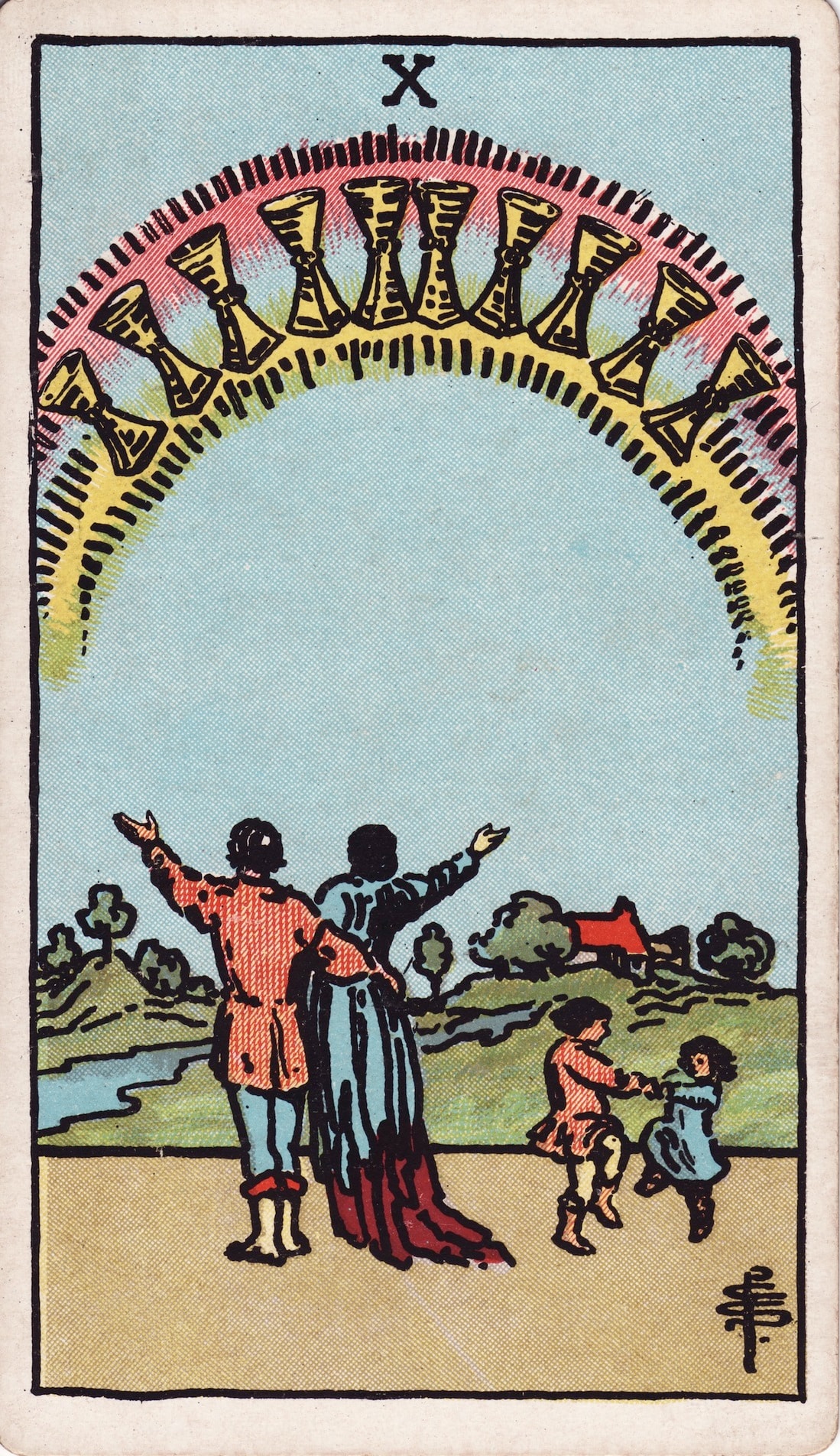
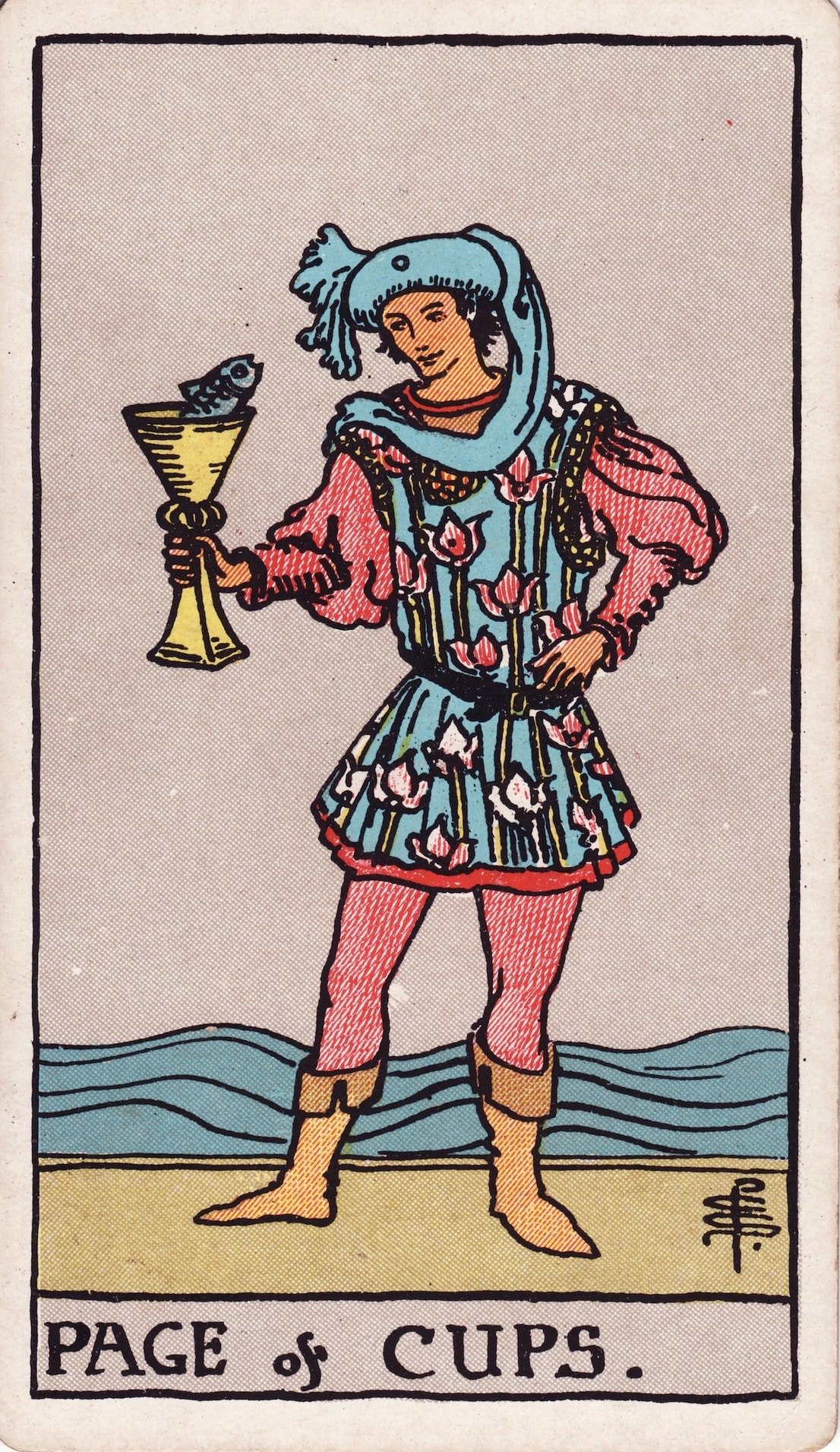
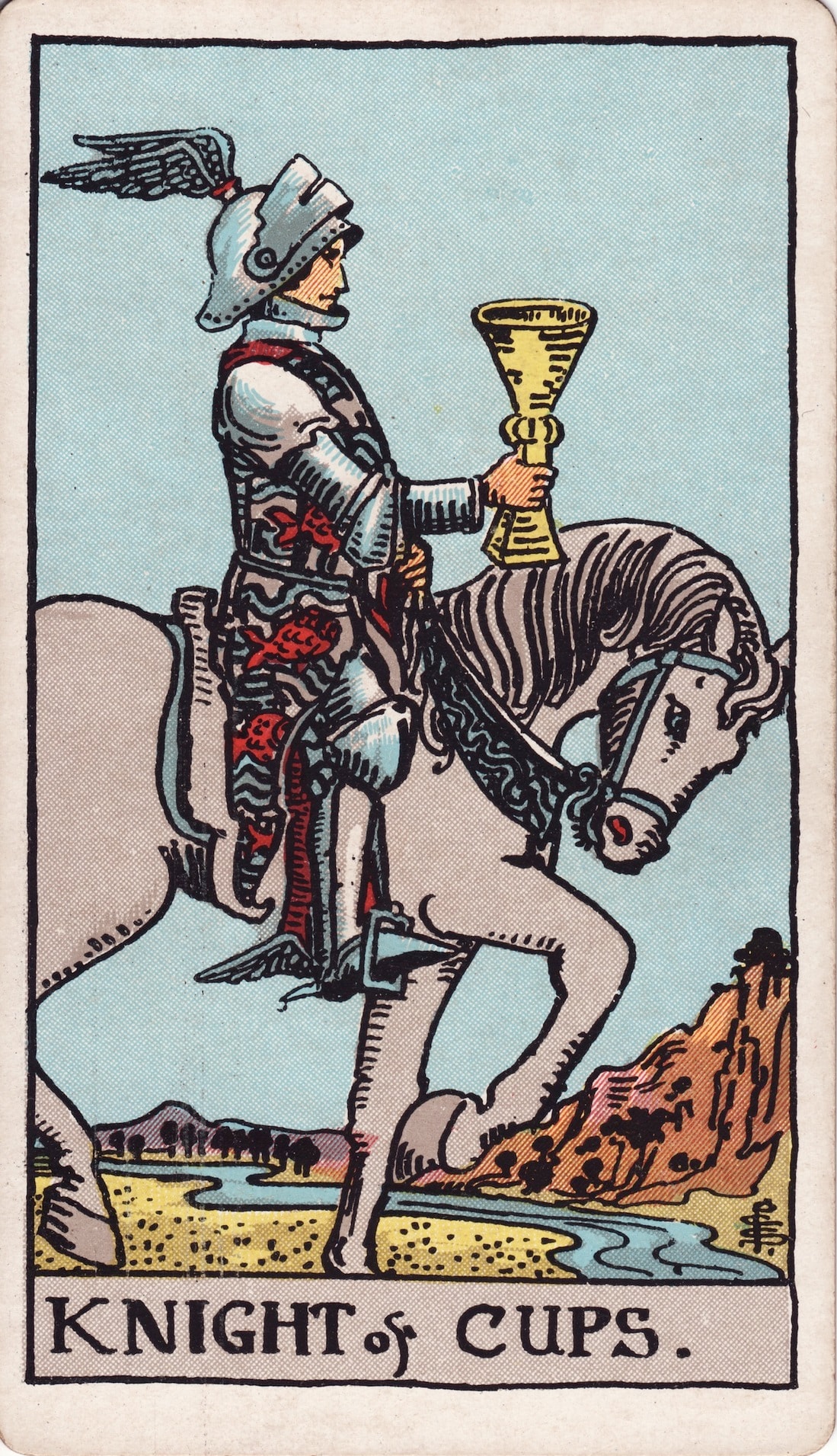
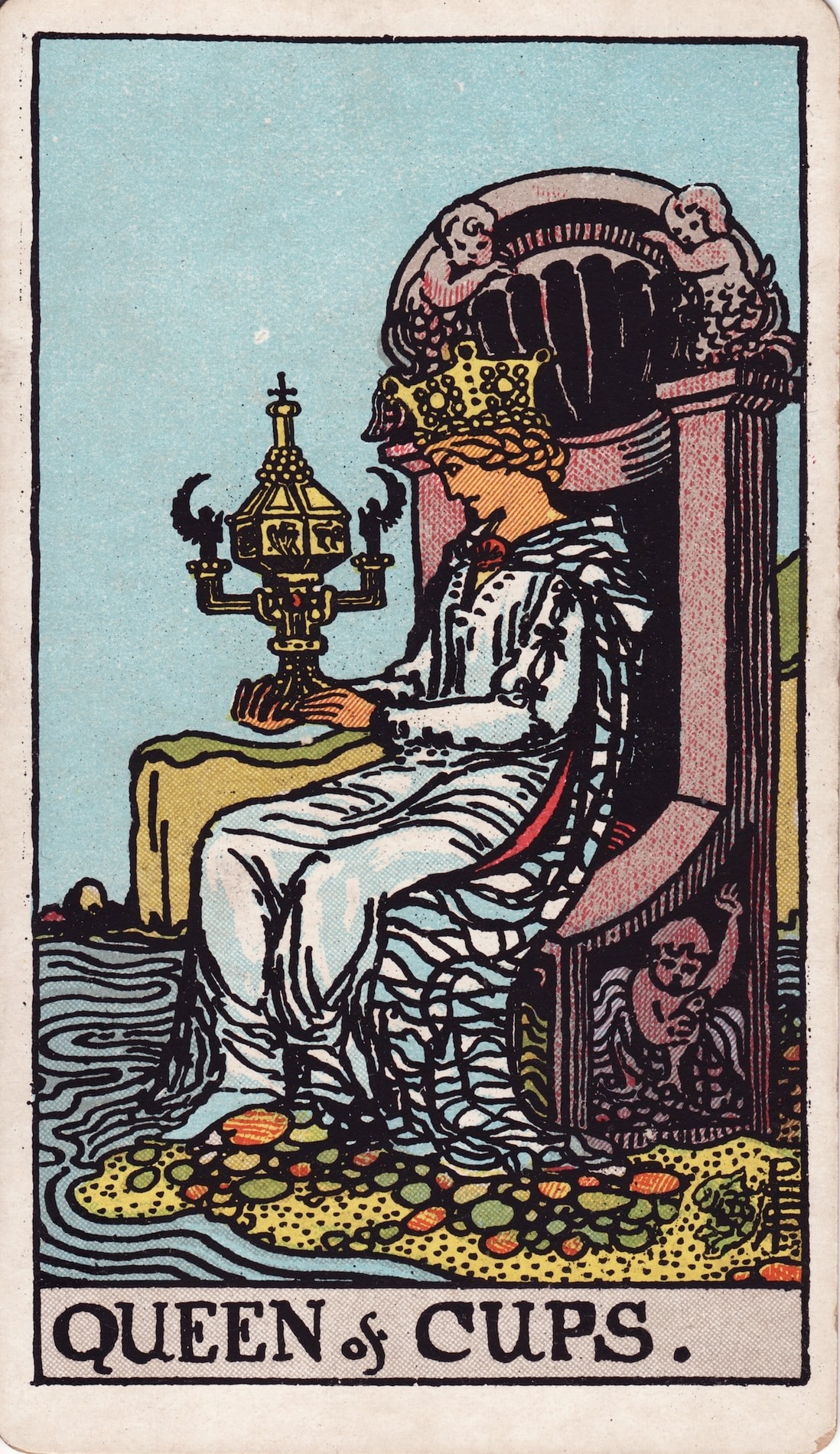
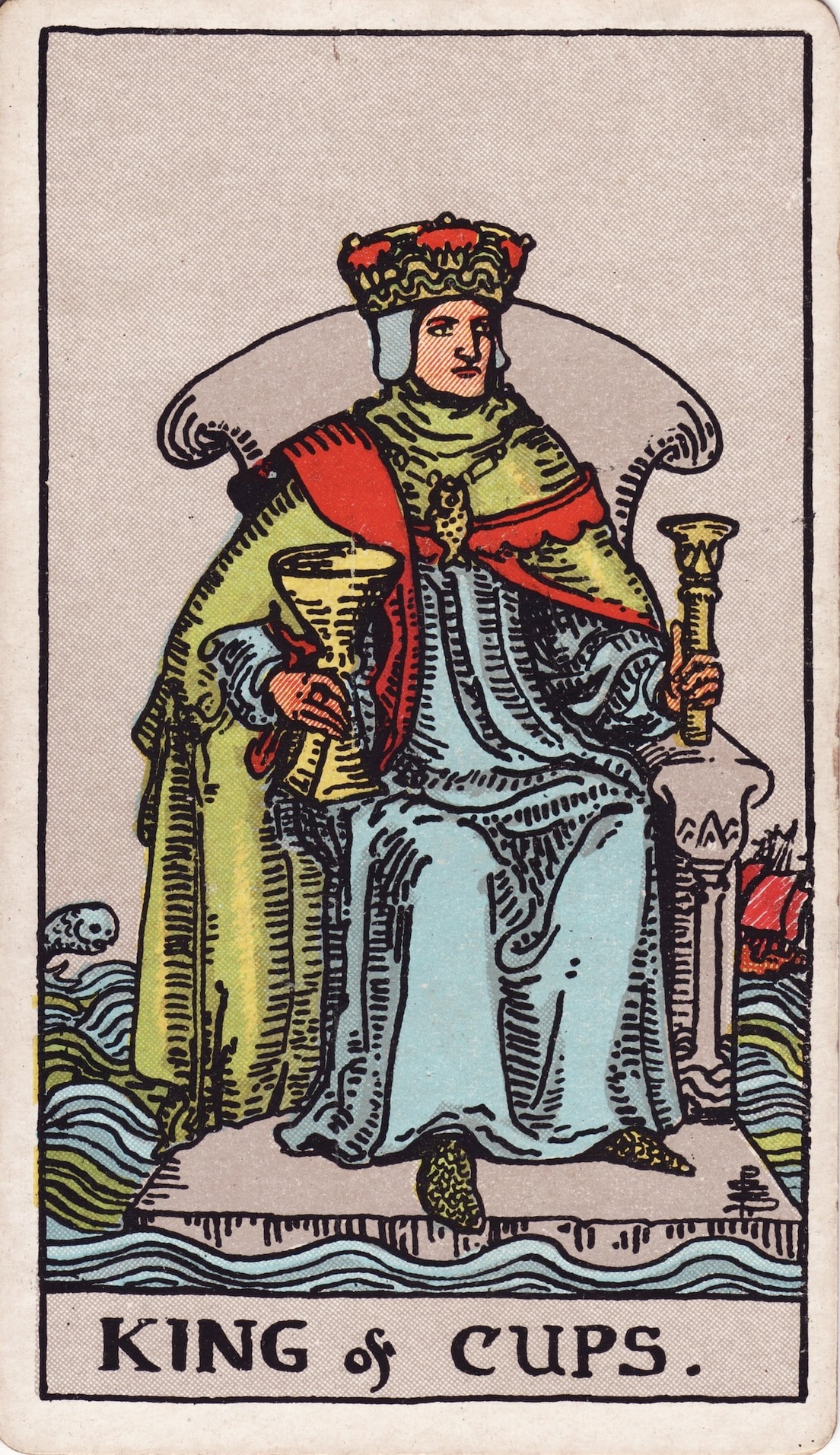
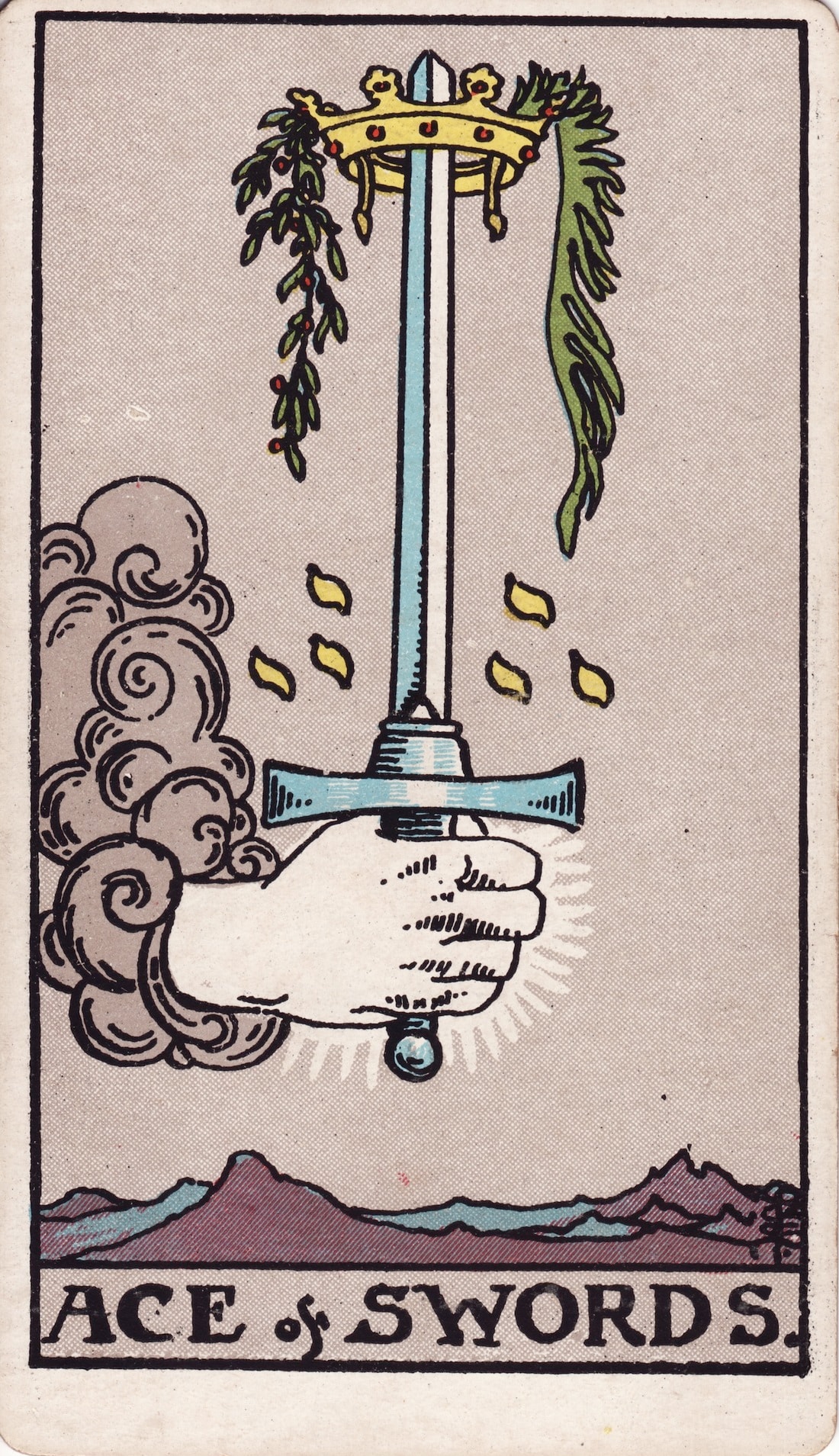
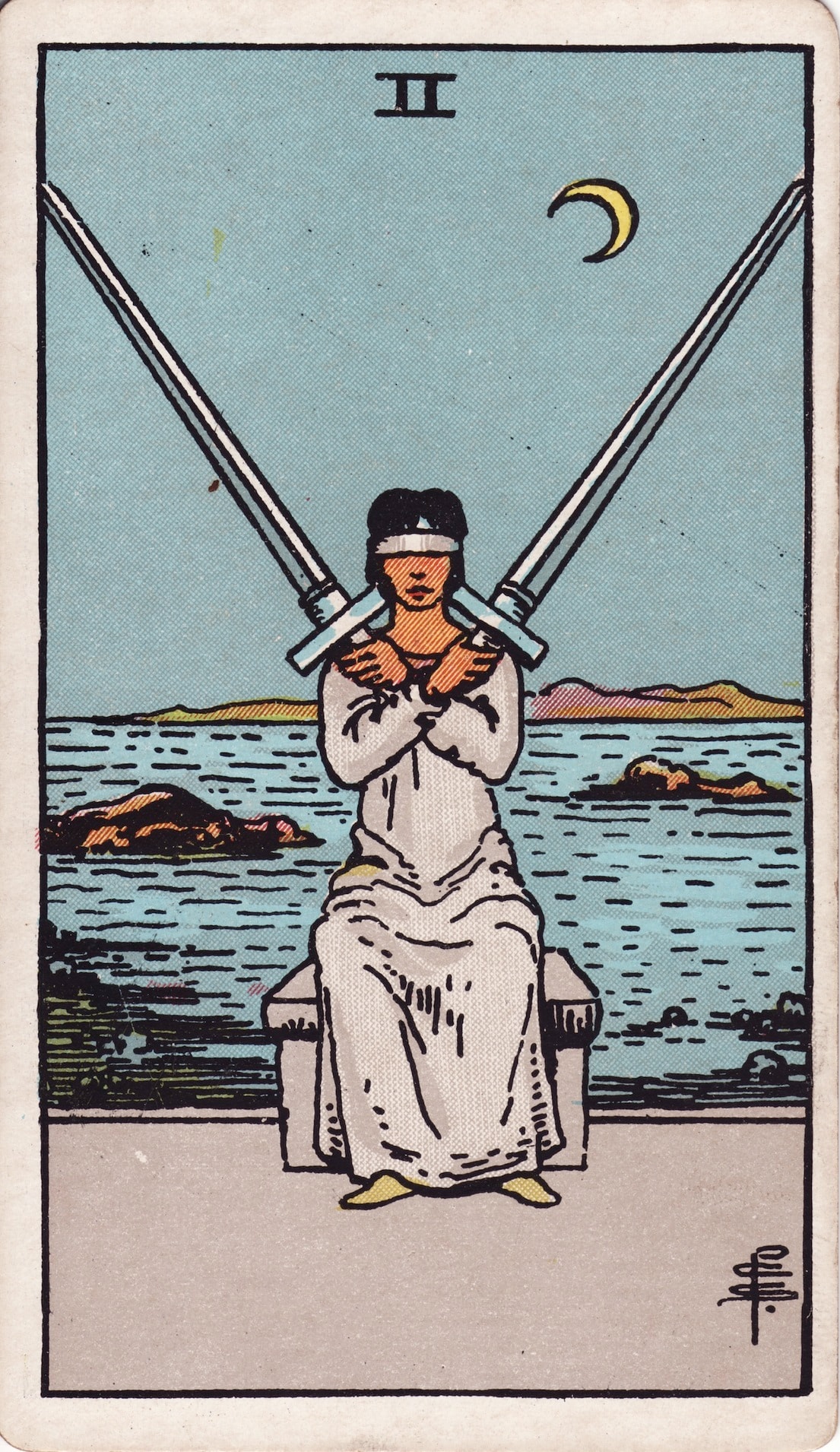
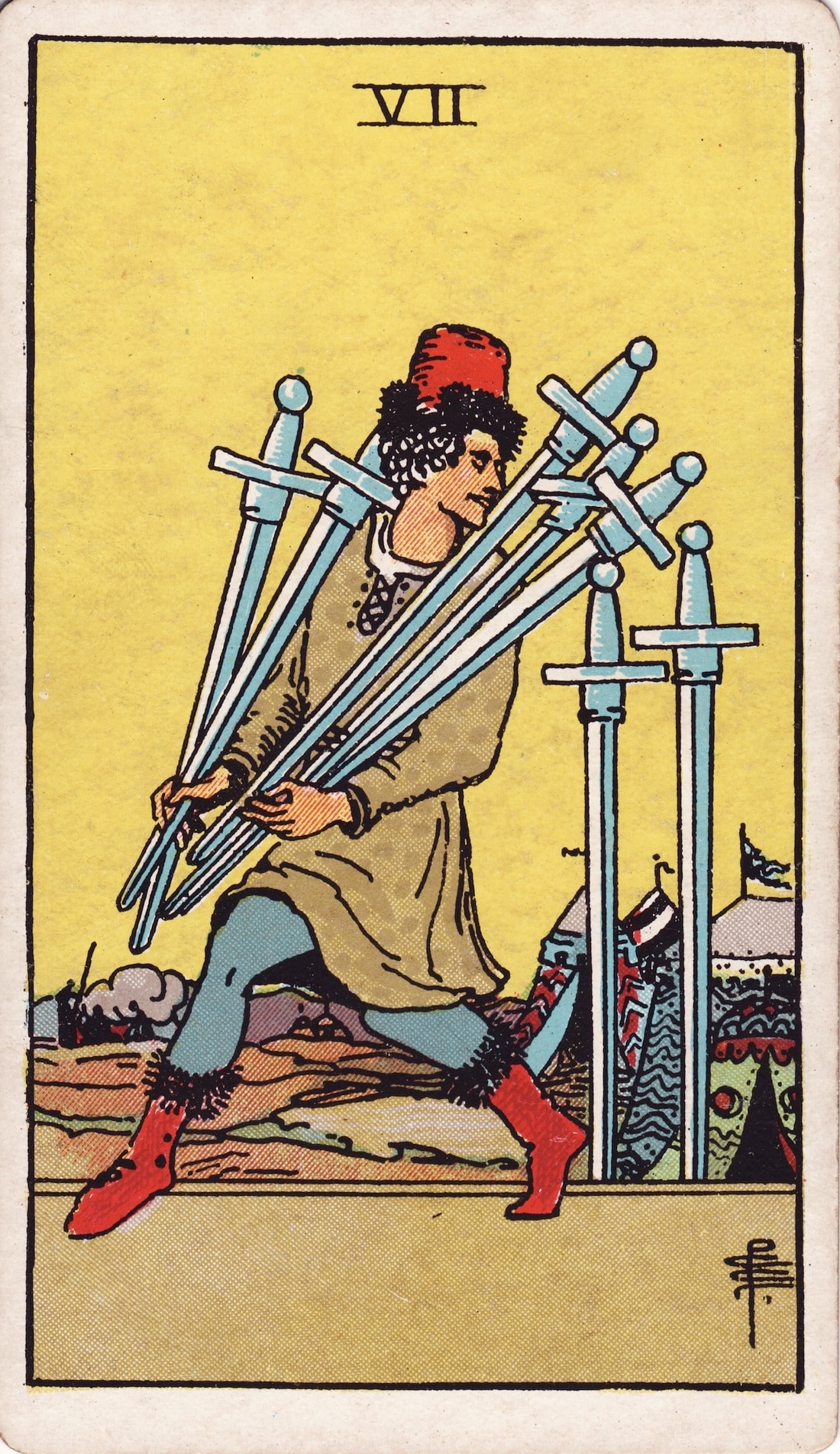
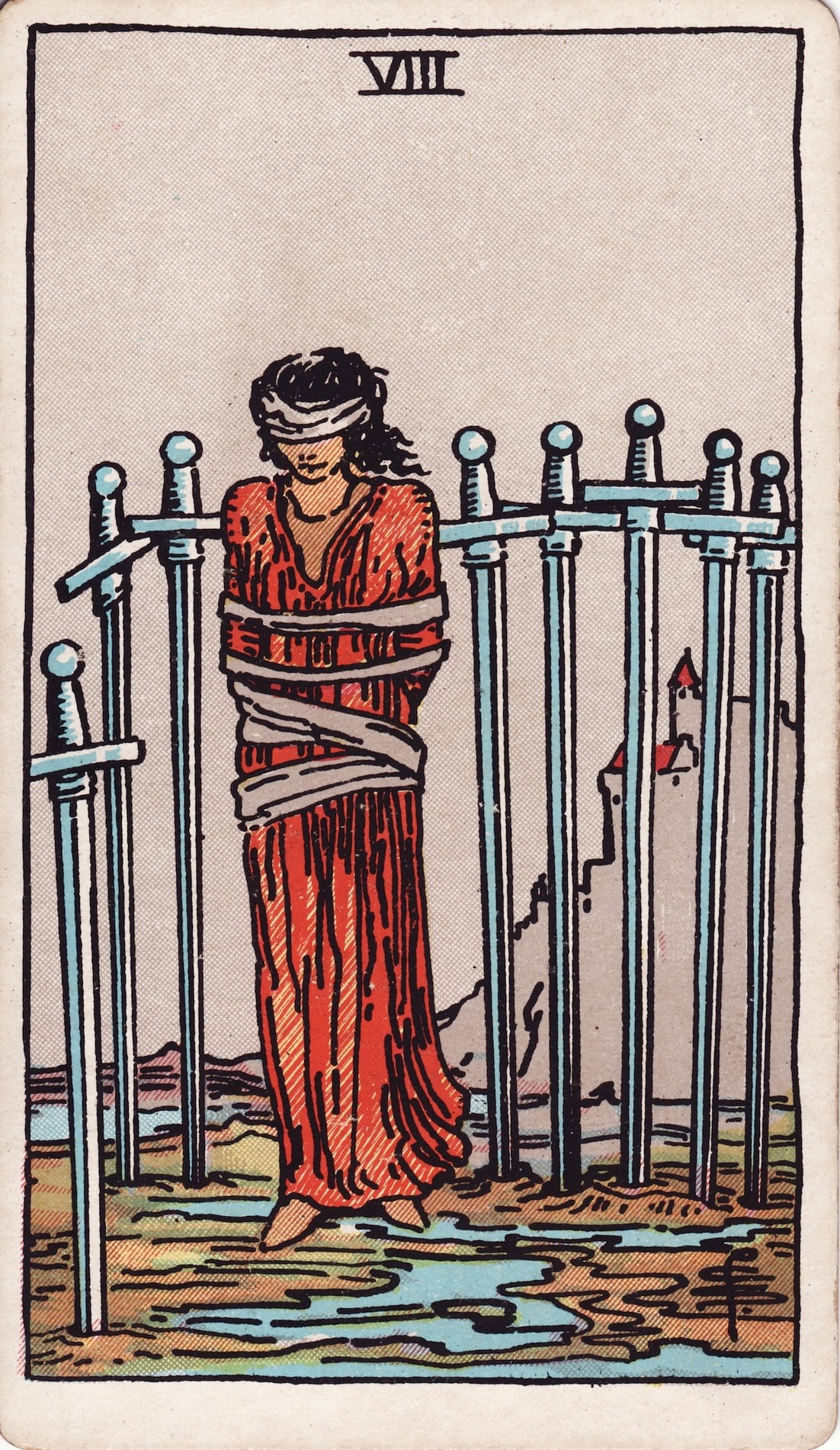
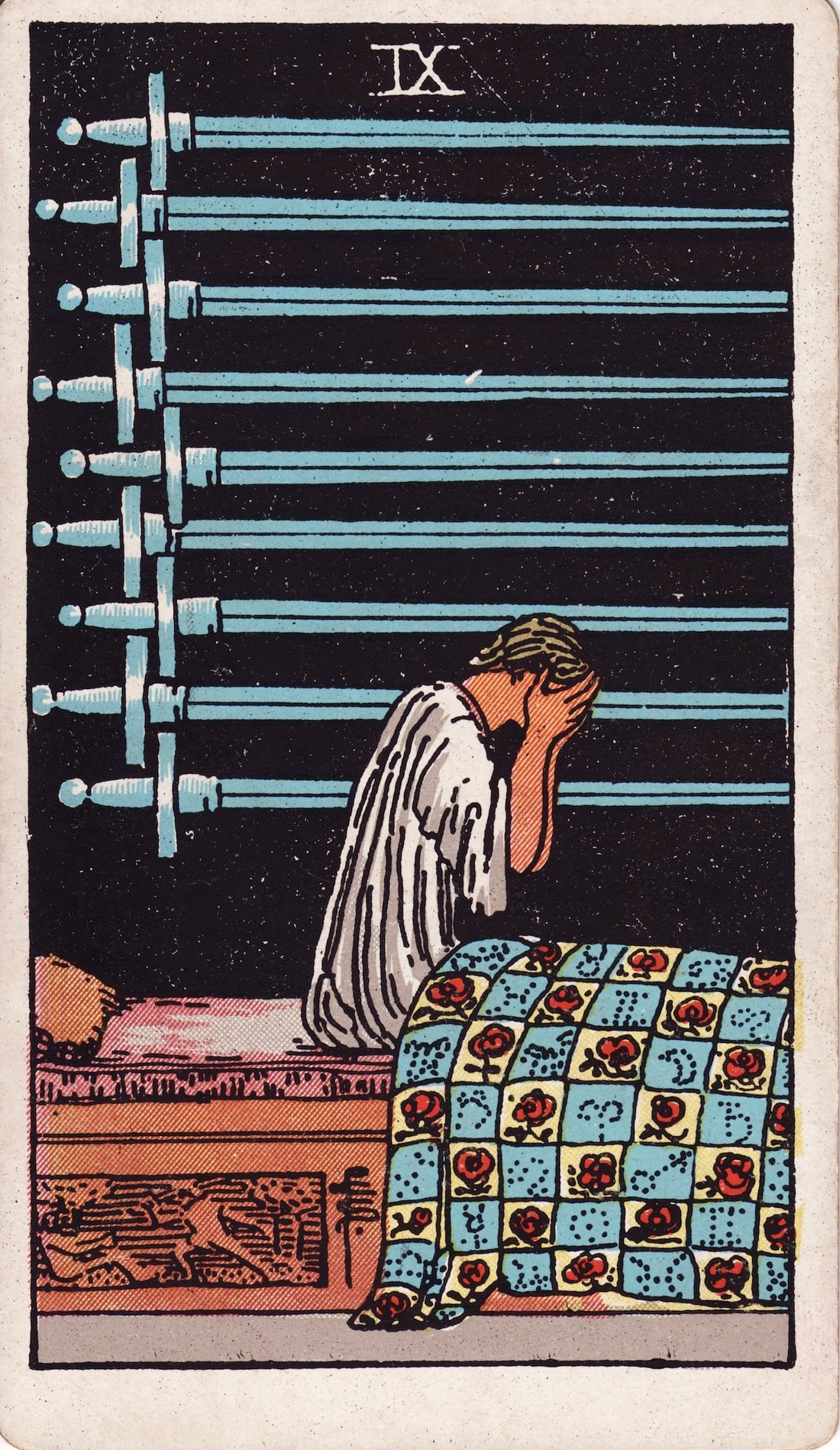
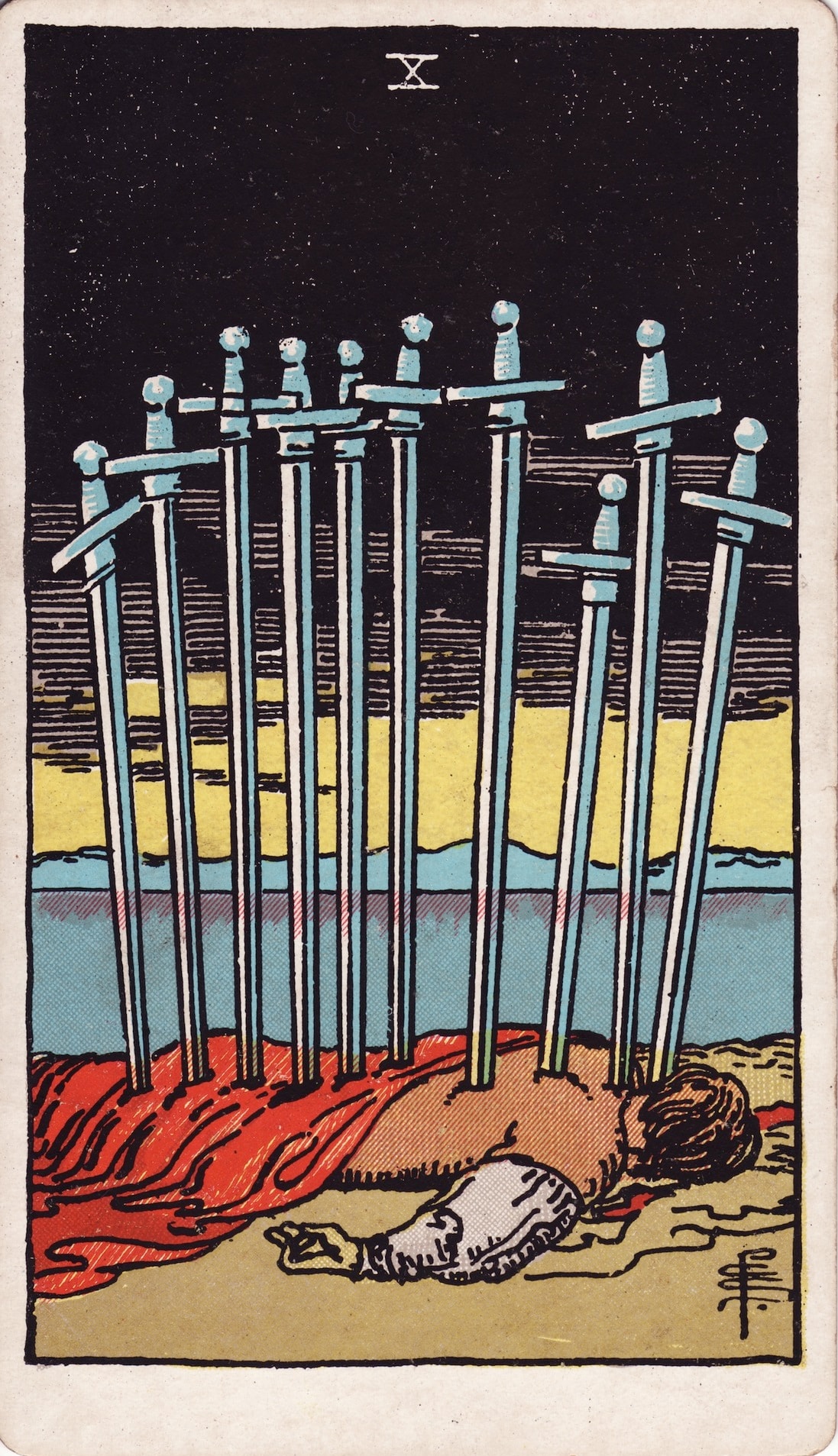
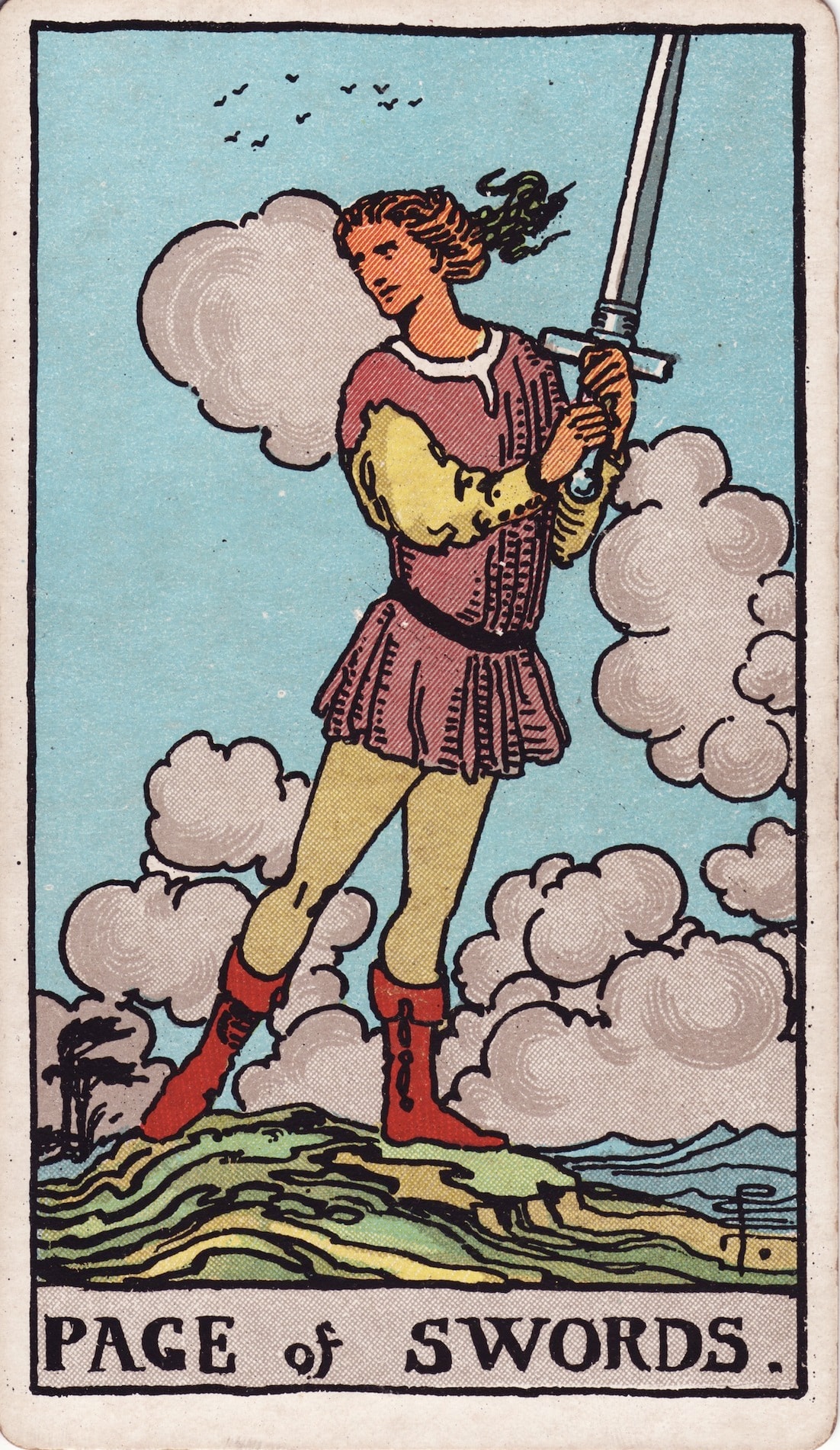
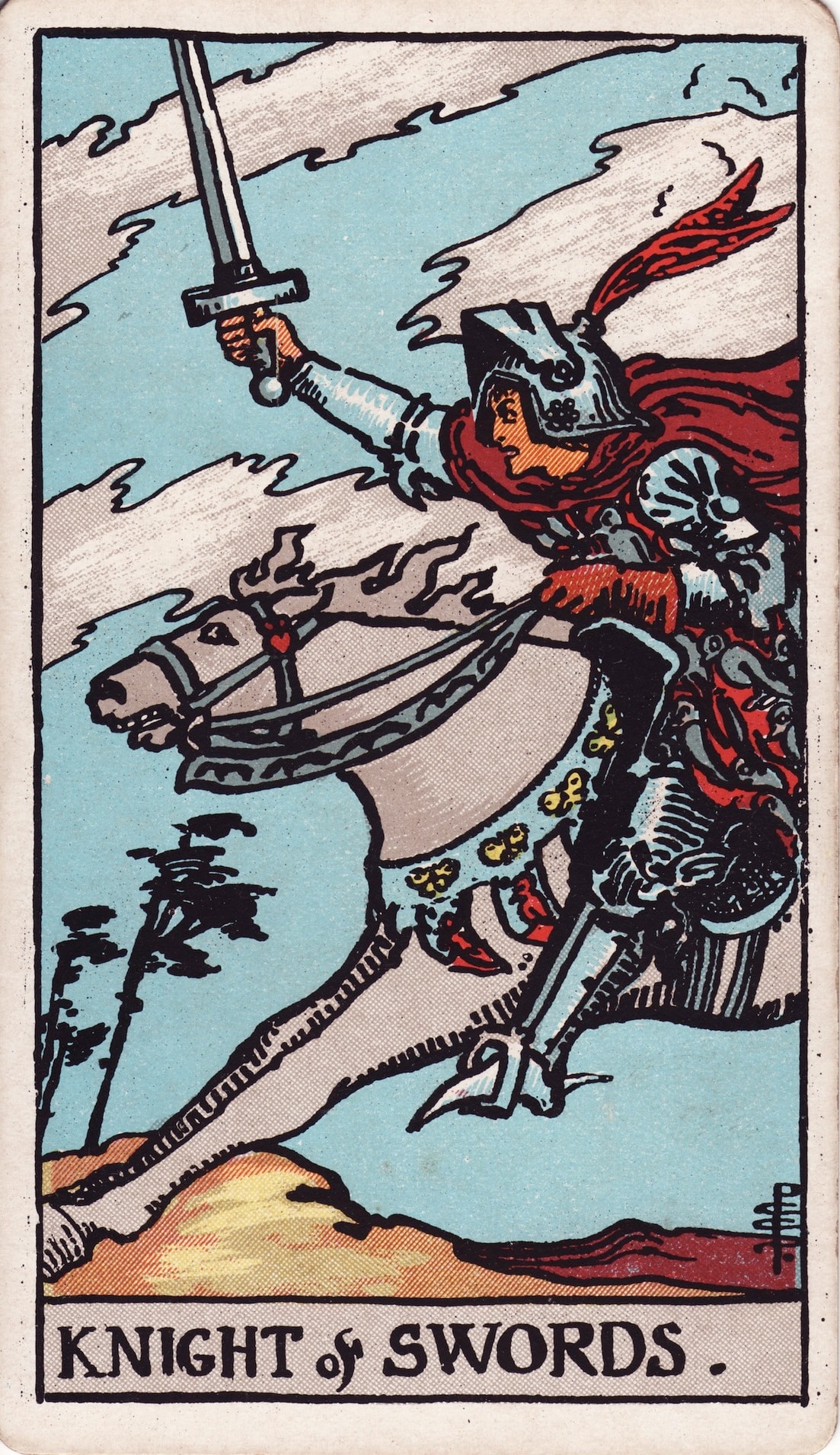
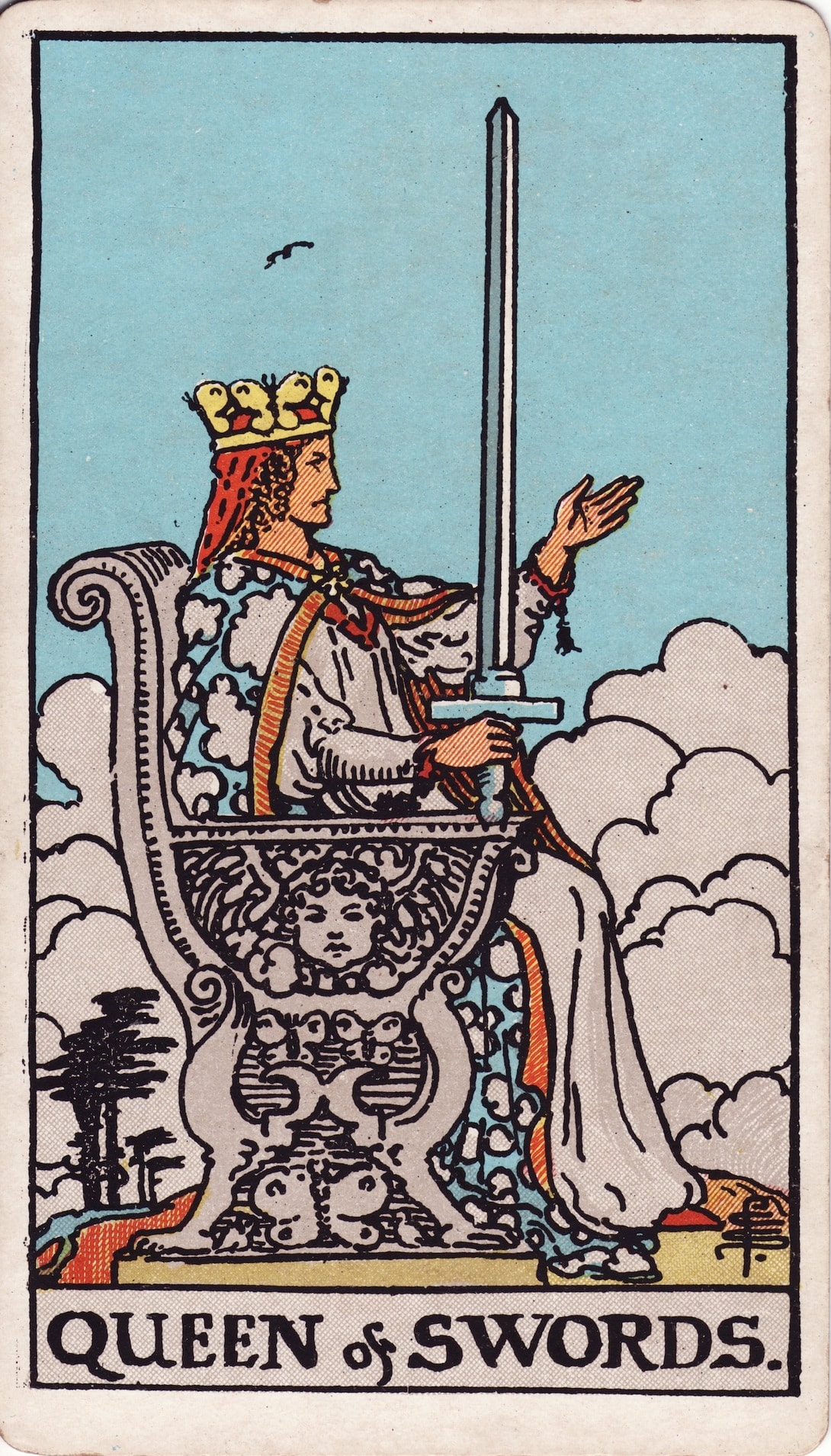
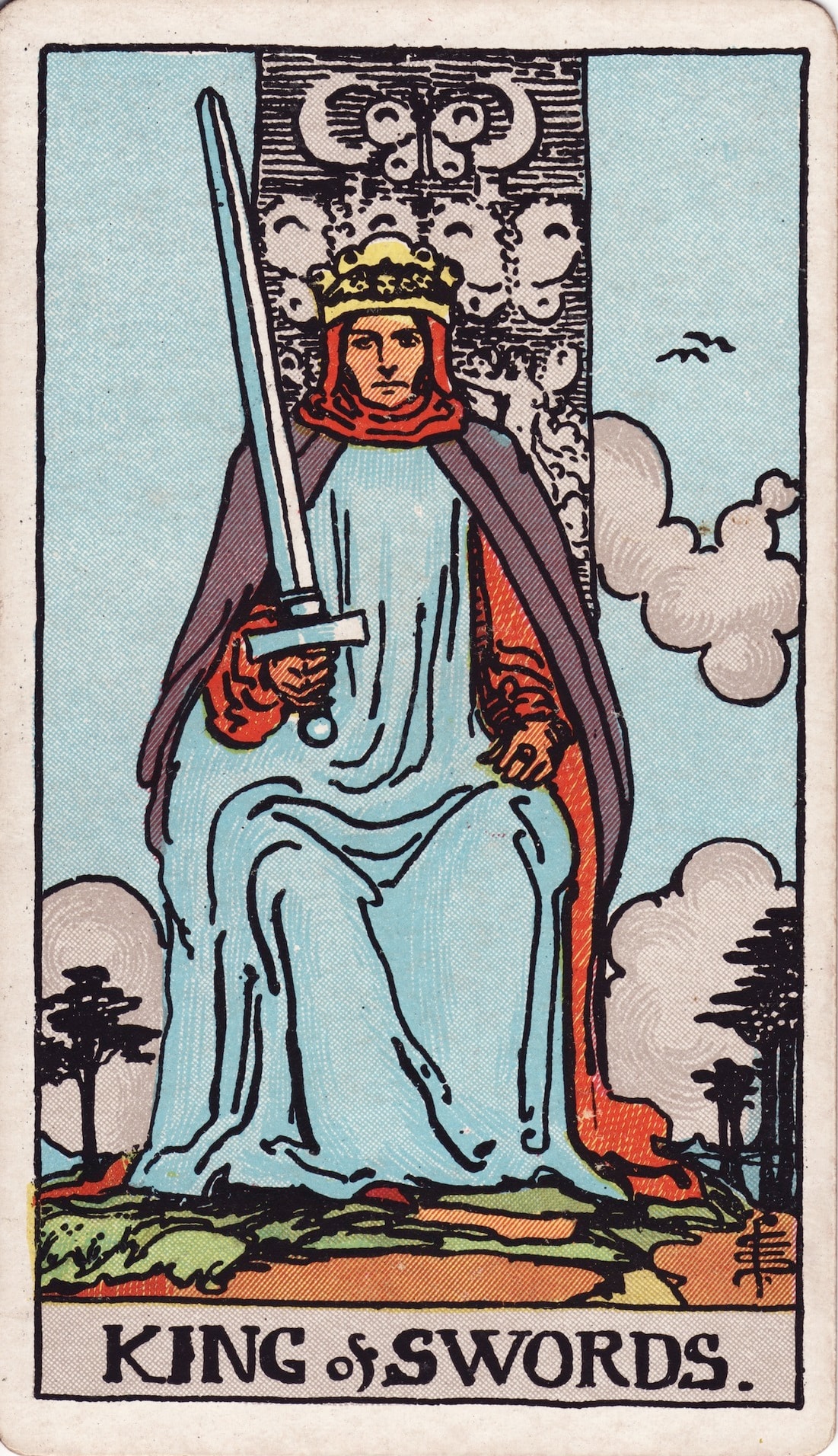
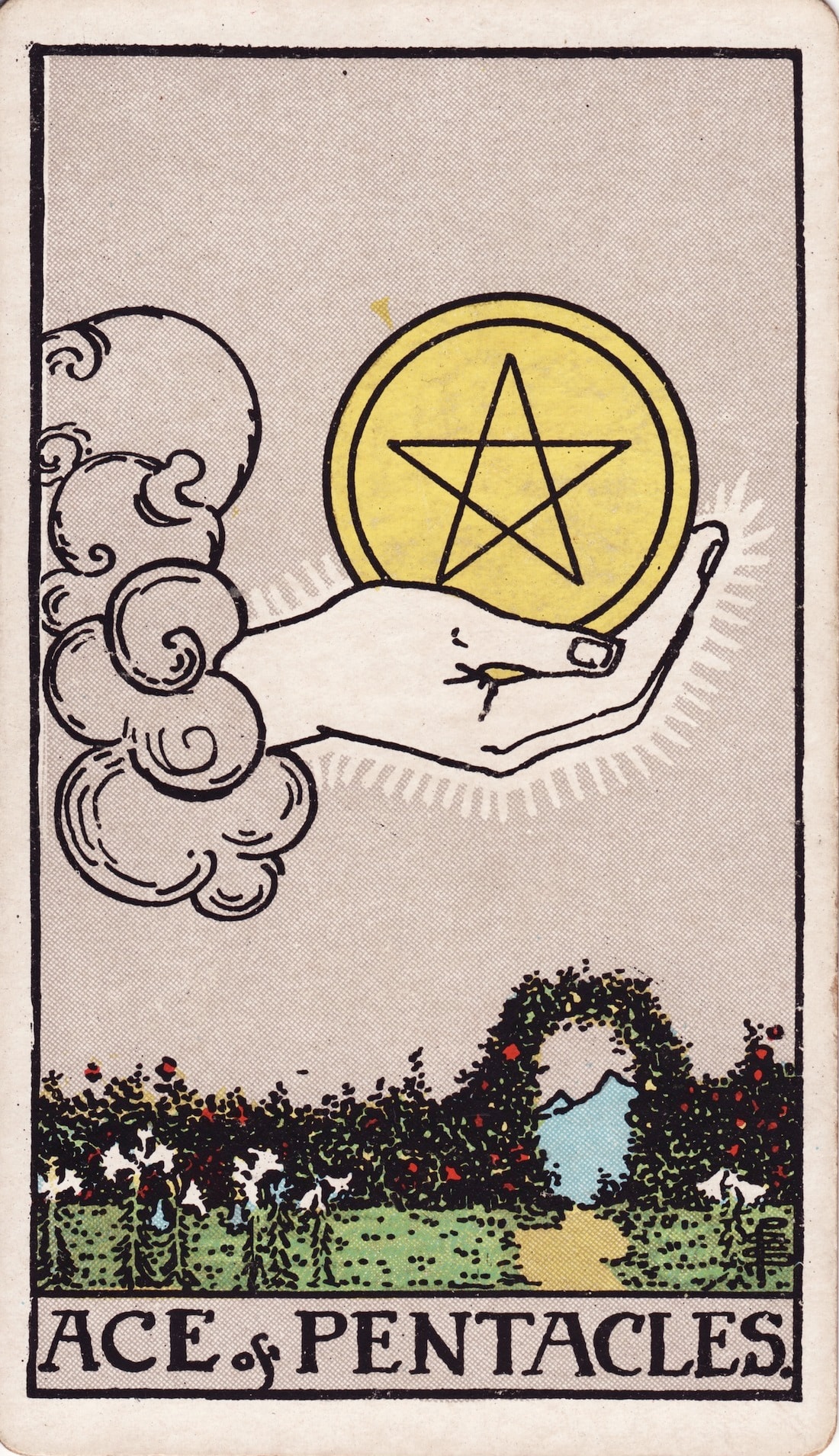
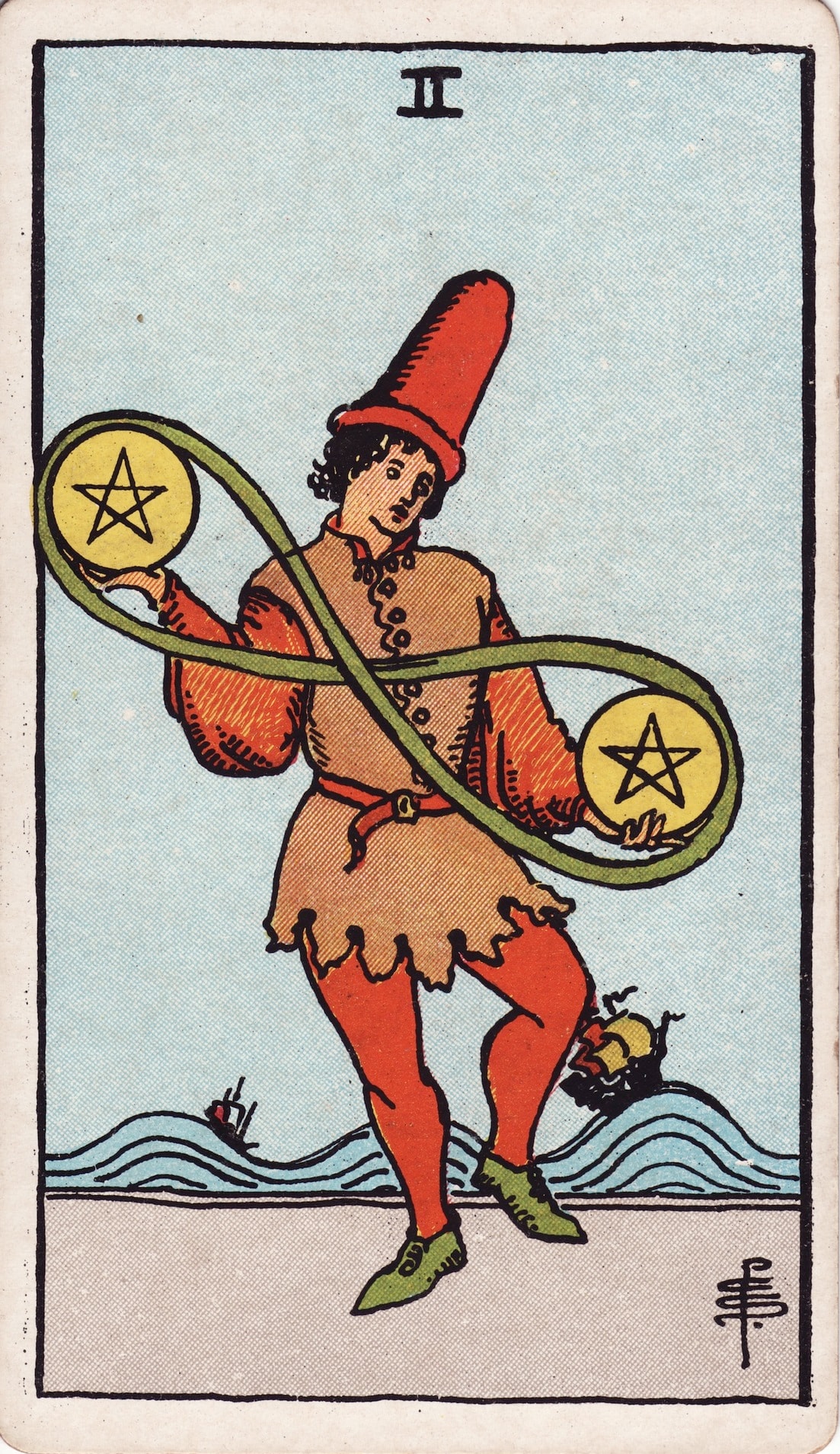
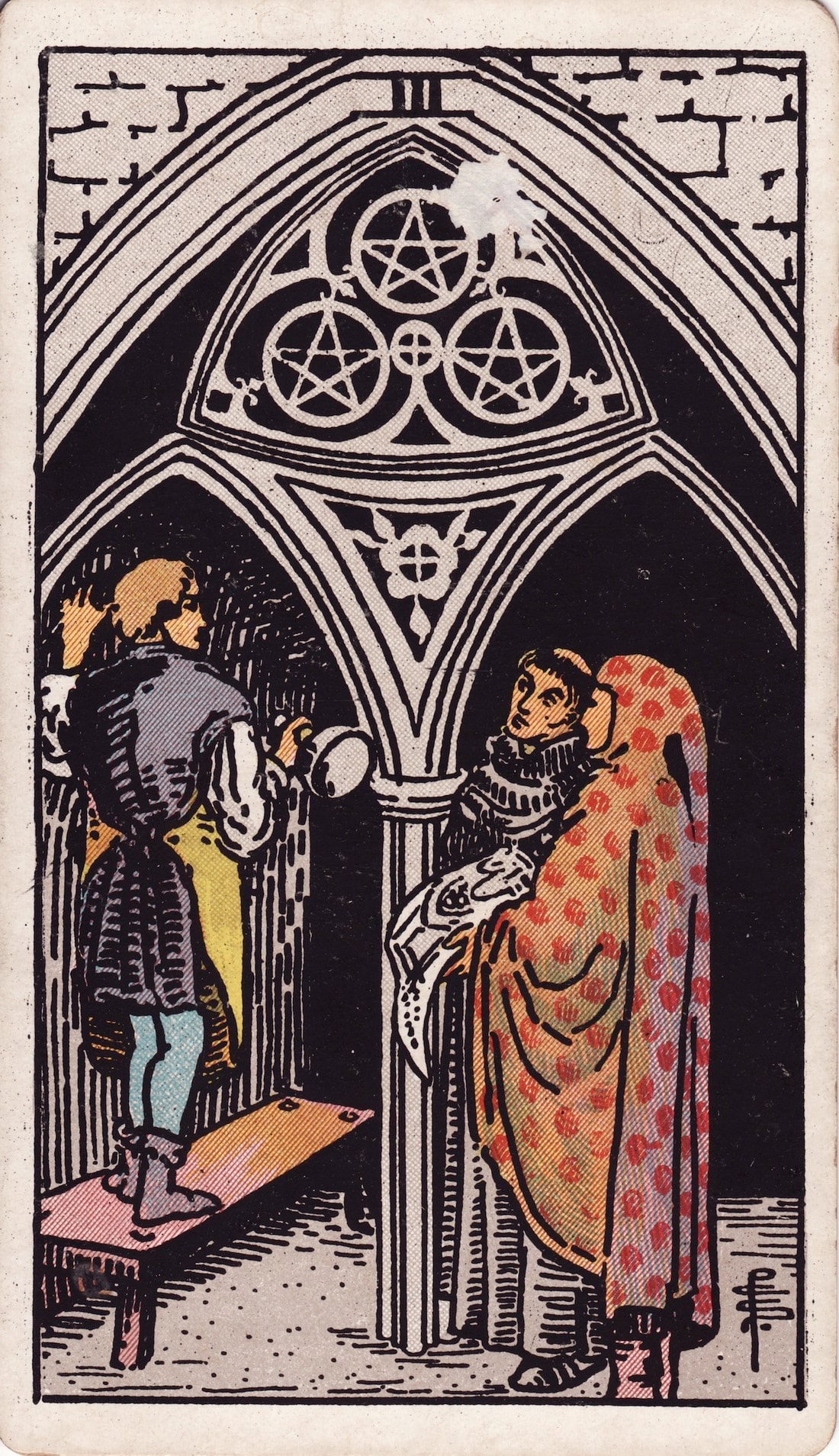
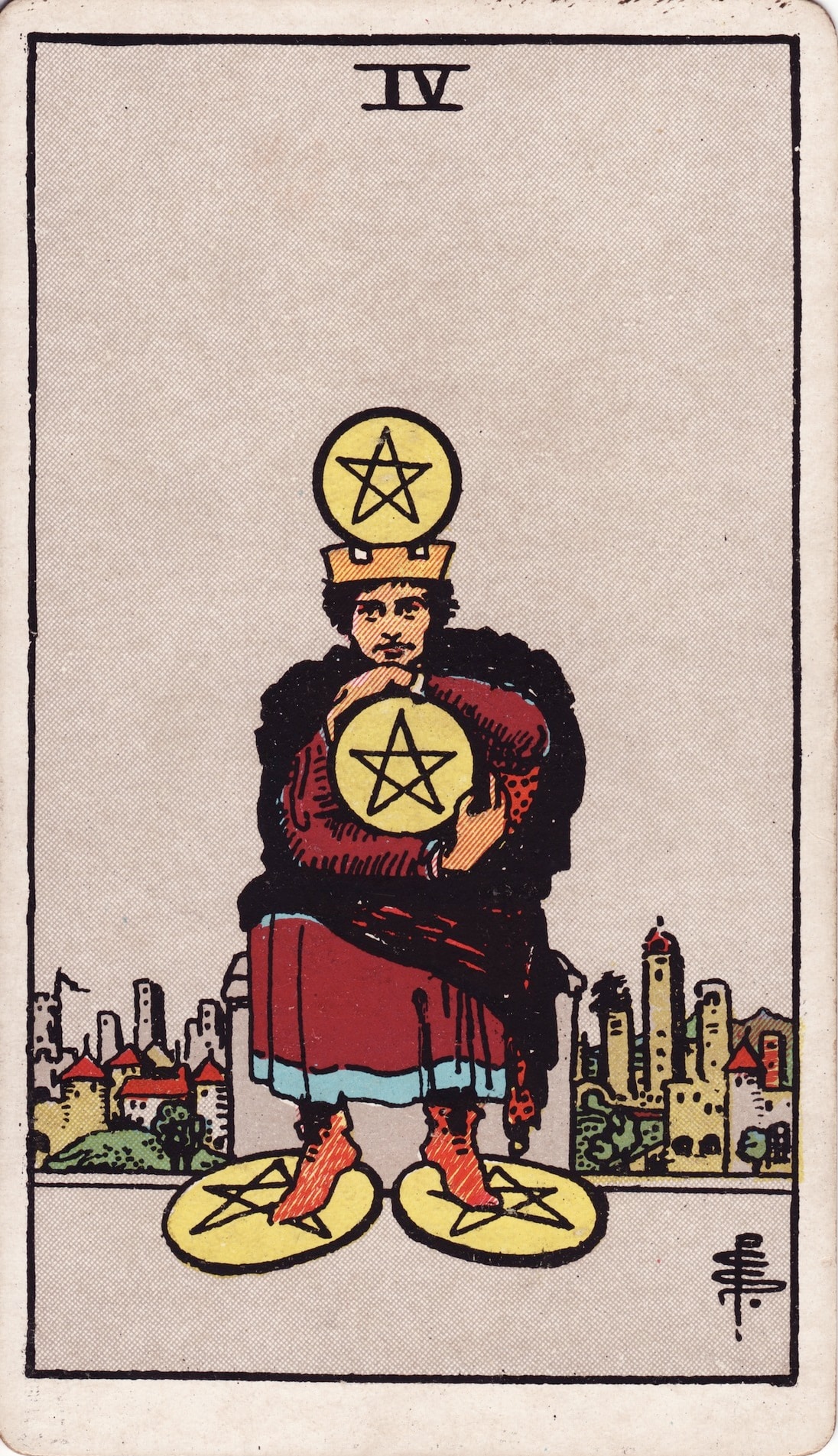
Pamela Colman Smith (1878–1951) was an artist, an illustrator and a writer, and like Waite a member of the Golden Dawn. She drew every card. Waite seems to have given her detailed notes mainly for the trumps. Most older decks showed the 56 minor cards as plain patterns of cups, swords, wands or coins. Smith gave them scenes with people in them. Waite notes that every numbered card has figures, “the Aces only excepted”.
The title page credits the plates “from designs by Pamela Colman Smith”. The preface does not name her. It calls her “a lady who has high claims as an artist”.
How this edition works
The text follows the 1911 printing, page for page. We began with the proofread text on Wikisource and checked it against a scan of a 1911 copy. Where the two differ, we follow the 1911 scan, and we list every change on the sources page. Waite’s spelling and punctuation stay as printed, slips included.
Each chapter shows the printed page numbers, and each paragraph has its own link, so you can point to one passage. Each plate links to its card page on this site. You can also download the whole book as an EPUB or as plain text.
The text and the plates are in the public domain in the US, the UK and the EU. Our transcription is free to reuse under CC0.
How to cite
Give the printed page number. It is the same in any copy of the 1911 printing and in the 1922 Rider reprint.
Plain: A. E. Waite, The Pictorial Key to the Tarot (London: William Rider & Son, 1911), p. 72. Online at theimaginalis.com.
Chicago: Waite, Arthur Edward. The Pictorial Key to the Tarot. London: William Rider & Son, 1911. Transcribed by Imaginalis. https://theimaginalis.com/library/pictorial-key-to-the-tarot/.
Sources
- Waite, The Pictorial Key to the Tarot (1911), this edition: title page (p. iii); Preface, pp. vi–ix (“belong in themselves to another region”, “rescued”, “the little treatise”, “a lady who has high claims as an artist”, “a fact in the history of the Tarot”); Part III, p. 168 (“the Aces only excepted”); § 7, pp. 299–305.
- “The Pictorial Key to the Tarot”, Wikipedia (released 1910, dated 1911; three parts; the Egyptian origin dismissed; the Celtic Cross), citing the House of White Tarot Museum & Research Library: https://en.wikipedia.org/wiki/The_Pictorial_Key_to_the_Tarot
- “A. E. Waite”, Wikipedia (dates; London; Golden Dawn from 1891): https://en.wikipedia.org/wiki/A._E._Waite
- “Pamela Colman Smith”, Wikipedia (dates; Golden Dawn from 1901; deck published by Rider in December 1909 with The Key to the Tarot; Waite’s instructions mainly for the trumps; the minor cards as scenes): https://en.wikipedia.org/wiki/Pamela_Colman_Smith
- Wikisource transcription: https://en.wikisource.org/wiki/The_Pictorial_Key_to_the_Tarot
- 1911 scan, Bibliotheca Philosophica Hermetica (Embassy of the Free Mind), via Source Library: https://kloss.sourcelibrary.org/book/69c883ef6c6f3cc53c85987e
- Public domain rules (published before 1931 in the US; life plus 70 years in the UK and the EU): Cornell University Library, “Copyright Term and the Public Domain”: https://guides.library.cornell.edu/copyright/publicdomain
Contents
- Title Pagepp. i–iv
- Prefacepp. v–x
- The Contentspp. xi–xii
- Introductory and Generalpp. 1–11
- Trumps Major, Otherwise Greater Arcanapp. 12–31
- The Four Suits, Otherwise Lesser Arcanapp. 31–33
- The Tarot in Historypp. 34–56
- The Tarot and Secret Traditionpp. 57–71
- The Trumps Major and Their Inner Symbolismpp. 72–159
- Conclusion as to the Greater Keyspp. 160–162
- Distinction between the Greater and Lesser Arcanapp. 163–169
- The Suit of Wandspp. 170–197
- The Suit of Cupspp. 198–225
- The Suit of Swordspp. 226–253
- The Suit of Pentaclespp. 254–282
- The Greater Arcana and Their Divinatory Meaningspp. 283–287
- Some Additional Meanings of the Lesser Arcanapp. 288–294
- The Recurrence of Cards in Dealingpp. 295–297
- The Art of Tarot Divinationp. 298
- An Ancient Celtic Method of Divinationpp. 299–305
- An Alternative Method of Reading the Tarot Cardspp. 306–312
- The Method of Reading by Means of Thirty-five Cardspp. 313–316
- Bibliographypp. 317–340
Cards in this book